Ceramides: The Ingredient Your Skin Barrier Is Begging For
If your skin is sensitive, dry, reactive, or struggling with barrier compromise, ceramides are not optional—they're essential. Ceramides are the most abundant lipid class in your skin barrier's intercellular matrix, functioning as the mortar between skin cells that creates impermeability and prevents moisture loss. Without adequate ceramides, your barrier fails, leading to sensitivity, inflammation, breakouts, and accelerated skin aging. The confusion surrounding ceramides stems from marketing hype, but the science is clear: a healthy barrier cannot function without ceramides. They're not hydrating (that's a humectant's job), and they're not occlusive (that's an oil's function)—they're structural. Ceramides rebuild the physical architecture of your barrier, sealing moisture inside and blocking irritants outside. For anyone committed to genuine skin health over complexity, understanding ceramides and choosing products with meaningful ceramide content transforms barrier function and restores skin resilience. This is why they appear in every effective barrier-supporting product, from sunscreens to serums to the most basic moisturizers.
What Exactly Are Ceramides and Why Does Your Skin Need Them?
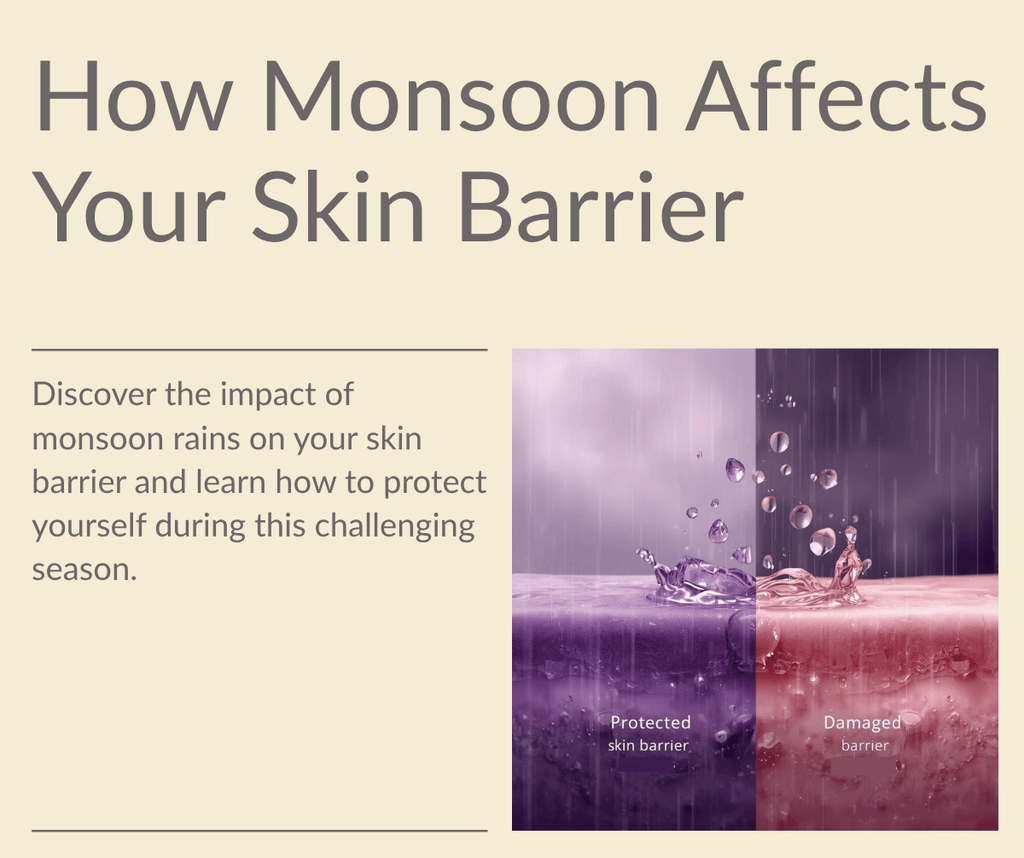
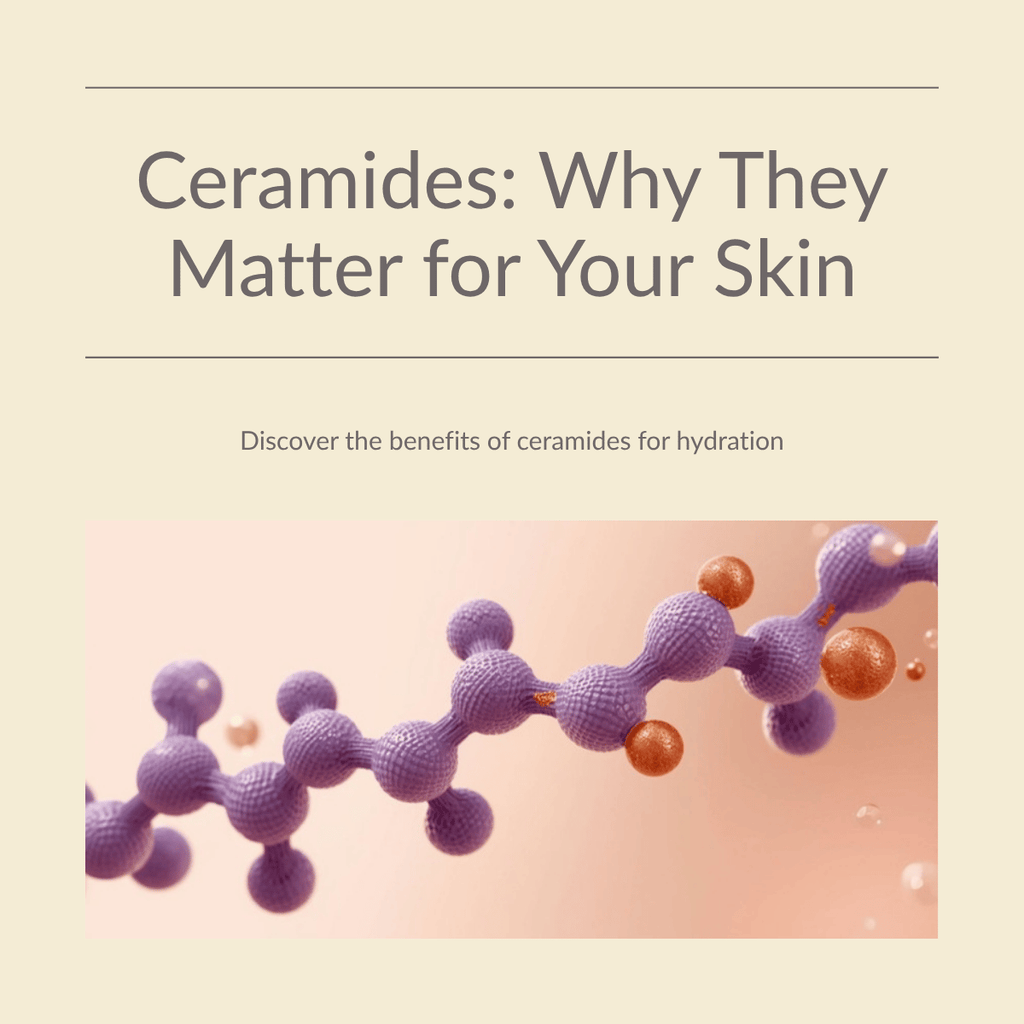
Ceramides are lipid molecules composed of a sphingoid base (typically sphinganine or dihydrosphingosine) attached to a long-chain fatty acid. This chemical structure allows them to integrate directly into your skin's intercellular lipid matrix, the microscopic space between skin cells that acts as your barrier's infrastructure. Think of your skin barrier as a brick wall: the skin cells are the bricks, and ceramides are the mortar holding them together. Without adequate mortar, bricks can separate, gaps form, and the wall's integrity fails.
Your skin naturally produces ceramides, and you're born with sufficient amounts. However, multiple factors deplete ceramide levels: aging (ceramide production decreases by up to 30% after age 40), sun damage, harsh cleansing, environmental stress, and certain skin conditions like eczema and acne. Once depleted, your barrier cannot regenerate ceramides quickly enough to match the depletion rate, leading to the cascade of barrier-compromised skin issues that affect millions.
The specific types of ceramides matter. There are at least nine different ceramides (labeled Ceramide 1 through 9), each playing slightly different roles in barrier function. The three most important for skincare are Ceramide 1 (which stabilizes barrier structure), Ceramide 3 (which maintains barrier function), and Ceramide 6 (which supports lamellar structure). Products labeled with "Ceramide NP" (Ceramide 3), "Ceramide AP" (Ceramide 6), or "Ceramide EOP" (Ceramide 1) contain chemically identical ceramides to those your skin produces naturally, making them maximally effective.
How Do Ceramides Actually Repair a Compromised Barrier?
Barrier repair with ceramides involves a process called "intercalation"—the ceramides integrate into the gaps and disruptions in your existing lipid matrix, filling spaces where ceramides have been depleted. When you apply a ceramide-containing product, the ceramides don't sit on top of your skin; they penetrate and insert themselves into the intercellular space, literally rebuilding the molecular structure of your barrier.
This process isn't instantaneous. Your skin needs consistent, daily exposure to ceramides to gradually restore barrier function. Most people see visible improvements within 2-3 weeks of daily ceramide use: sensitivity decreases, redness fades, skin feels less tight or uncomfortable, and the overall resilience improves. However, full barrier restoration can take 4-6 weeks depending on how severe the initial compromise was.
What makes ceramides unique compared to other barrier-supporting ingredients is that they address the root cause—depleted lipid content—rather than temporarily masking symptoms. Occlusive moisturizers create a temporary seal over a damaged barrier, but ceramides actually repair the barrier itself. This is why products with ceramides continue to improve skin health even after you've used them for extended periods. Your barrier isn't becoming dependent; it's actually becoming stronger and more self-sufficient.
The repair process is most effective when ceramides are paired with complementary lipids like cholesterol and fatty acids, which together comprise the skin barrier's natural lipid composition (ceramides 50%, cholesterol 25%, fatty acids 25%). Products that include all three components are more effective than those containing ceramides alone.
Do You Need Ceramides if Your Skin Isn't Visibly Damaged?
Yes. Even if you're not experiencing obvious barrier compromise—redness, sensitivity, or dryness—your barrier is likely experiencing subtle depletion, especially if you're exposed to environmental stressors (pollution, sun damage, climate extremes) or using any active ingredients (retinoids, acids, vitamin C). By age 25, your ceramide production has already begun declining, and the process accelerates with each year and each environmental assault.
Think of ceramides as preventative infrastructure maintenance. You don't wait for your roof to leak before reinforcing it; you maintain it proactively. The same principle applies to your barrier. Using ceramide-containing products even when your skin appears healthy prevents the barrier compromise that would otherwise develop over time. This is especially critical if you live in India's diverse climates, where humidity, heat, pollution, and sun exposure constantly challenge barrier integrity.
Even people with oily skin benefit from ceramides—oil production doesn't correlate with healthy barrier function. You can be oily yet dehydrated with a compromised barrier. Ceramides strengthen barrier function without adding heaviness or greasiness, making them appropriate for all skin types.
Can Ceramides Cause Breakouts or Congestion?
No. Ceramides are the least likely skincare ingredient to cause breakouts because they're physiologically identical to ceramides your skin already contains. They're not occlusive; they're structural. The confusion arises because people often apply ceramides in heavy creams or moisturizers that can be occlusive, and then blame ceramides for the congestion. The ceramides themselves are innocent—the problem is the vehicle delivering them.
High-quality ceramide products are formulated to deliver ceramides without excess occlusion. A ceramide-rich sunscreen, for example, provides robust ceramide content while remaining lightweight and non-comedogenic. Similarly, lightweight ceramide serums deliver barrier support without the heaviness of traditional creams. If you've had bad experiences with ceramide creams, the issue was likely the formulation, not the ceramides.
In fact, ceramides can help with breakout-prone skin by strengthening the barrier. A compromised barrier allows bacteria and irritants deeper access to skin layers, triggering or exacerbating acne. By restoring barrier integrity, ceramides reduce inflammation and create an environment less favorable for acne-causing bacteria. This is why dermatologists recommend ceramide products for acne-prone individuals—not to moisturize, but to restore barrier function and reduce inflammation.
What's the Difference Between Ceramides and Moisturizers?
This is one of the most important distinctions in skincare science, yet it's constantly confused. A moisturizer and a ceramide product serve completely different functions, and conflating them creates unrealistic expectations and poor product selection.
Moisturizers are designed to add water to your skin and often contain humectants (ingredients like glycerin and hyaluronic acid) that draw moisture from the environment into your skin. Humectants work best in humid environments; in dry conditions, they can actually pull moisture from deeper skin layers, potentially worsening dehydration.
Ceramides don't hydrate—they seal. They prevent your skin from losing the moisture it already has (transepidermal water loss, or TEWL). This is fundamentally different from adding moisture. Your skin could be perfectly hydrated from drinking water, applying a hydrating serum, or living in humid conditions, but if your barrier is compromised and ceramide-depleted, you'll still experience dryness and sensitivity because moisture is escaping.
Optimal barrier function requires both: hydration (water delivered through humectants or environment) plus sealing (lipids delivered through ceramides and other barrier-supporting lipids). Using only a humectant moisturizer without ceramide support is like trying to fill a bucket with a hole in the bottom—you can add water all day, but it keeps leaking out. Conversely, using only ceramides without any hydration is like sealing an already-dry bucket. You need both.
How Much Ceramide Content Is Actually Effective?
This is where marketing becomes deceptive. Many products claim to be "ceramide-infused" or "ceramide-enriched" while containing negligible amounts. Effective ceramide products should contain ceramides as a significant component of the formula—typically in the top five ingredients listed. If ceramides appear near the end of the ingredient list, the concentration is likely too low to provide meaningful barrier support.
There is no universally established ideal ceramide concentration for skincare products, as efficacy depends heavily on formulation design and delivery system. Some effective products use relatively low ceramide concentrations within well-designed delivery vehicles. The challenge is that manufacturers rarely disclose exact concentrations, so you must evaluate based on ingredient listing position. The higher up ceramides appear in the ingredient list, the more concentrated they are.
Additionally, some formulas use multiple types of ceramides (Ceramide 1, 3, and 6) in combination, which is more effective than single-ceramide formulas. This multi-ceramide approach mirrors your skin's natural lipid composition more accurately and provides more comprehensive barrier support.
Should Ceramides Be Your Only Barrier-Supporting Ingredient?
Ceramides are critical, but they're most effective when paired with complementary ingredients that support barrier function in different ways. Phospholipids, for example, are critical components of cell membranes and work synergistically with ceramides to strengthen barrier structure. Cholesterol provides additional barrier lipid content. Niacinamide (vitamin B3) supports barrier function by reducing sebum production and strengthening the barrier's natural moisture-retention mechanisms.
Hyaluronic acid (a humectant) pairs beautifully with ceramides: the hyaluronic acid provides hydration, while ceramides seal it in. This combination creates robust barrier support without requiring occlusive ingredients. For dry or sensitive skin, using a ceramide-rich serum or sunscreen followed by a lightweight humectant-based moisturizer provides comprehensive, multi-layered barrier support.
The most effective barrier-repair approach uses ceramides as the foundation and layers additional barrier-supporting ingredients based on your specific needs. However, if you could only choose one barrier-supporting ingredient, ceramides would be the non-negotiable choice.
UNTAM3D's Ceramide-Powered Protection
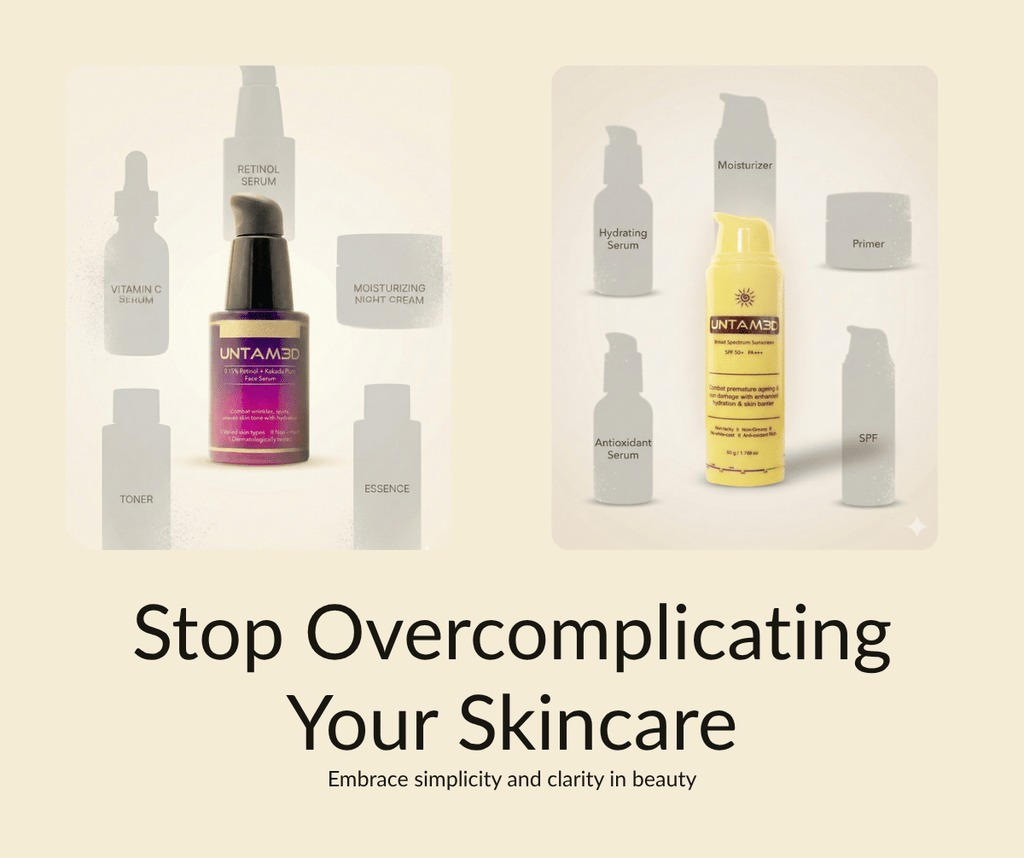
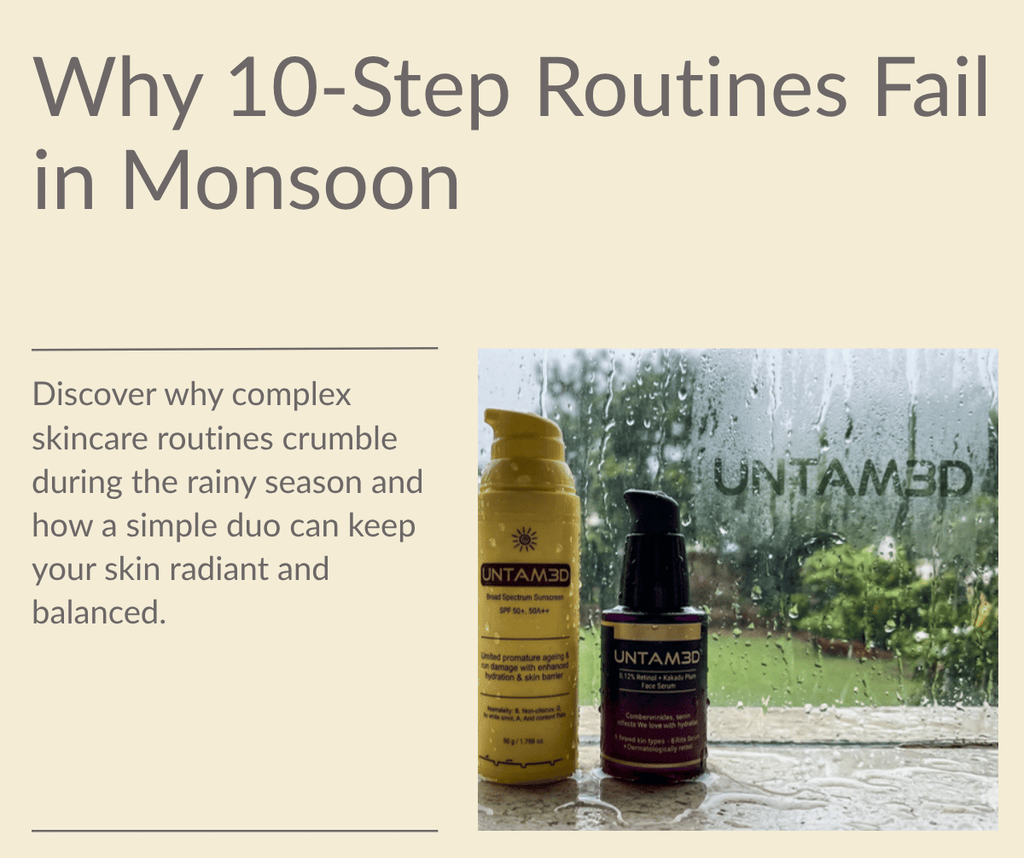
UNTAM3D's Broad Spectrum Sunscreen SPF 50+ PA+++ (₹999, IN STOCK) is formulated with ceramides and phospholipids as core barrier-supporting components, not afterthoughts. While protecting against UV and blue light, the ceramides actively strengthen your skin barrier, making it an investment in both immediate protection and long-term barrier health. This is what anti-routine skincare means: one product that serves multiple purposes through intelligent formulation, not accumulation.
Apply daily to reinforce your barrier while protecting against environmental stressors. The ceramide-phospholipid blend means your barrier strengthens with every application, addressing India's diverse climates and seasonal challenges.
Strengthen Your Barrier NowCan You Use Ceramides Alongside Actives Like Retinol?
Yes, and in fact, using ceramides alongside actives like retinol is highly recommended. Retinoids accelerate skin cell turnover, which can temporarily stress your barrier. Using a ceramide-rich product alongside your retinoid ensures your barrier has the support it needs to handle the cellular turnover without becoming compromised. Many dermatologists recommend ceramide creams or serums as a buffer when starting retinoid therapy.
The best approach is to apply your retinoid as directed, then follow with a ceramide-rich moisturizer to provide barrier support. Alternatively, use a ceramide-containing moisturizer on alternating nights to give your barrier recovery time between retinoid applications. This layering strategy allows you to use effective actives while maintaining barrier health.
If your barrier is already compromised or if you're new to retinoids, prioritize ceramide use before introducing retinoids. A strong barrier can handle retinoid stress; a weakened barrier cannot.
How Do You Know If You're Getting Enough Ceramides?
Your skin will tell you. Signs that you're receiving adequate ceramide support include: reduced sensitivity and stinging, decreased redness, improved skin texture, fewer breakouts, less tightness or discomfort, and overall improved skin resilience. You might also notice that your skin feels more supple and bouncy, as if it's been restored to full structural integrity.
Conversely, if you're using a product claiming ceramides but seeing no improvement in barrier function after 3-4 weeks, either the ceramide concentration is too low or the formula isn't optimized for absorption. Switch to a different ceramide product rather than assuming ceramides don't work for you—they likely will once you find a properly formulated product.
Most people reach optimal barrier support with consistent daily use of one ceramide-rich product. You don't need multiple ceramide products; one well-formulated option (like a ceramide-rich sunscreen) is sufficient for comprehensive barrier maintenance.
FAQ Schema
Sources & References
- Bouwstra, J. A., & Ponec, M. (2006). The skin barrier in healthy and diseased state. Biochimica et Biophysica Acta, 1758(12), 2080-2095.
- Blume-Peytavi, U., et al. (2016). Skin barrier function and related measures. Journal of the European Academy of Dermatology and Venereology, 30(S4), 15-25.
- Mukherjee, S., et al. (2006). Retinoids in the treatment of skin aging. Journal of the American Academy of Dermatology, 55(1), 1-19.
- Draelos, Z. D. (2017). The science of ceramides and skin barrier repair. Cutis, 100(Suppl 1), 5-9.
- Fluhr, J. W., et al. (2004). Glycerol and urea in cosmetic hydration products. American Journal of Clinical Dermatology, 5(6), 431-440.
- International Journal of Dermatology studies on ceramide bioavailability in topical formulations.