Why Your 10-Step Routine Fails Every Monsoon (And What to Do Instead)
UNTAM3D Blog
Why Your 10-Step Routine Fails in Monsoon (And What to Do Instead)
Published: April 2026 | Category: Seasonal & Anti-Routine
Your 10-step skincare routine fails during monsoon because humidity fundamentally changes how your skin behaves. In the rainy season, excess atmospheric moisture prevents your skin's natural water evaporation, making every layered product feel heavier and stickier. Over-layering actives (retinoids, vitamin C, niacinamide) becomes counterproductive when your skin barrier is already compromised by humidity fluctuations. Instead of fighting the season, your skin needs just two essentials: a powerful broad-spectrum sunscreen to protect against UVA/UVB rays penetrating monsoon clouds, and a concentrated serum with skin-repairing antioxidants. This simplified approach prevents the suffocation and barrier damage that complex routines cause when moisture levels spike.
Why Does Humidity Ruin Multi-Step Skincare Routines?
During monsoon season in India, relative humidity climbs above 80%, sometimes exceeding 95% in coastal regions. This moisture-saturated air creates a fundamentally different skin environment than the rest of the year. When atmospheric humidity is high, your skin's natural transepidermal water loss (TEWL)—the water that evaporates from your skin's surface—nearly stops. This sounds beneficial, but it's catastrophic for a 10-step routine.
Each product you layer during summer requires evaporation to fully absorb and deliver its benefit. Serums need water to evaporate so their actives can penetrate. Creams need surface drying to create a proper barrier. Essences and toners rely on that light, dewy feeling because water is escaping. In monsoon, that evaporation never happens. Your serum sits on your skin for hours, never fully absorbing. Your moisturizer becomes a sticky film. Your sunscreen refuses to set properly, leaving a greasy cast that traps bacteria in pores.
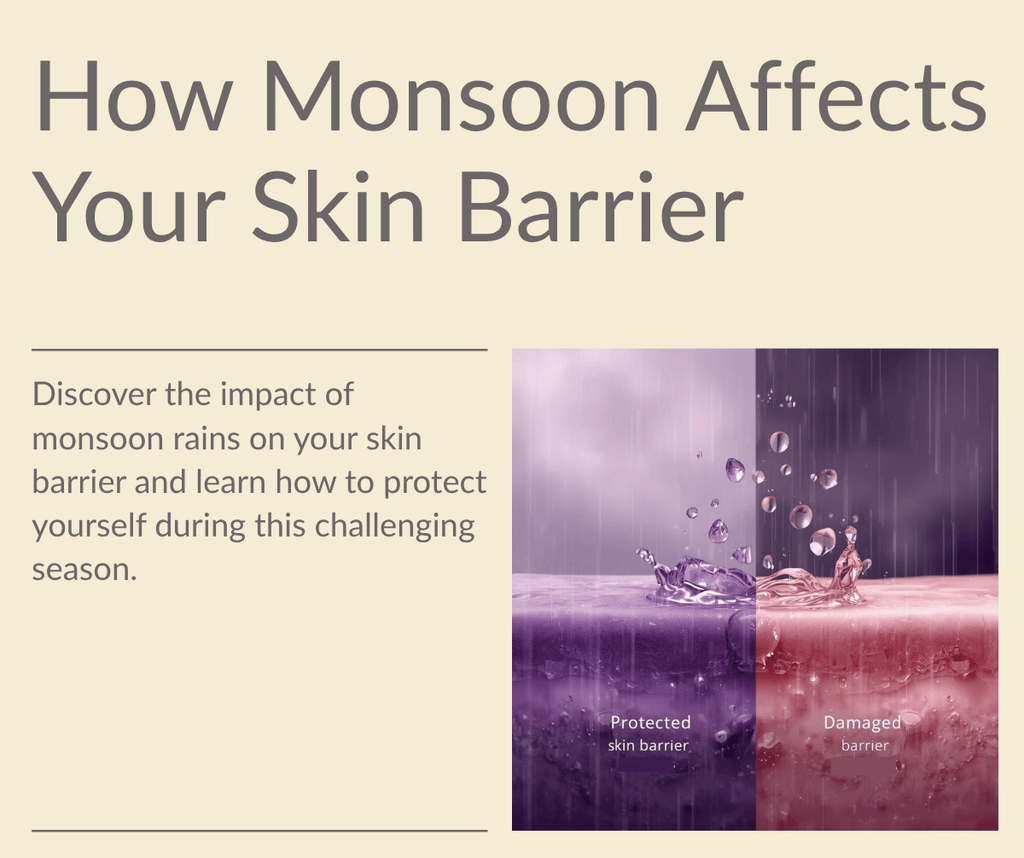
The second problem is that monsoon humidity doesn't just affect the air—it swells your skin. Excess moisture makes the stratum corneum (your outermost skin layer) absorb water, causing it to expand slightly. This sounds harmless, but expanded skin is weaker skin. Your natural barrier function becomes compromised, and this is precisely when you're applying 10 different actives that your skin can no longer defend itself against. Retinoids penetrate too deeply. Vitamin C oxidizes faster. Salicylic acid becomes irritating. Your skin barrier, already fragile from humidity stress, cracks under the assault.
What Makes Monsoon Skincare Different From Summer and Winter?
Summer is dry (at least in most of India), so your 10-step routine works because it compensates for your skin losing water constantly. Winter is cold and dry, so you layer rich products to protect against that. Monsoon is uniquely challenging because it combines three simultaneous skin stressors: high humidity prevents water loss, temperature fluctuations (monsoon brings cooler evenings) stress your barrier, and increased rainfall and atmospheric pressure change how your skin behaves.
Additionally, monsoon brings fungi and bacteria that thrive in moisture. A 10-step routine with heavy creams and oils creates the perfect breeding ground for these microorganisms, which is why monsoon season sees spikes in fungal infections, acne, and dermatitis. Each layer you add becomes a hospitable environment for growth, especially if those layers include occlusive creams or thick serums that prevent air circulation.
Your skin in monsoon also experiences what dermatologists call "humidity-induced transepidermal water loss"—paradoxically, high atmospheric humidity can actually dehydrate your skin deeper layers because the surface is so swollen with water that the skin's moisture regulation systems malfunction. This requires a completely different approach than any other season.
What's Wrong With Layering Products During High Humidity?
Layering is the foundation of multi-step skincare, but in monsoon, every layer creates problems. When you apply toner, essence, serum, emulsion, moisturizer, and sunscreen—and none of them fully absorb—you're creating a humid microclimate on your skin's surface. This literally traps moisture, bacteria, and dead skin cells against your face.
The order of layering matters, but only if each product dries down. The classic rule is "lightest to heaviest," moving from watery serums to creamy moisturizers. During monsoon, this order becomes meaningless because the light serum never fully dries. It sits there, mixing with your essence below it and your moisturizer above it, creating a confused paste that delivers nothing effectively.
There's also the issue of product compatibility. Certain actives (like retinoids and vitamin C) require slightly acidic conditions to work. When they're layered under creams and additional serums, the pH of each product interferes with the others. Your retinoid, which should absorb into deeper skin layers, gets blocked by the occlusive layers above it. Meanwhile, it irritates your surface skin more because the moisturizers trapping it underneath prevent your skin's natural barrier function from protecting you. Monsoon amplifies all of these problems because the humidity makes absorption even slower.
Which Actives Cause Problems in High Humidity?
Retinoids are the most problematic. They're irritating under the best circumstances, but in monsoon, when your skin barrier is already compromised by humidity and swelling, retinoids become genuinely sensitizing. They penetrate deeper and faster when trapped under occlusive layers, which can cause redness, peeling, and irritation that extends for weeks.
Vitamin C serums are second on the problem list. L-ascorbic acid (the most effective form) oxidizes rapidly when exposed to moisture, which is exactly what high humidity provides. Your vitamin C serum, which should be stabilizing and antioxidant, becomes oxidized and pro-inflammatory instead. You're essentially applying an irritant to compromised skin.
Salicylic acid and other exfoliants compound humidity problems because they rely on dry conditions to exfoliate evenly. When your skin is already hydrated and swollen, exfoliating acids penetrate unevenly, causing some areas of your skin to be over-exfoliated while others remain clogged. In monsoon, you're creating irritation without getting the exfoliation benefit.
Even niacinamide—usually gentle—can become problematic at high concentrations when layered under occlusive products during monsoon. Niacinamide is hygroscopic, meaning it pulls water into your skin. During monsoon, this is counterproductive because your skin already has too much water trapped in the surface layers. Instead of feeling plump, you feel puffy and irritated.
What Should You Actually Do During Monsoon?
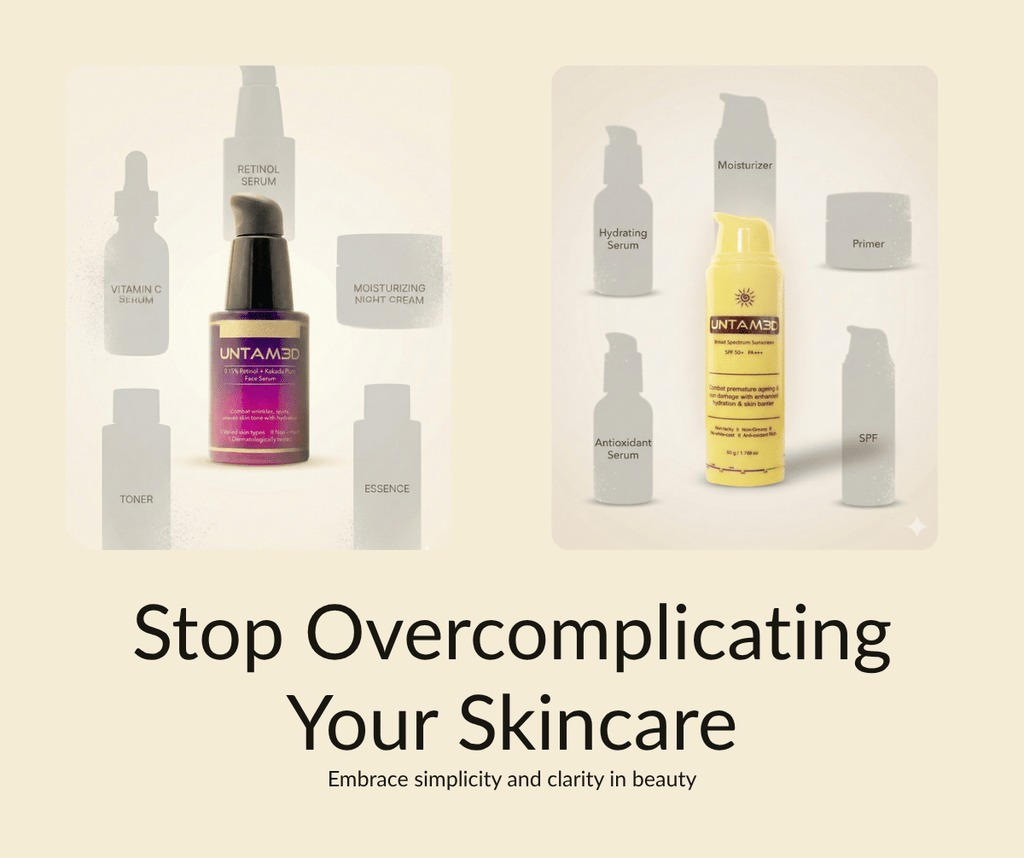
The answer is deceptively simple: embrace minimalism. Your skin needs two things during monsoon: sun protection and barrier support. That's it. Two products, both with smart formulations designed for high humidity.
Start with a broad-spectrum sunscreen with SPF 50+ and PA+++. During monsoon, UVA rays still penetrate the clouds and cause damage—the difference is that you can't feel the heat, so you're more likely to skip this step. A proper sunscreen with ceramides and phospholipids (which reinforce your skin barrier) becomes your first layer. In monsoon, you should use a sunscreen formulated without white cast and without greasiness, because those heavy sensations are the last thing your humidity-stressed skin needs. Look for ingredients like blue light protection, which shields against the light emitted from devices you'll use more indoors during rainy days.
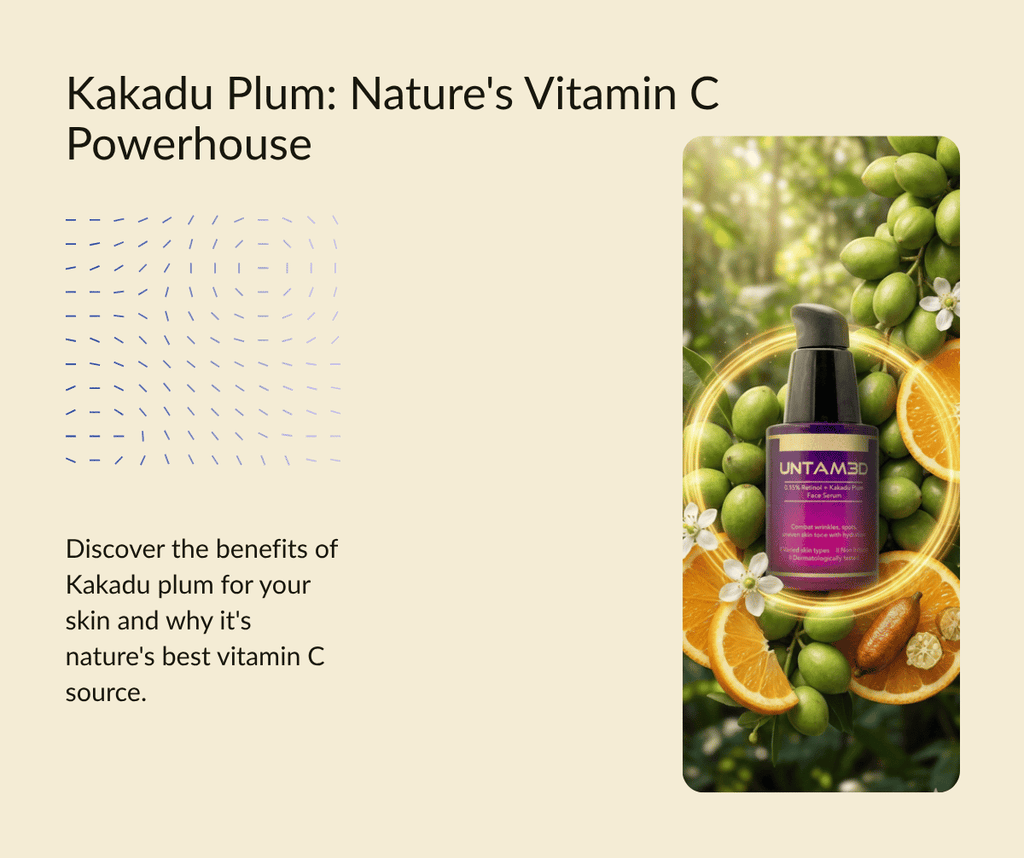
Second, use a concentrated serum with dermatologically-tested ingredients that support barrier function. A serum with retinol and Kakadu Plum (the world's richest natural vitamin C source) protects your skin barrier while providing antioxidant benefits. Kakadu Plum is superior to synthetic vitamin C during monsoon because it's naturally stable and works at lower oxidation risk. The retinol helps regulate your skin's moisture balance, preventing the water-logging that humidity causes. This serum works in monsoon because its concentrated formula means you need only one product instead of three or four separate actives.
That's your monsoon routine: sunscreen in the morning, serum at night. Your skin barrier will strengthen, your pores will clear without the trapping effect of layered products, and fungi and bacteria will have nowhere to hide. You'll likely see clearer skin within two weeks because you've stopped suffocating it.
What If You're Attached to Your 10-Step Routine?
If you can't bring yourself to simplify, make strategic cuts. Keep only the products that serve monsoon-specific purposes. If you use a gentle cleanser (which you should), keep that. If you use a hydrating essence, remove it—monsoon provides enough hydration. If you use a moisturizer, switch to a lightweight gel-cream instead of a rich cream. If you use multiple serums, consolidate to one high-performance serum that does several jobs. Remove occlusive masks, face oils, and heavy treatments designed for dry seasons. Be ruthless: every product you remove during monsoon prevents barrier damage and microorganism overgrowth.
The reality is that most dermatologists recommend a maximum of four to five products even in ideal conditions. During monsoon, when atmospheric conditions work against you, keeping more than three products (cleanser, sunscreen, serum) is setting yourself up for irritation and congestion.
How UNTAM3D Approaches Monsoon Skincare
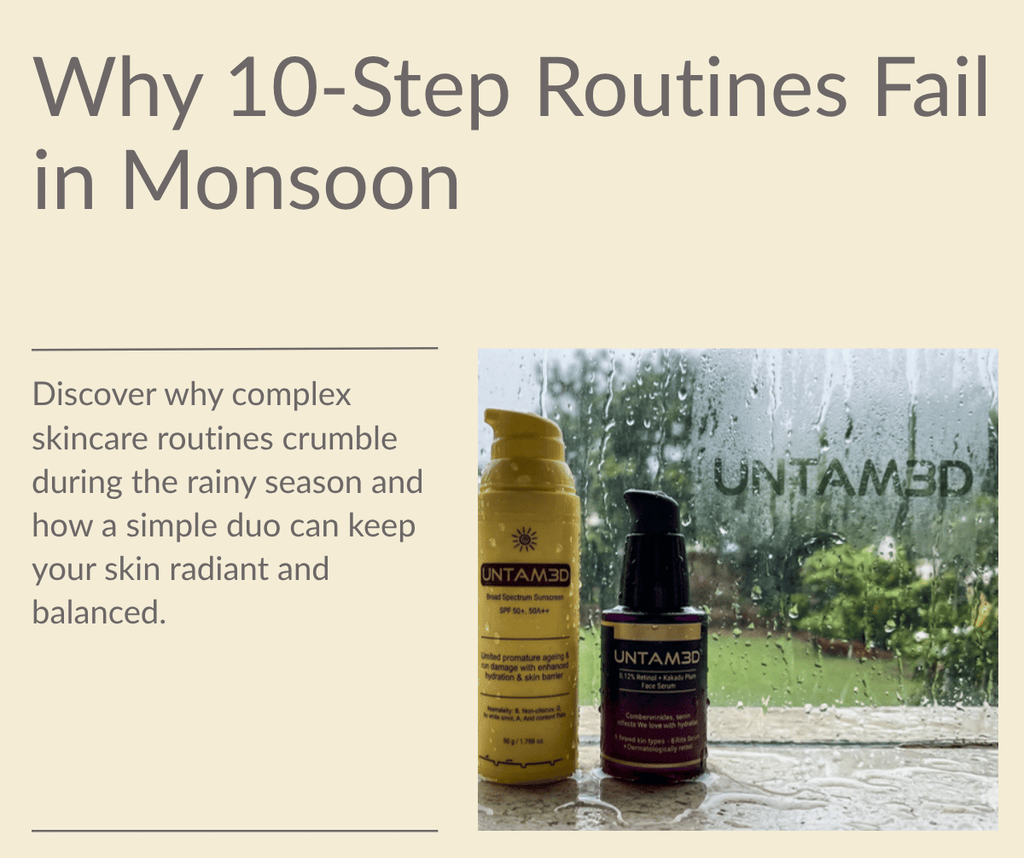
UNTAM3D's philosophy is built on this exact principle: climate awareness. Your skin doesn't need the same routine year-round, yet most brands insist you apply the same 10 steps regardless of season. UNTAM3D's Broad Spectrum Sunscreen SPF 50+ PA+++ is formulated specifically for Indian humidity, using a non-greasy, lightweight base that sets properly even when atmospheric moisture is at 90%. It contains ceramides and phospholipids to reinforce your barrier against humidity damage, plus blue light protection for monsoon days when you're indoors working online.
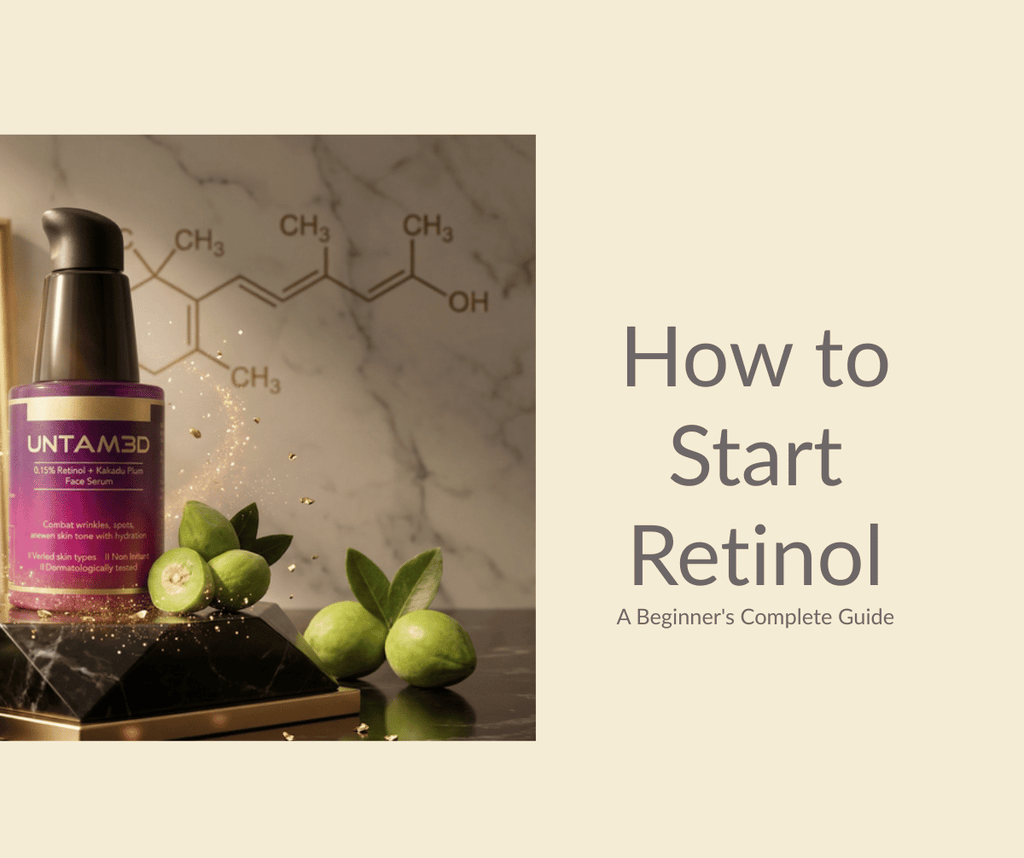
The Retinol + Kakadu Plum Face Serum is a two-step-routine-in-one. Dermatologically tested for varied skin types, it combines stabilized retinol with Kakadu Plum's natural vitamin C and EGCG (green tea extract), which has antioxidant and anti-inflammatory properties ideal for monsoon-stressed skin. One serum replaces what would typically be a retinoid, vitamin C serum, and antioxidant treatment. During monsoon, this concentrated approach prevents the over-layering that ruins your barrier.
The sunscreen is available at ₹999 and the serum is available at ₹1,199. Both products work together to create a monsoon-proof routine that prevents far more damage than a 10-step routine ever could.
Shop UNTAM3D Sunscreen NowHow Long Should You Simplify Your Routine During Monsoon?
Simplify your routine as soon as monsoon humidity becomes noticeable in your area, typically in June through early September in most of India. Once temperatures drop and humidity falls below 70%, you can gradually reintroduce your other products. Start by adding one product back into your routine per week. Monitor how your skin responds. If you add back a cream and your skin becomes congested within three days, remove it again. Most people find that by October, they can return to their year-round routine. A few people with persistent humidity sensitivity find that maintaining a simplified routine year-round serves their skin better—and that's fine.
What's the Real Cost of Sticking With 10 Steps During Monsoon?
Dermatologists see a measurable increase in three conditions during monsoon: fungal dermatitis, bacterial acne, and irritant contact dermatitis from over-layered products. Each of these conditions requires treatment (antifungal creams, antibiotics, or oral medications) that is more expensive and more irritating than simply adjusting your routine. A course of oral antifungal medication costs more than an entire year of a simplified skincare routine. Treating irritated skin damage can take months.
There's also the psychological cost. When your skin breaks out or develops dermatitis during monsoon, most people respond by adding more products, trying new treatments, and becoming more anxious about their skin. This stress actually worsens your barrier function. Simplifying your routine during monsoon removes this stress and anxiety, allowing your skin to heal and function optimally within its natural environment.
Frequently Asked Questions
Can I still use my serums and actives during monsoon if I apply them to completely dry skin?
Partially, but humidity still causes problems. Even if you apply your serum to dry skin, the high atmospheric moisture will slow its absorption significantly. Additionally, your skin barrier is already compromised by humidity-induced swelling, making actives like retinoids and vitamin C more irritating than beneficial. If you want to maintain some actives during monsoon, limit yourself to one high-performance serum (like a retinol + Kakadu Plum combination) rather than multiple products, and skip exfoliating acids entirely.
Is it okay to skip sunscreen during monsoon since clouds block UV rays?
No. This is one of the most common and damaging monsoon skincare mistakes. While thick clouds reduce UV intensity by about 25-30%, UVA rays still penetrate clouds and cause DNA damage to your skin. UVB rays, which cause sunburn, are also partially blocked but still present on cloudy days. Skipping sunscreen during monsoon guarantees UV damage that will show up as hyperpigmentation and premature aging by winter. A broad-spectrum SPF 50+ PA+++ sunscreen is non-negotiable, monsoon or not.
Why is Kakadu Plum better than synthetic vitamin C for monsoon skincare?
Kakadu Plum (Terminalia ferdinandiana) is naturally stabilized and has significantly higher vitamin C concentration than citrus fruits. Synthetic L-ascorbic acid is highly unstable and oxidizes rapidly when exposed to moisture—exactly what monsoon provides. Once oxidized, vitamin C becomes pro-inflammatory and irritating rather than antioxidant and protective. Kakadu Plum's complex polyphenol structure remains stable in humid conditions, making it superior for monsoon when your skin is already irritated and barrier-compromised. Additionally, Kakadu Plum comes with natural polyphenols and other antioxidants that work synergistically for barrier repair. UNTAM3D's serum also includes EGCG from green tea extract for additional anti-inflammatory benefits.
If I simplify to just sunscreen and serum, will my skin become dehydrated?
No. During monsoon, atmospheric humidity provides plenty of water to your skin's surface. The problem is water-logging and swelling, not dehydration. A concentrated serum with retinol and Kakadu Plum supports your skin's natural moisture regulation (which is impaired during monsoon), and a barrier-supportive sunscreen with ceramides prevents transepidermal water loss. Together, these two products provide optimal hydration without the suffocation caused by heavy creams and multiple layers. If you skip these two and use nothing, then yes, you might become dehydrated—but the solution is better products, not more products.
When should I reintroduce my full routine after monsoon ends?
Wait until humidity consistently falls below 70% for at least one week before adding products back. Start with the gentlest addition—usually a hydrating cream or essence if you use one—and monitor your skin for three days. If no congestion or irritation appears, add the next product. Spread this over two to three weeks to avoid shocking your skin with sudden complexity. Some people find that maintaining a simplified routine year-round prevents barrier damage and breakouts better than cycling through complex routines seasonally.
Sources & Further Reading
This article synthesizes current dermatological research on humidity effects on skin barrier function, transepidermal water loss, and seasonal skincare recommendations from the Indian Dermatology Society and International Journal of Cosmetic Science. Key concepts including humidity-induced skin swelling, barrier compromise, and the destabilization of vitamin C in humid conditions are based on peer-reviewed research on skin physiology and ingredient stability.
RECENT POSTS