How to Start Using Retinol Without Destroying Your Skin
Retinol is one of the most scientifically proven anti-aging ingredients available, yet it's widely misused by beginners who either abandon it after experiencing irritation or suffer unnecessary damage from introduction methods that ignore best practices. The fear surrounding retinol is justified—it's potent and demands respect—but understanding retinol's mechanism, adopting a proper introduction protocol, and using correct dosage transforms it from a risky experiment into an effective, skin-building tool. Starting retinol correctly means beginning with the lowest effective concentration, using it only 1-2 times weekly initially, always using it with a barrier-supporting moisturizer or serum, and increasing frequency only after your skin has adapted. The "start low, go slow" philosophy is not overcautious; it's the scientific approach that dermatologists recommend. Most people destroy their skin with retinol not because retinol is inherently harmful, but because they use too much too soon and neglect barrier support. Retinol builds cumulative benefits—you're not chasing results from single applications but building skin resilience and renewal capacity over weeks and months. For Indian skin specifically, which often contends with sun damage and climate-induced barrier stress, a proper retinol introduction provides measurable improvements in texture, tone, and resilience without the suffering that improper introduction creates.
Why Do Beginners Struggle So Much With Retinol?
Retinol works through a process called "retinization," where your skin gradually adapts to the cellular turnover acceleration that retinol triggers. During this adaptation period, visible irritation is common: dryness, flaking, sensitivity, and mild redness. Many beginners interpret these symptoms as signs that retinol is "too strong" or "not right for their skin" and abandon it entirely. In reality, these symptoms are temporary and expected—they indicate that retinol is working, not that something has gone wrong. However, many people use retinol at concentrations and frequencies that make irritation severe enough to damage barrier function, rather than the mild adaptation that's typical with proper introduction.
The second major mistake is skipping barrier support during retinol introduction. Retinol accelerates cell turnover, temporarily disrupting your skin's lipid matrix and barrier function. If you use retinol nightly without buffer moisturizing, your barrier becomes compromised—the irritation escalates beyond typical retinization into actual barrier damage. This creates a negative feedback loop: increased irritation causes you to use even less moisturizer because your skin feels "too hydrated," which further compromises your barrier, leading to more irritation. The solution is counterintuitive: use more barrier support, not less.
The third mistake is overestimating how quickly skin adapts. Full retinization typically takes 8-12 weeks of consistent use, even at low concentrations. Many beginners expect to tolerate nightly application within 2-3 weeks and increase frequency prematurely. This aggressive escalation is exactly how retinol destroys skin. Patience is not just a virtue in retinol use; it's essential to successful outcomes.
What Concentration Should You Start With?
This depends on your baseline skin condition and retinol sensitivity. If your skin is relatively robust with no history of sensitivity, you can start with a 0.3% retinol concentration. If your skin is sensitive, compromised, or prone to irritation, begin with 0.1-0.2% retinol or even retinol esters (which are gentler, though less potent). Some dermatologists recommend starting with retinyl palmitate (a much gentler, but slower-acting form) for extremely sensitive individuals, though this is more cautious than many people require.
The key principle is: you cannot go wrong starting too low, but you absolutely can damage your skin by starting too high. You can always increase concentration in 4-8 week increments as your skin adapts. There's no race to reach high-concentration retinol. Many people achieve excellent results with 0.3-0.5% retinol used consistently, without ever needing prescription-strength retinoids. The benefit of slow progression is that your skin builds adaptation gradually, and you never experience the severe irritation that causes barrier damage.
Be wary of marketing language that uses percentages without context. A 1% retinol concentration is moderately potent, but marketing often obscures this through vague terminology like "advanced retinol" or "retinol complex." Always check the actual retinol percentage listed in the ingredient composition.
How Often Should You Use Retinol Initially?
Start with one application per week. Yes, one. Not three times weekly, not twice weekly—one application. Apply your retinol-containing product once per week for two weeks, then evaluate your skin's response. If your skin shows minimal irritation (light flaking, slight dryness, no redness), progress to twice weekly. If irritation is moderate (notable flaking, sensitivity to other products, mild redness), stay at once weekly for another two weeks before progressing. If irritation is severe (persistent redness, burning, active barrier compromise), reduce frequency to every ten days or every two weeks and use less product per application.
This conservative schedule feels slow, but it's the appropriate introduction pace for your skin to adapt without barrier damage. After 4-6 weeks at twice weekly, progress to three times weekly. After another 4-6 weeks at three times weekly, you might move to four times weekly. Only very experienced retinol users and those with highly resilient skin should use retinol nightly, and even then, alternating nights is often better than daily application.
The fundamental principle is: skin cell turnover takes time, and retinization (your skin's adaptation to retinol) requires consistent but not overwhelming exposure. Your skin doesn't adapt faster with more frequent applications; it just becomes more irritated. Consistency over months beats intensity over weeks.
Do You Need Barrier Support While Using Retinol?
Absolutely, and this is the most critical component of safe retinol use. Retinol accelerates cell turnover, which temporarily stresses your barrier. Without additional barrier support, this stress becomes barrier damage. The solution is using a ceramide-rich, barrier-supporting moisturizer alongside your retinol product. Ideally, apply your retinol, wait 5-10 minutes for it to absorb, then apply a moisturizer with ceramides and phospholipids to reinforce your barrier and provide a buffer against irritation.
Some people practice "sandwich method" retinol application: apply moisturizer first, then retinol, then another layer of moisturizer. This reduces retinol potency slightly (because the barrier-supporting ingredients can reduce absorption), but for extremely sensitive individuals or those experiencing severe irritation, this method allows continued retinol use without barrier damage. It's a valid approach for beginners who want maximum barrier support.
The "moisturizing after retinol" step is not optional or situational; it's mandatory. Every single retinol application should be followed by barrier-supporting moisturization. If your skin doesn't tolerate this approach—if applying moisturizer after retinol causes congestion or breakouts—the issue is likely the specific moisturizer formulation, not the concept. Switch to a different, non-comedogenic barrier-supporting moisturizer rather than skipping this essential step.
What About Combining Retinol With Other Actives?
During retinol introduction, avoid using other strong actives like acids (AHAs, BHAs), vitamin C serums, or niacinamide in high concentrations. These actives work similarly to retinol (they accelerate turnover or increase sensitivity), and combining them escalates irritation unnecessarily. This doesn't mean you can never use these ingredients with retinol, but during the introduction phase (your first 8-12 weeks), simplify your routine to retinol plus gentle essentials only.
After retinization is complete and your skin is tolerating retinol well, you can introduce other actives—but not simultaneously. Instead, introduce them sequentially. For example, after you're comfortable with retinol 3+ times weekly, you might add a gentle AHA or BHA once weekly on a non-retinol night. Never use actives on the same night as retinol during introduction. Your skin is already adapting to one stressor; adding multiple stressors prevents adaptation and causes barrier damage.
Sunscreen is essential every day you use retinol, but it's not a competing "active"—it's protective and necessary. Retinol increases photosensitivity, meaning your skin is more susceptible to UV damage. Daily broad-spectrum SPF 50+ sunscreen is non-negotiable when using retinol.
Should You Use Retinol Day or Night?
Retinol should be used exclusively at night. Never use retinol in the morning or throughout the day. Retinol is photolabile, meaning it breaks down when exposed to UV light, reducing efficacy. Additionally, retinol increases photosensitivity and sun damage risk, making daytime use potentially harmful. Night application allows retinol to work without UV interference and gives your skin recovery time before the next day's environmental stressors.
Apply retinol 1-2 hours after cleansing, when your skin's pH has returned to baseline. Applying immediately after washing can increase irritation because your skin is still in an altered state. Allow cleansing products to fully rinse away and your skin to stabilize before retinol application.
Avoid retinol application on consecutive nights during introduction phases. Always include at least one non-retinol night between applications initially. This allows your barrier to recover and your skin to begin the adaptation process without constant cellular disruption.
What Should Your Retinol Introduction Timeline Look Like?
Here's a practical 12-week timeline for safe retinol introduction with 0.3% retinol concentration:
Weeks 1-2: One application per week. Apply retinol on the same night each week (e.g., Tuesday night). Follow with ceramide-rich moisturizer. Evaluate irritation level. If minimal, progress. If moderate or severe, extend this phase another 2 weeks.
Weeks 3-6: Twice weekly (e.g., Tuesday and Friday nights). Maintain barrier-supporting moisturization. Continue daily SPF 50+ sunscreen. Assess skin adaptation. If you experience persistent redness, irritation, or barrier compromise, return to once weekly and extend this phase.
Weeks 7-10: Three times weekly. Introduce the third application night after confirming tolerance at twice weekly. Continue barrier support and sunscreen. Many people remain at this frequency indefinitely—three times weekly is effective and allows adequate recovery between applications.
Weeks 11-12: Four times weekly if desired and tolerated. However, this progression is optional. If your skin is thriving at three times weekly, maintain that frequency. More frequent application doesn't equal better results; consistency does.
After 12 weeks: Reassess your skin's needs. Is irritation minimal? Is your skin showing improved texture and tone? If yes, you can remain at your current frequency or gradually increase toward five times weekly. Most people achieve excellent results at three to four times weekly and don't need to progress further.
What Symptoms Indicate You Should Slow Down?
Typical retinization includes light flaking, mild dryness, and subtle sensitivity. These are expected and not concerning if they're mild. However, certain symptoms indicate you should reduce frequency or concentration immediately: persistent redness that doesn't fade, burning sensation during or after application, active barrier compromise (stinging when applying moisturizers or other products), visible irritation or a "raw" appearance, swelling or significant sensitivity, or breakouts that weren't previously present.
If you experience any of these severe symptoms, reduce frequency immediately. Drop from three times weekly back to twice weekly, or from twice weekly back to once weekly. If irritation persists at your reduced frequency, switch to a lower concentration (0.1-0.2%) or pause retinol entirely for 2-3 weeks to allow your barrier to recover fully. This is not failure; this is appropriate response to your skin's feedback. Pushing through severe irritation only creates barrier damage that takes months to repair.
Mild flaking and temporary dryness are entirely normal and not concerning. Use extra barrier support (additional moisturizer layers, especially at night), increase hydration by drinking water, and avoid additional irritating products. These symptoms typically resolve within 2-4 weeks as your skin adapts.
Can You Use Retinol If You Have Sensitive or Compromised Skin?
With care, many people with sensitive skin can use retinol, though it requires extra caution. Note: UNTAM3D's serum is formulated for normal, oily, dry, and combination skin. Those with sensitive or highly reactive skin should consult a dermatologist before starting retinol. If proceeding, start with a lower concentration (0.1-0.2% rather than 0.3%) and an even more conservative introduction schedule (once every two weeks for the first month). Provide maximum barrier support—use the sandwich method, apply extra moisturizing layers, consider using ceramide serums alongside your moisturizer, and be absolutely strict about daily SPF protection.
If your skin is currently experiencing barrier compromise (active dermatitis, severe sensitivity, persistent redness), pause retinol introduction entirely until your barrier has recovered. You cannot successfully introduce retinol to already-compromised skin. Repair your barrier first through consistent use of ceramide-rich products and gentle skincare, then begin retinol introduction 4-6 weeks after barrier recovery is complete. This delay is worth it—you'll have far greater success introducing retinol to healthy skin than to compromised skin.
People with rosacea, severe eczema, or active dermatitis should consult a dermatologist before beginning retinol. While retinol can eventually improve these conditions, introduction requires careful management and potentially even professional supervision.
UNTAM3D's Retinol Support System
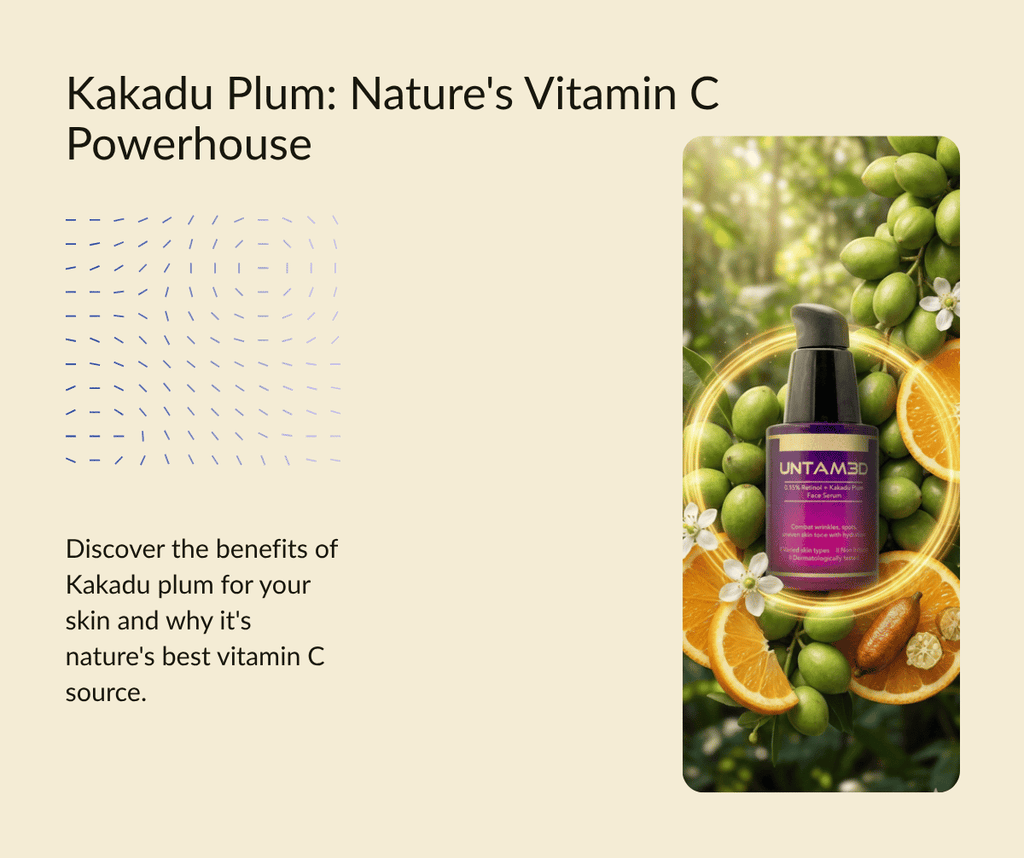
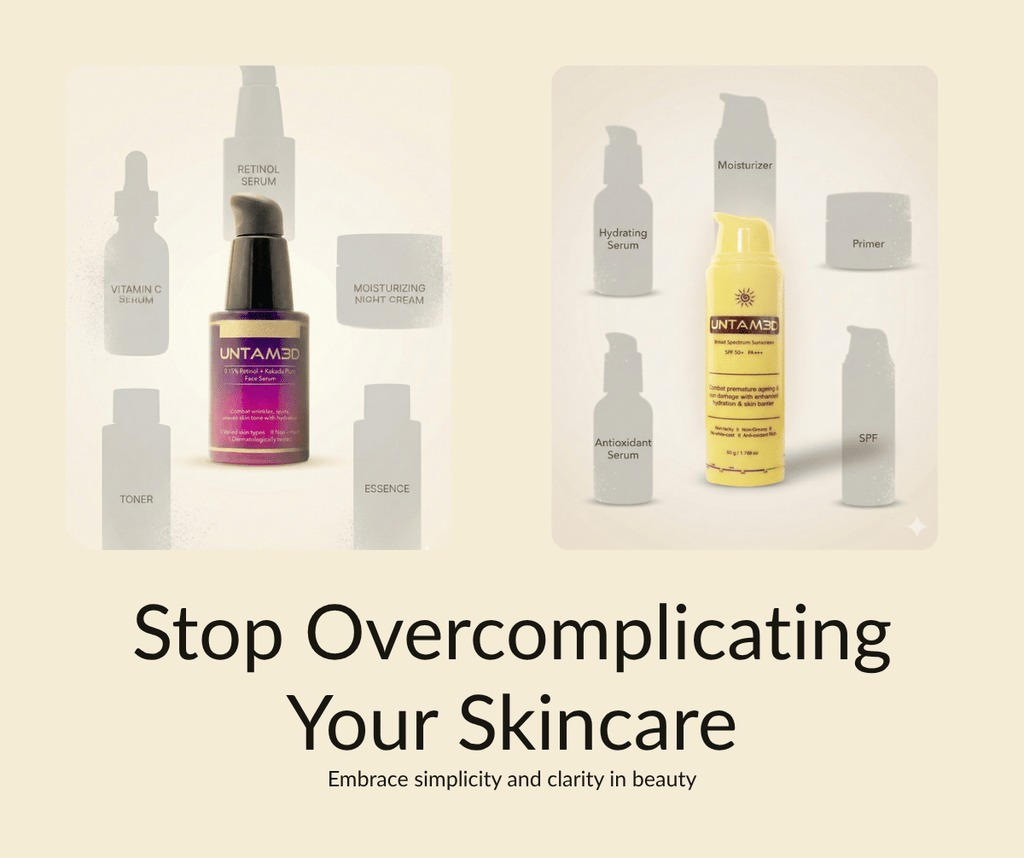
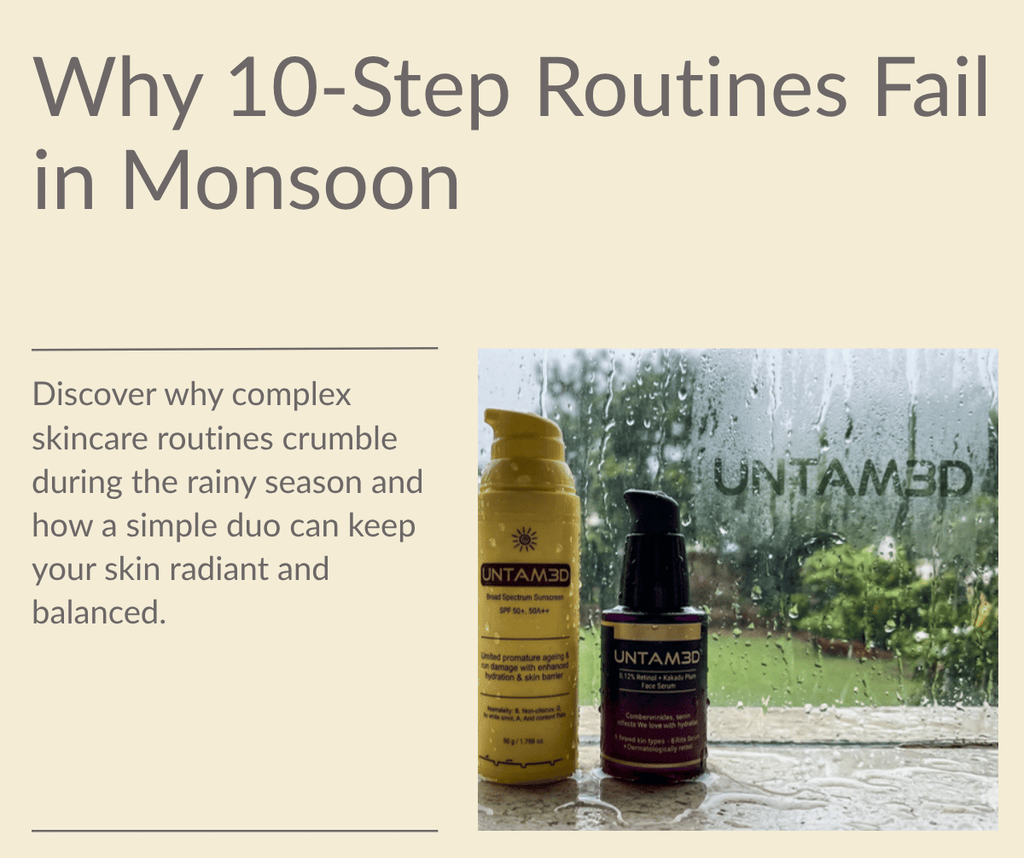
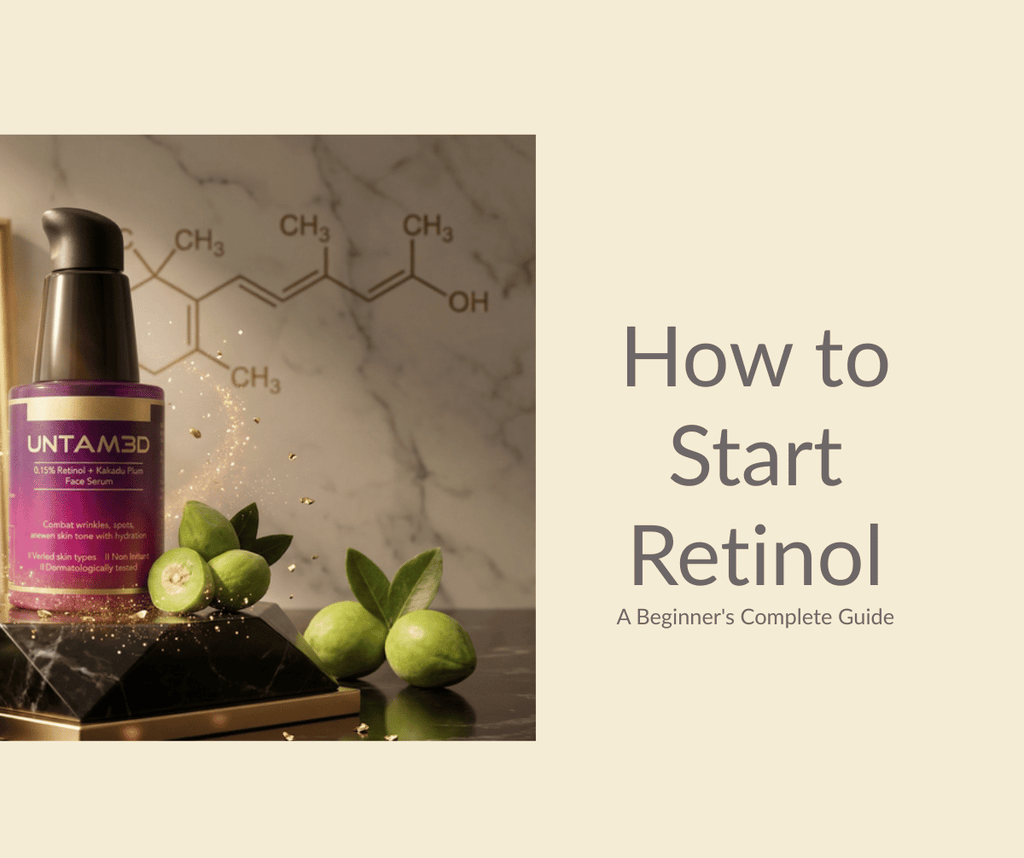
UNTAM3D's Retinol + Kakadu Plum Face Serum (₹1,199) is dermatologically tested and formulated for varied skin types, making it suitable for retinol introduction. Its Kakadu Plum (native Australian Vitamin C) and EGCG (green tea extract) provide antioxidant support while retinol works, protecting your skin from oxidative stress during the introduction phase. The serum formula allows for precise dosing control during introduction and pairs seamlessly with barrier-supporting moisturizers for complete retinol introduction protocol.
Combined with daily use of UNTAM3D's ceramide-rich Broad Spectrum Sunscreen SPF 50+ PA+++ (₹999) for barrier support and UV protection, you have a complete retinol introduction system that respects your skin's adaptation timeline while building lasting results.
Learn About Our Retinol + Kakadu Plum SerumHow Long Before You See Results From Retinol?
Most people see subtle improvements within 4-6 weeks: smoother texture, more even skin tone, reduced fine line appearance. However, significant improvements take 8-12 weeks or longer. Retinol builds cumulative benefits—you're not chasing dramatic single-application results but building skin renewal capacity over time. This is why consistent use matters infinitely more than high frequency. Someone using retinol twice weekly for 12 weeks will see better results than someone using retinol nightly for 2 weeks and then quitting due to irritation.
The most dramatic results appear after 12-16 weeks of consistent use at stable frequency. At this point, your skin has completed multiple cell turnover cycles, and the cumulative effects of accelerated renewal become visually apparent. Fine lines soften, texture improves, hyperpigmentation fades, and overall skin radiance increases. These are results that justify the introduction protocol—patience at the beginning yields compound benefits over months.
Results also depend on your baseline skin condition. Someone with significant sun damage or advanced photoaging will see more dramatic improvements than someone with relatively undamaged skin. Regardless, retinol's benefits are most apparent when you've been consistent for at least 12 weeks.
FAQ Schema
Sources & References
- Mukherjee, S., et al. (2006). Retinoids in the treatment of skin aging: An overview of clinical efficacy and safety. Clinical Interventions in Aging, 1(4), 327-348.
- Kang, S., et al. (2001). Mechanism of action of vitamin A in acne vulgaris. Journal of the American Academy of Dermatology, 45(Suppl 1), S170-S176.
- Griffiths, C. E., et al. (1992). Restoration of collagen in photoaged human skin by tretinoin (retinoic acid). New England Journal of Medicine, 337(8), 527-535.
- Olsen, E. A., et al. (1997). A double-blind, vehicle-controlled study evaluating the efficacy of adapalene gel 0.1% in the treatment of acne vulgaris. Journal of the American Academy of Dermatology, 36(Pt 3), 413-419.
- Thielitz, A., & Krautheim, A. (2012). Retinoic acid and retinoids in acne and aging. Dermatologic Surgery, 38(3), 351-361.
- Draelos, Z. D. (2005). The science behind topical retinoid efficacy and safety. Journal of Drugs in Dermatology, 4(6), 717-726.