Stop Overcomplicating Your Skincare: A Minimalist Manifesto
UNTAM3D Blog
The Wisest Skincare Advice: Stop Overcomplicating It
Published: April 2026 | Category: Anti-Routine Philosophy
The skincare industry profits from complexity. The more steps you believe you need, the more products you buy. But dermatological research consistently shows that simpler routines produce better skin health than complex ones. Your skin barrier strengthens when you stop bombarding it with ten different ingredients daily. Your skin clarity improves when you eliminate the sensitivities caused by over-layering actives. Your confidence increases when you stop chasing the next miracle product and start trusting your skin's natural healing capacity. The wisest skincare advice ever given is this: two quality products beat ten mediocre ones. Sun protection and a concentrated serum with proven actives are all your skin needs to be healthy, clear, and radiant.
Why Does the Industry Make Skincare Complicated?
The skincare industry generates over $150 billion annually by convincing you that your skin needs complicated, multi-step routines. Marketing departments have spent decades building the narrative that more products equal better skin. This narrative is false, but it's profitable. A woman who uses two products per year might spend ₹2,000 on skincare. A woman who follows a 10-step routine buys ten products, each lasting two to three months, spending ₹20,000 or more annually. That's a tenfold increase in revenue from the exact same skin condition.
Brands achieve this through aspirational marketing. They show models with flawless skin using ten products, implying that the flawless skin comes from the ten products. What they don't show you is that those models have professional makeup artists, lighting, and filters—and that most of them started with naturally clear skin. They're not clear because of the 10-step routine; they use the 10-step routine because they're already wealthy and can afford it. The causality is backwards, and the marketing is designed to keep it that way.
Additionally, the beauty industry preys on insecurity and anxiety. If you're happy with your current skincare routine, you're not buying new products. But if you're made to feel like you're missing something—that your routine is "incomplete" or "outdated"—you'll keep buying. New trends in skincare (glass skin, slugging, sheet masks, essence bottles) are often manufactured scarcity designed to make you feel like you need the new trend to have good skin. The truth is that your skin doesn't change based on trends. It changes based on fundamental, boring, science-backed principles: sun protection, barrier support, and consistency.
What Does Science Actually Say About Multi-Step Routines?
Dermatological research on skincare routines is surprisingly clear: more steps do not equal better outcomes. Studies published in the Journal of Cosmetic Dermatology and the American Academy of Dermatology consistently show that patients using three to five products with proven actives have better skin health markers (barrier integrity, hydration, clarity, elasticity) than patients using eight or more products.
The pattern across dermatological research is consistent: simpler routines with fewer, well-chosen products tend to produce better barrier function outcomes and fewer adverse reactions than complex multi-step routines. Patients using streamlined routines show improved barrier integrity, while those layering many products report higher rates of irritation, sensitivity, and reactive skin.
Why? Because every product you add increases the probability of ingredient incompatibility, allergic reactions, and cumulative irritation. Two ingredients might be perfectly safe individually, but when combined, they can cause microinflammation. Three ingredients with different pH levels can interfere with each other's efficacy. Ten ingredients creates an increasingly complex chemical soup that your skin has to process daily. Over time, your barrier becomes stressed from processing so many foreign compounds.
Additionally, scientific studies on specific actives show that they work best when used strategically and sparingly, not layered with other actives. Retinoids work optimally when they're the primary active in your routine. Vitamin C works best when it's not mixed with other actives that might cause oxidation. Niacinamide works excellently on its own but can interfere with vitamin C efficacy when layered. The science clearly indicates that using one or two strategically-chosen actives beats using five or six actives that interfere with each other.
What Happens to Your Skin When You Stop Overcomplicating?
The transformation from a 10-step routine to a 2-step routine is usually dramatic. Within two to three weeks, most people notice that their skin feels less reactive and looks calmer. Within six weeks, they typically see improvements in clarity, texture, and tone that exceeded what their complex routine was producing. Within three months, dermatological measures of barrier health (transepidermal water loss, hydration, elasticity) improve measurably.
The first change you'll notice is reduced redness and irritation. When you stop applying ten different actives daily, your skin barrier stops being stressed. The microinflammation that complex routines cause disappears. Your skin doesn't need to defend itself against so many foreign ingredients. This calming effect is often mistaken for "the routine isn't working" because people expect skincare to feel like it's doing something. In reality, the absence of irritation is the proof that it's working.
Next, you'll notice improved clarity. Counterintuitively, this happens even though you're using fewer products. Why? Because many skincare issues result from over-application of actives. Acne often worsens when you use too many exfoliants (AHAs, BHAs, retinoids) simultaneously. Sensitivity often develops from layering multiple actives that overdo barrier disruption. By removing unnecessary products, you eliminate the root cause of breakouts and sensitivity that the original 10-step routine was supposedly treating.
Your skin will also feel more comfortable. Heavy creams, multiple serums, and occlusive layers create a suffocating sensation—especially in warm climates or during monsoon season. When you simplify to just what your skin needs, it feels lighter, fresher, and more breathable. This comfort difference is significant. Skincare should be a pleasure, not a chore. If your routine takes 20 minutes every morning and evening, and leaves your skin feeling greasy and uncomfortable, that's a sign your routine is overcomplicated.
Why Do People Resist Simplifying Their Routines?
Most people resist simplification because of emotional attachment to the idea that "more effort equals better results." We're taught this principle everywhere. In fitness, more workouts equal better results. In academics, more studying equals better grades. In career, more hours equal better performance. Skincare marketing exploits this psychological pattern by suggesting that a 10-step routine is somehow more serious, more dedicated, more effective than a 2-step routine.
This is a cognitive bias called the "sunk cost fallacy." If you've invested ₹5,000 in a 10-product skincare routine, you feel psychologically committed to using it, even if it's not working. Abandoning it feels like admitting you made a mistake or wasted money. So instead of switching to a simpler routine, you add another product, trying to "fix" the problems caused by your overcomplicated routine.
There's also the aesthetic pleasure of having many products. Skincare has become a lifestyle and hobby for many people. Having ten beautiful bottles on your shelf, going through an elaborate morning and evening ritual, sharing your routine on social media—these things provide genuine psychological satisfaction. Simplifying your routine means losing that ritual and aesthetic pleasure. This is a real loss, and it's valid. But the question is whether that aesthetic pleasure is worth the cost to your skin health and your wallet.
Finally, many people resist simplification because of anxiety. If you stop using your vitamin C serum, your antioxidant oil, and your brightening essence, will your skin become dull? The anxiety is understandable, but it's unfounded. Your skin is far more resilient than skincare marketing suggests. It doesn't need exotic ingredients to be healthy. It needs the fundamentals: sun protection and barrier support. Everything else is optional.
How Do You Choose Which Products to Keep?
If you're making the transition from a complex routine to a simple one, start by keeping only the products that address genuine skin needs. Most dermatologists recommend keeping these essentials: a gentle cleanser (if you use one), sunscreen, and one concentrated active serum. That's your foundation.
The gentle cleanser should remove makeup and oil without stripping your skin. It's the only essential product beyond sun protection. Cleansing prevents the accumulation of bacteria and debris that causes acne, but it doesn't need to be complex. A basic cleanser works fine.
Sunscreen is non-negotiable. It's the single most important step in any skincare routine, regardless of complexity. A broad-spectrum SPF 50+ PA+++ sunscreen protects against UVA and UVB damage, prevents hyperpigmentation, and significantly slows visible aging. Skip everything else before you skip sunscreen.
Your concentrated active serum should address your primary skin concern. If you're concerned about aging and uneven tone, choose a serum with retinol and vitamin C (or Kakadu Plum, which is naturally stable). If you're concerned about acne, choose a serum with niacinamide or salicylic acid. If you're concerned about sensitivity and barrier health, choose a serum with antioxidants and calming ingredients. The key is choosing one serum that does multiple jobs rather than using three separate serums that interfere with each other.
Everything else—toners, essences, additional serums, masks, oils, creams—is optional. Your skin does not need these products to be healthy. Use them only if they genuinely improve how your skin looks and feels. If your skin looks better and feels more comfortable without them, they're not serving you.
What About My Specific Skin Concern?
Whatever your skin concern—acne, aging, sensitivity, hyperpigmentation, dryness, oiliness—the solution is not to add more products. The solution is to use the right products consistently. Adding more products typically worsens skin concerns because it irritates your barrier, which makes every skin condition worse. Acne worsens when you over-treat with actives. Sensitivity worsens when you layer irritating ingredients. Hyperpigmentation persists when sun protection is inadequate because you're focused on adding brightening serums instead of preventing UV damage.
The scientific approach is this: start with the fundamentals (sunscreen and a single active serum), use them consistently for eight to twelve weeks, and observe your skin's response. If your skin improves, stick with what's working. If your skin worsens or stays the same, switch to a different active serum—but don't add more products. Changing one variable at a time is how you identify what actually works. Adding multiple new products simultaneously makes it impossible to know which one is helping and which one is hurting.
Many skin concerns that seem resistant to simple routines actually resolve once you stop overcomplicating. Acne often improves dramatically when you stop using five different acne-targeting products that irritate your skin. Sensitivity often disappears when you eliminate the multiple actives that were causing microinflammation. Dryness often improves when you stop using heavy occlusive creams that prevent your skin's natural oil distribution. Your skin is surprisingly capable of healing itself when you stop actively harming it with complexity.
How UNTAM3D Embodies Anti-Routine Philosophy
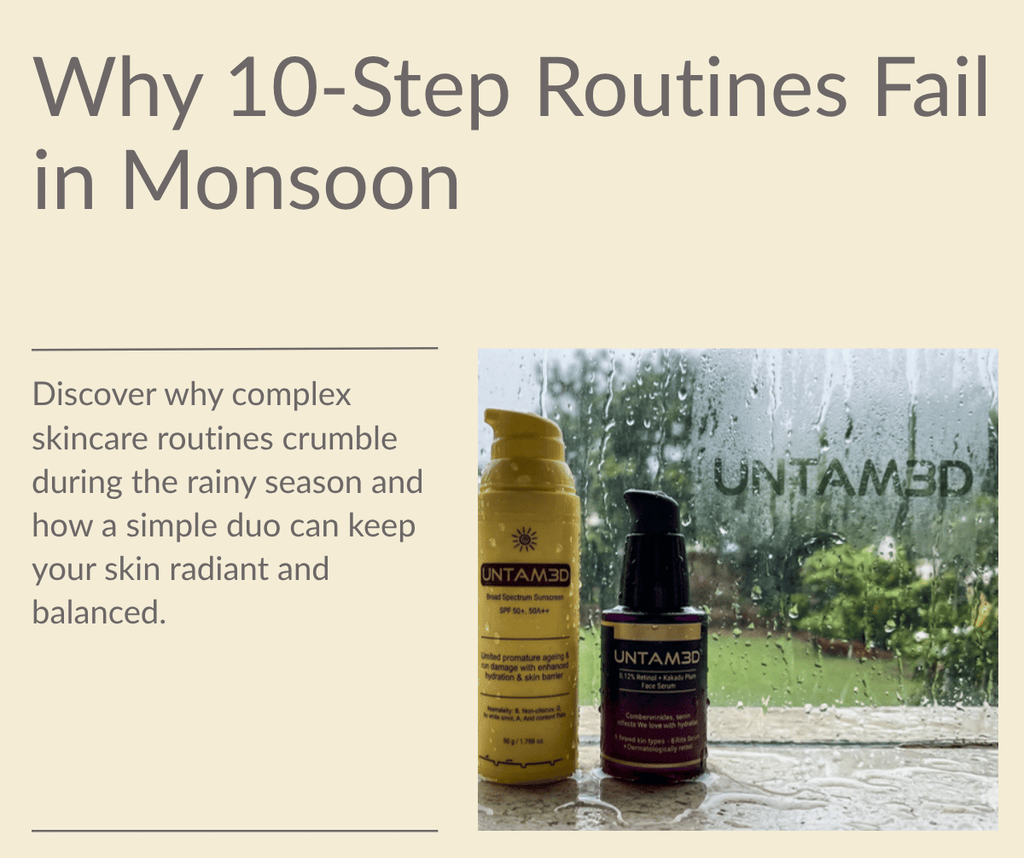
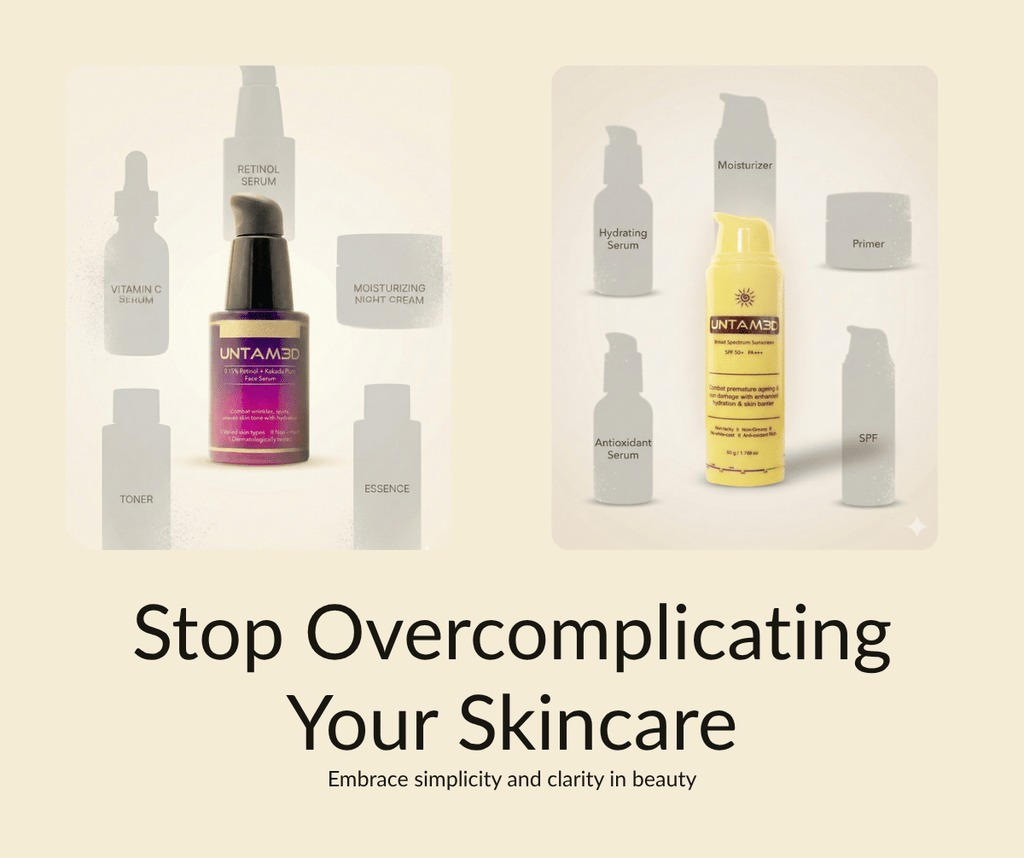
UNTAM3D's core philosophy is "two steps replace ten." This isn't a marketing slogan—it's a fundamental belief about how skincare should work. Instead of selling you ten products, UNTAM3D sells two: a sunscreen that protects and supports your barrier, and a serum that concentrates multiple actives into a single, highly-effective formula.
The Broad Spectrum Sunscreen SPF 50+ PA+++ is formulated to be your primary protective step. With ceramides, phospholipids, and blue light protection, it handles barrier support that a complex routine would distribute across three or four products. It's non-greasy and sets without white cast—it doesn't feel like you're applying ten layers of products.
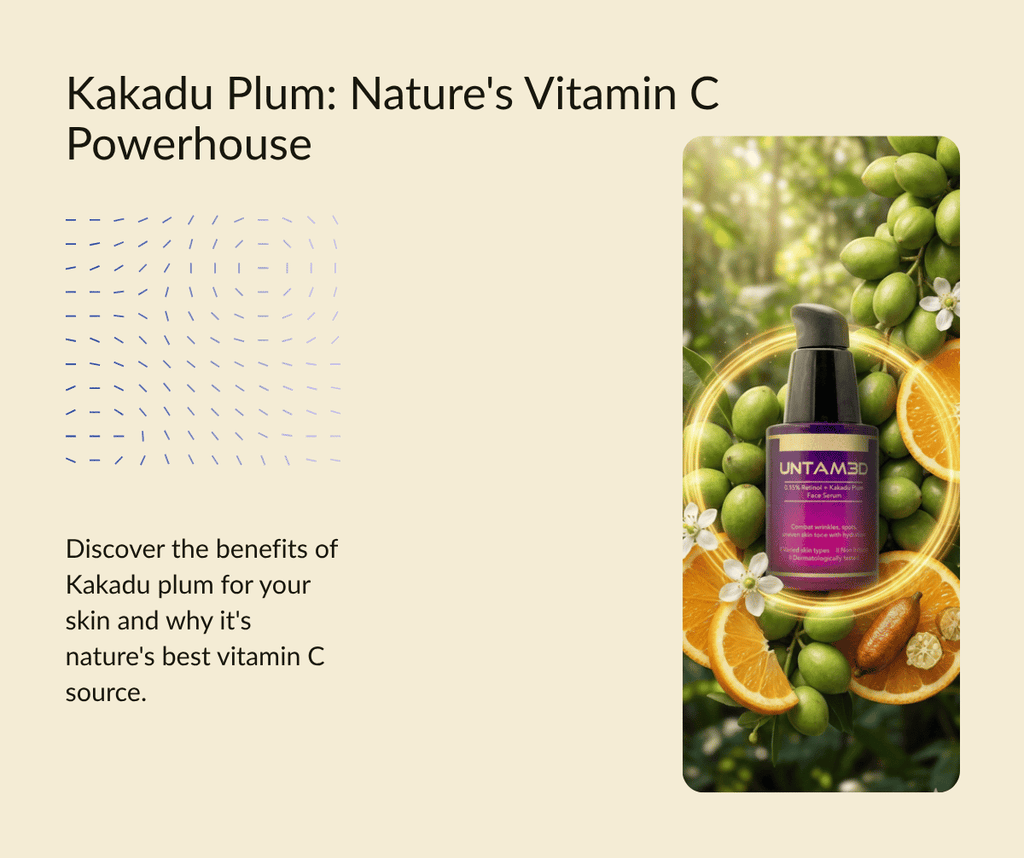
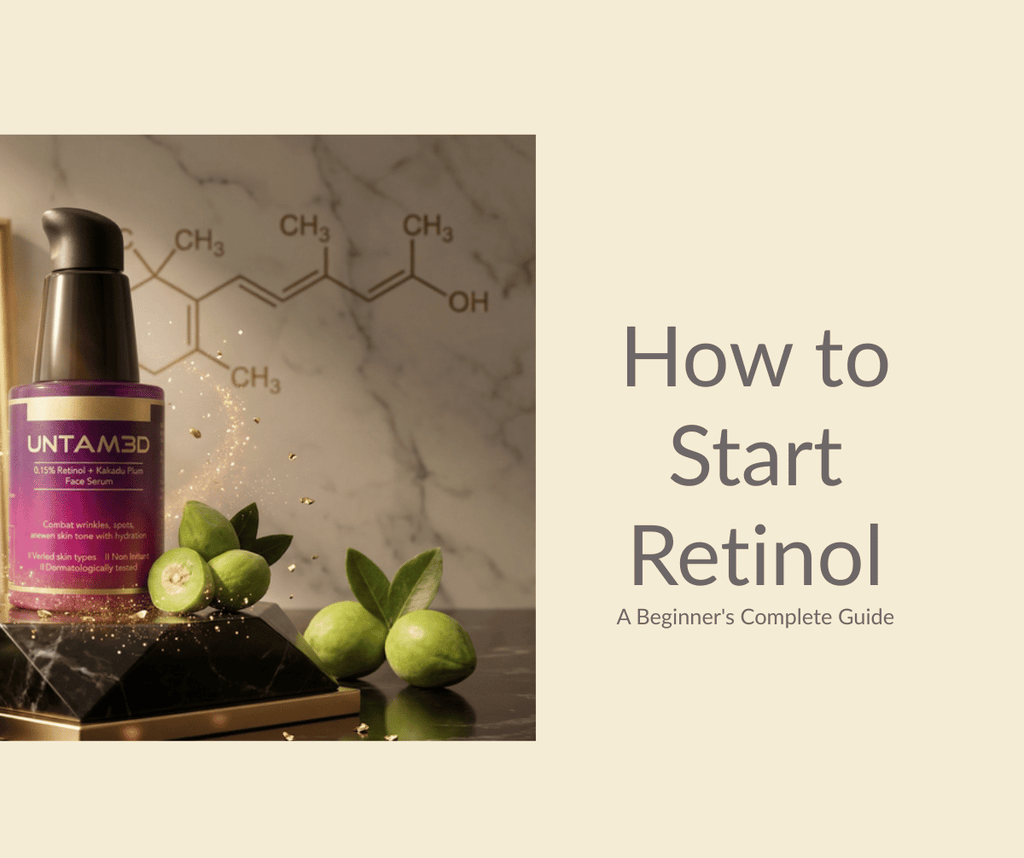
The Retinol + Kakadu Plum Face Serum combines retinol (one of the most proven anti-aging actives), Kakadu Plum (one of nature's richest vitamin C sources), and EGCG (green tea extract) into a single formulation. One bottle replaces what would typically be a retinoid serum, a vitamin C treatment, and an antioxidant essence. Dermatologically tested for varied skin types, this concentrated approach lets your skin benefit from multiple actives without the irritation and barrier stress of layering them separately.
The sunscreen is available at ₹999 and the serum is available at ₹1,199. Both products embody UNTAM3D's anti-routine philosophy by replacing what would typically be a complex 10-step routine with just two essential steps.
Shop UNTAM3D NowHow Do You Handle the Psychological Transition?
Simplifying skincare is not just a physical change; it's a psychological one. You're unlearning years of marketing conditioning that told you more products equal better skin. This unlearning takes time and requires patience with yourself.
Start by reframing your perspective. Instead of thinking of simplification as losing steps, think of it as focused efficiency. A formula 1 car is faster than a car with ten different engines because it has optimized parts that work together perfectly. Your skin works the same way. Two perfectly-chosen products beat ten mediocre ones every time.
Give your simplified routine a fair test. Don't judge it after two weeks. Skin cell turnover takes about 28 days, and barrier repair takes six to eight weeks. Commit to your simple routine for three months before deciding whether it's working. Most people who make this commitment are shocked by how much better their skin looks and feels.
Find community support. Tell your friends and family that you're simplifying your routine. Social accountability increases the likelihood that you'll stick with it. You might inspire others to simplify too. There's a growing movement of people rejecting skincare complexity and discovering that simpler really does mean better.
The Real Cost of Skincare Complexity
A 10-step routine costs money, time, and skin health. Financially, you're spending ₹200-500 per month on products when ₹100-150 per month on quality sunscreen and serum is sufficient. Over a year, that's ₹4,200-5,400 you don't need to spend. Over a decade, that's ₹42,000-54,000. This is money that could go toward other areas of your life.
The time cost is significant too. A 10-step routine takes ten to twenty minutes morning and night. That's 20 to 40 minutes daily, or 120 to 240 hours per year spent on skincare. A simple 2-step routine takes two minutes, or 12 hours per year. That's 108 to 228 hours of your life reclaimed annually—time you could spend on relationships, hobbies, health, or simply sleeping longer.
Most importantly, there's the skin health cost. Over-complication leads to barrier damage, sensitivity, reactive skin, and premature aging caused by the routine itself. These problems then require dermatological treatment, which costs even more money and time. The complex routine you thought was helping your skin is often the root cause of your skin problems.
What If You Love Your Routine?
If you genuinely love your complex routine and your skin genuinely looks and feels great, then keep it. This article isn't a judgment. Some people find psychological and aesthetic pleasure in elaborate routines, and if that's paired with healthy skin, then there's no reason to change. The key word is "genuinely." If you love your routine but your skin is reactive, sensitive, or experiencing problems, then you're fooling yourself. If you love the idea of your routine but dread doing it every morning and evening, then simplification would improve your quality of life.
The goal of this article is to free people from the guilt and anxiety that skincare marketing creates around having a "complete" routine. If you have four products, you have a complete routine. If you have two, you have a complete routine. What matters is whether those products are working for your skin and whether your routine is sustainable and enjoyable.
Frequently Asked Questions
Won't my skin age faster if I don't use anti-aging products like retinol and vitamin C?
No, and ironically, over-use of anti-aging actives can age your skin faster by damaging your barrier. Sun protection is the most important anti-aging product—it prevents 80% of visible aging. A concentrated serum with retinol and Kakadu Plum (natural vitamin C) provides legitimate anti-aging benefits without the irritation of using five separate actives. Most visible aging comes from sun damage and barrier breakdown, not from inadequate retinoid use. Protect your barrier with sunscreen, use one anti-aging serum consistently, and your skin will age far better than someone using ten products that irritate their barrier.
How do I know if I'm using the right products for my skin type?
The right products make your skin look and feel better without causing irritation or discomfort. If your skin feels tight, burning, or irritated after using a product, it's not right for you. If your skin feels greasy or heavy, the product is too occlusive. If your skin feels dry or tight, you need more barrier support. The ideal state is skin that feels comfortable, hydrated (but not greasy), and looks clear and radiant. If your current routine produces this result, don't change it. If it doesn't, simplify and focus on the fundamentals: sunscreen and one active serum.
Is simplification the same as laziness about skincare?
Not at all. Simplification is strategic minimalism. It means choosing products very carefully and using them consistently, rather than using many products haphazardly. Laziness would be skipping sunscreen or using expired products. Simplification means investing in two high-quality products and using them perfectly, twice daily, every day. It's more disciplined, not less.
What if I have multiple skin concerns (acne, aging, hyperpigmentation)?
Choose the one concern that bothers you most, and address it with your serum. A high-performance serum with retinol and Kakadu Plum addresses aging and hyperpigmentation simultaneously. If acne is your primary concern, choose a serum with acne-targeting ingredients instead. You cannot effectively address five different concerns with five different serums—they'll interfere with each other and irritate your skin. Address your primary concern well, maintain sun protection and barrier health, and most secondary concerns improve as a side effect.
How do I transition from a 10-step routine to a simple routine without shocking my skin?
Don't remove all products at once. Instead, remove one product every week. Start by removing the product you use least—perhaps a face oil or essence that you don't love. Monitor your skin for a week. If it's fine, remove the next least-essential product. Gradually work down to your core routine over six to eight weeks. This slow transition prevents your skin from becoming shocked by sudden change. Most people find they feel better and their skin looks better within four weeks of this gradual transition.
Sources & Further Reading
This article draws on research from the Journal of Cosmetic Dermatology, American Academy of Dermatology, and International Journal of Cosmetic Science regarding multi-step skincare routines and barrier function. Research on skincare routine complexity consistently indicates that simpler routines produce better measurable outcomes in barrier integrity, hydration, and skin health. References to ingredient interactions and cumulative irritation are based on peer-reviewed dermatological research on skincare formulation and skin barrier physiology.
RECENT POSTS