What Your Skin Barrier Does and How Monsoon Wrecks It
UNTAM3D Blog
What Your Skin Barrier Does (And How Monsoon Breaks It)
Published: April 2026 | Category: Seasonal Education
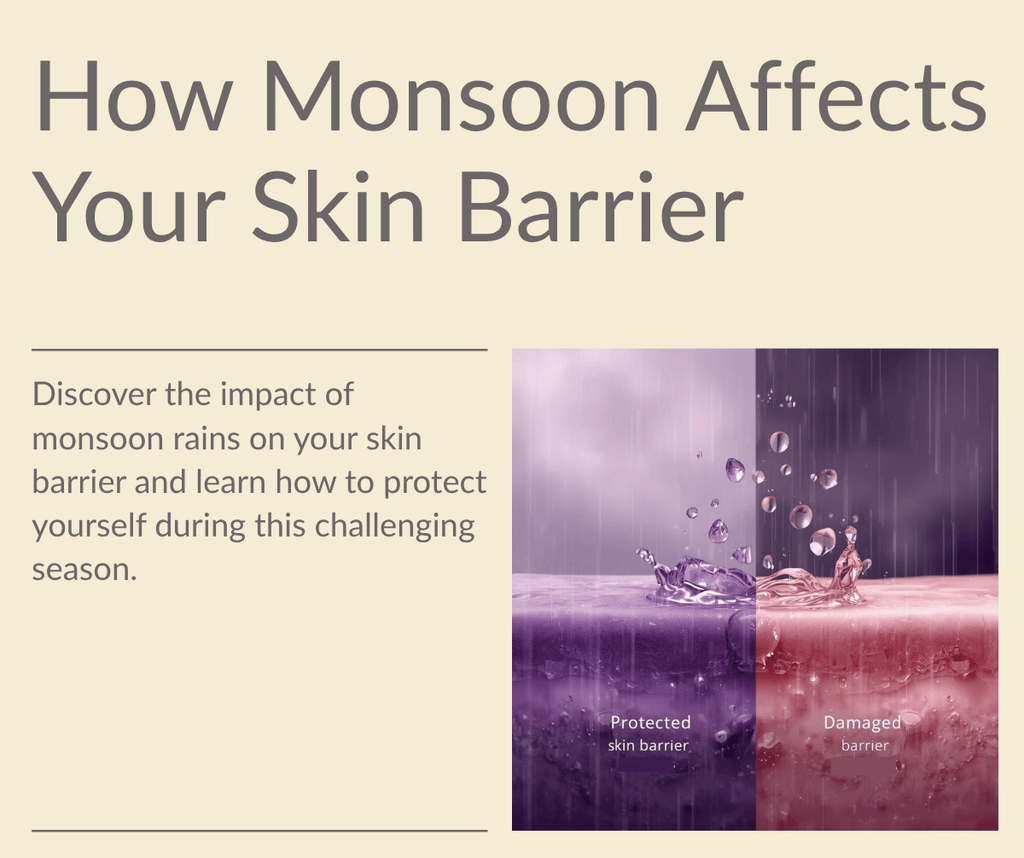
Your skin barrier is a sophisticated protective system—not a wall, but an intricate living boundary that controls what enters and exits your skin while maintaining optimal hydration and immunity. It consists of the stratum corneum (dead skin cells held together by lipids) and living epidermal layers underneath, coordinating through multiple biochemical processes. During monsoon, humidity fundamentally disrupts this barrier function through three mechanisms: excessive water absorption swells the stratum corneum, creating a fragile, permeable state; temperature and pressure fluctuations confuse barrier signaling; and fungi and bacteria thrive in the moisture-rich microenvironment. The result is compromised immunity (more breakouts and infections), increased sensitivity and reactivity, paradoxical dehydration despite high humidity, and accelerated aging as your barrier prioritizes damage control over normal repair functions. Monsoon damage takes weeks to repair, but you can prevent and minimize it using science-backed barrier-support products: broad-spectrum sunscreen with ceramides and phospholipids, and a concentrated serum with barrier-supporting antioxidants.
What Is Your Skin Barrier and Why Does It Matter?
Your skin barrier is often described as a "brick and mortar" structure—dead skin cells (the bricks) held together by lipids (the mortar). While this is a useful visual metaphor, it's an oversimplification. Your skin barrier is actually a dynamic, living system that actively regulates water, ions, proteins, and immune factors in real-time. It's a semipermeable membrane with multiple layers, each serving specific functions.
The outermost layer is the stratum corneum, consisting of 15-20 layers of dead skin cells (corneocytes) cross-linked by lipids. These lipids are primarily ceramides, cholesterol, and free fatty acids in a roughly balanced ratio. This specific lipid composition is crucial—if your barrier lipid balance is disrupted, barrier function fails. Underneath the stratum corneum is the stratum granulosum, where living skin cells manufacture the lipids, proteins, and signaling molecules that become the stratum corneum.
Your barrier serves four primary functions. First, protection: it prevents bacteria, viruses, allergens, and irritants from penetrating into deeper layers where they could cause infection or systemic reactions. Second, regulation of transepidermal water loss (TEWL): it maintains a controlled rate of water evaporation from your skin, preventing dehydration while allowing necessary moisture loss. Third, immune signaling: your barrier contains Langerhans cells and other immune components that recognize and respond to pathogens and damage. Fourth, structural integrity: it provides the mechanical support that gives your skin its firmness, elasticity, and resilience.
When your barrier is healthy, your skin looks clear, feels comfortable, and resists irritation. Bacteria cannot proliferate, so acne is minimal. Water doesn't escape excessively, so your skin is hydrated and plump. External irritants cannot penetrate, so you don't experience reactivity or sensitivity. Your skin's natural repair processes function optimally because your cells aren't in constant defensive mode.
How Exactly Does Humidity Damage Your Barrier?
Monsoon humidity (75-95% relative humidity) creates an extraordinary skin environment, and not in a good way. Most people assume that high humidity means well-hydrated skin, but this misunderstands how moisture actually works. The damage happens through several simultaneous mechanisms.
First, water absorption and stratum corneum swelling. When atmospheric humidity is extremely high, water from the air penetrates into your stratum corneum. Unlike water evaporating from your skin (which is regulated and controlled), water absorbing from the air is uncontrolled. Your outermost skin layer becomes saturated—it literally swells as water molecules are absorbed into the dead skin cells. This swelling serves no purpose; it's not like the plumpness from proper hydration. It's pathological swelling that compromises barrier structure.
Why is this a problem? Because the strength of your barrier depends on precise organization of dead skin cells and lipids. When those cells swell, they separate from each other slightly. The tight packing is disrupted. The lipid mortar that holds them together becomes strained. Pathways form between swollen cells that shouldn't exist. Your once-protective barrier becomes a Swiss cheese of unintended gaps. This is why barrier-damaged skin is more permeable—water molecules (and bacteria, irritants, allergens) can now traverse these gaps that wouldn't exist in a normally-hydrated, properly-organized barrier.
Paradoxically, this water-logged state also disrupts your barrier's ability to maintain proper hydration. Your skin's natural hydration regulation depends on a carefully-controlled rate of water evaporation. When the stratum corneum is oversaturated from atmospheric moisture, this regulation system fails. Your skin can't distinguish between water that should be there and water that shouldn't. The result is that despite the high atmospheric humidity, your deeper skin layers become dehydrated because the barrier function is too disrupted to regulate moisture properly.
Second, temperature and pressure fluctuations. Monsoon doesn't bring steady, predictable humidity. It brings fluctuations. Rainstorms temporarily increase humidity to near 100%, then it drops as clouds pass. Temperature drops during rain, then rises afterward. Your skin barrier has adapted to the slow, predictable seasonal changes (summer gradually becomes monsoon gradually becomes winter). These sudden daily fluctuations stress your barrier signaling systems. Your skin cells are constantly receiving conflicting signals about whether to increase or decrease lipid production, whether to increase or decrease water retention, whether to upregulate or downregulate barrier proteins. This constant re-signaling exhausts your skin's barrier maintenance systems.
Third, microbial overgrowth. Your skin normally has a balanced microbiome—bacteria, fungi, and other microorganisms that coexist without causing problems. Monsoon humidity creates the perfect environment for fungi to proliferate. Fungi (particularly Malassezia, Candida, and dermatophytes) thrive in warm, moist conditions. As fungal populations explode, they colonize your skin surface and hair follicles. The metabolic waste products of these fungi are irritating and inflammatory. They break down the lipids in your skin barrier (fungi literally consume ceramides and fatty acids as food). They produce acids and other compounds that disrupt barrier pH. The result is fungal dermatitis, seborrheic dermatitis, or pityriasis versicolor—all common monsoon skin problems.
Bacterial overgrowth also occurs, though bacteria are less humidity-dependent than fungi. The combination of weakened barrier, excess moisture, and elevated temperature creates perfect conditions for bacteria like Cutibacterium acnes (formerly Propionibacterium acnes, the primary acne-causing bacterium) to proliferate beyond normal levels. The bacteria colonize clogged pores that your compromised barrier can no longer protect against.
What Are the Specific Signs That Your Barrier Is Damaged?
Barrier damage has recognizable signs. The earlier you identify these, the faster you can intervene and prevent severe damage.
First, increased sensitivity. Your skin reacts to products that normally don't bother you. Your moisturizer stings slightly. Your cleanser feels more irritating. Even water feels harsh. This sensitivity indicates that your barrier is so compromised that irritant molecules are penetrating and reaching live skin cells, triggering immune reactions. This is an early warning sign that should prompt immediate barrier-support intervention.
Second, reactive skin and inflammation. You develop red patches, itching, burning sensations, or generalized redness without an obvious cause. Your skin looks inflamed even though you haven't changed your routine. You might develop heat rash or prickly heat (miliaria), which is sweat retention caused by clogged sweat ducts—a consequence of barrier malfunction. This inflammation indicates that barrier proteins are failing and your immune system is reacting to the compromised situation.
Third, acne or fungal breakouts. You develop pustules, cystic acne, or unusual fungal breakouts (often on the chest, back, or in skin folds) despite not changing your routine. Barrier-damaged skin cannot protect against bacterial and fungal overgrowth. Acne that appeared suddenly during monsoon and wasn't present before is likely barrier-driven acne, not comedonal acne from comedogenic products.
Fourth, excessive moisture and greasiness without oiliness. Your skin looks wet and glossy, but not with your natural sebum—it looks like moisture-swollen and possibly sweaty. Pressing a tissue to your skin leaves moisture marks, but when you look at your face, you don't see obvious oil. This is stratum corneum water-logging. The moisture is atmospheric water that has been absorbed and is now sitting on your skin surface.
Fifth, dehydrated patches despite high humidity. Paradoxically, your skin becomes dry and tight despite the monsoon humidity. Your cheeks are dehydrated, your eyes are dry, your lips are chapped. This indicates barrier dysfunction—your skin is losing water uncontrollably despite environmental moisture because barrier regulation is broken.
Sixth, delayed healing and visible damage. Small cuts, scratches, or even acne scars take longer to heal. Post-inflammatory hyperpigmentation (red or brown marks left after acne heals) persists longer than usual. This indicates that your skin's repair mechanisms are dysfunctional due to barrier stress.
How Long Does Monsoon Barrier Damage Last?
Barrier damage doesn't resolve instantly when the season changes. The deeper the damage, the longer the recovery. Complete barrier repair typically requires eight to twelve weeks of consistent barrier-support care, even after the high-humidity season ends. This is why many people continue struggling with monsoon acne and sensitivity even into autumn—the barrier hasn't fully recovered.
Superficial damage (mild sensitivity and slight reactivity) can improve within two to three weeks of proper barrier care. These are signs that only the stratum corneum is affected. Once you stop causing new damage (by using gentle products and avoiding irritants) and start supporting repair (with ceramides, phospholipids, and antioxidants), the outer layer can regenerate relatively quickly.
Moderate damage (persistent acne, fungal infection, noticeable dehydration) typically requires four to eight weeks of consistent barrier repair. This indicates that deeper living skin layers are involved, not just the dead outer layer. Your cells need time to synthesize new barrier lipids, express new barrier proteins, and restore immune function. Supporting this process requires consistent use of barrier-support products and avoiding any new irritation or damage.
Severe damage (severe dermatitis, extensive fungal infection, significant sensitivity) can require twelve weeks or longer, and may require professional dermatological intervention. If your barrier damage is this severe, you may need prescription antifungal creams, topical antibiotics, or oral medications to resolve the infection before barrier repair can begin. Only after the infection is controlled can your barrier actually heal.
How Do Ceramides and Phospholipids Actually Support Barrier Repair?
Your barrier's lipid matrix is primarily composed of ceramides, cholesterol, and free fatty acids in a roughly balanced ratio. If you want to repair a damaged barrier, you must provide these lipids exogenously (from outside) while your skin recovers the ability to produce them internally.
Ceramides are the most critical. They're the primary structural component of the lipid mortar that holds your stratum corneum together. When your barrier is damaged, ceramide content drops sharply. Providing ceramides topically has been extensively studied—multiple clinical trials show that ceramide-containing formulations measurably improve barrier function, reduce TEWL, and accelerate barrier repair. The ceramides you apply don't directly integrate into your barrier (that would be too simple), but they provide several benefits: they physically occupy space in the damaged areas, temporarily improving the barrier function while your skin repairs internally; they provide a signal to your living skin cells that barrier lipid content is sufficient, which reduces the stress signal that's causing inflammation; they provide a substrate that your skin cells can use or remodel to produce their own ceramides.
Phospholipids serve a complementary function. They're structural components of cell membranes and have additional benefits: they enhance skin hydration more effectively than ceramides alone, they have anti-inflammatory properties, and they support the absorption and efficacy of other barrier-repair ingredients. The combination of ceramides and phospholipids is more effective than either alone—this is why the best barrier-support products include both.
Additionally, these lipids should be provided in a formulation that doesn't further damage your already-compromised barrier. This means avoiding irritating actives (retinoids, exfoliants, vitamin C at low pH) until your barrier has substantially recovered. It means using gentle cleansing, avoiding heavy occlusive creams that prevent your skin from breathing, and avoiding any additional inflammatory triggers.
What About Antioxidants and Barrier Recovery?
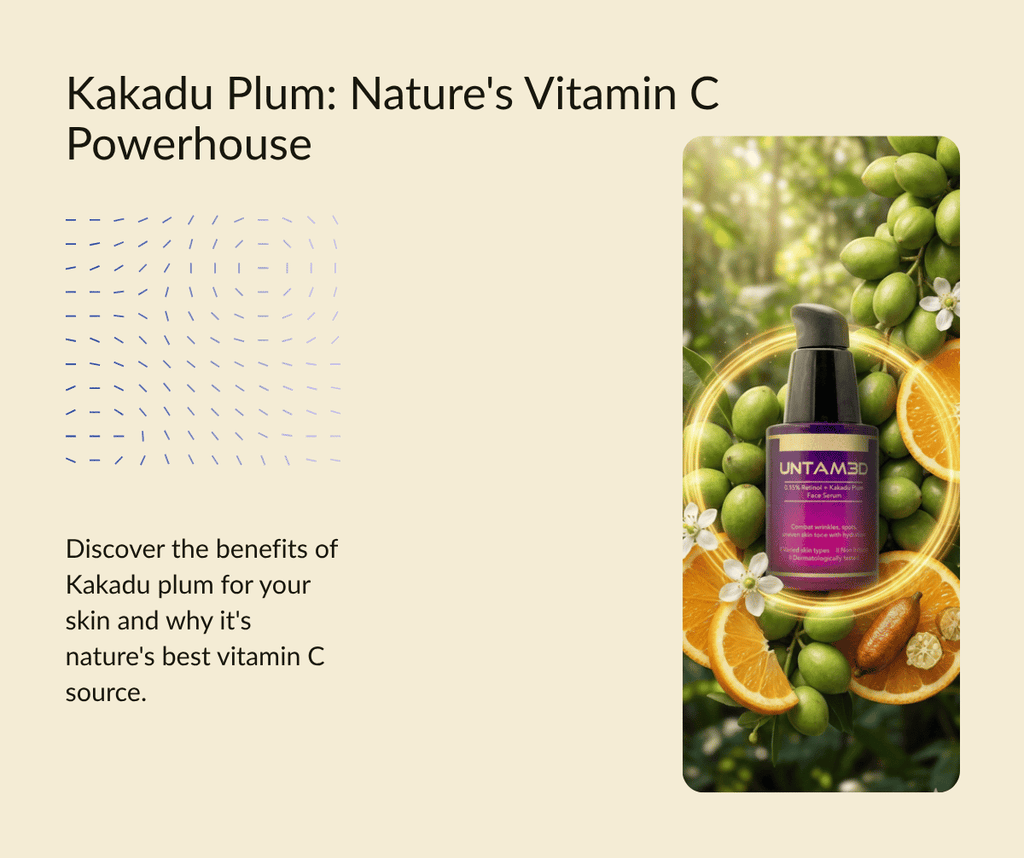
Antioxidants are equally important to lipids for barrier repair. When your barrier is damaged, your skin undergoes oxidative stress—free radicals accumulate from UV exposure, microbial infection, and the inflammatory response itself. These free radicals damage your living skin cells' ability to produce barrier lipids and barrier proteins. Providing antioxidants—particularly Kakadu Plum (natural vitamin C), EGCG (from green tea), and gallic acid—reduces this oxidative stress and allows your cells to focus on repair instead of constant damage defense.
Additionally, EGCG and gallic acid have anti-inflammatory properties. They don't just provide antioxidant protection; they actively reduce the inflammatory signals that are causing your sensitivity and reactivity. This allows your immune system to calm down so your barrier can prioritize repair.
The ideal monsoon-damage recovery approach combines ceramides and phospholipids (structural barrier repair) with antioxidants and anti-inflammatory ingredients (cellular repair support). A sunscreen with ceramides and phospholipids handles the structural barrier repair in the morning (plus essential UV protection). A concentrated serum with antioxidants and anti-inflammatory ingredients handles the cellular repair support in the evening.
Why Doesn't Your Barrier Just Recover On Its Own?
Your barrier does have natural repair mechanisms, but monsoon damage is intense enough that natural recovery is slow and often incomplete. Additionally, most people continue causing new damage during the recovery period by using actives, using heavy creams that prevent breathing, or continuing environmental exposure (sweat, humidity, bacteria) that stresses the barrier further.
Think of it like a cut on your skin. Yes, cuts heal naturally, but healing is faster and more complete if you keep the wound clean, protect it from further damage, and provide nutrients that support healing. The same principle applies to barrier recovery—active support accelerates and improves the outcome.
Additionally, some of the damage from monsoon—particularly fungal colonization and bacterial overgrowth—won't resolve without active intervention. Your immune system can eventually clear these, but that process takes weeks and causes ongoing inflammation that prevents barrier repair. Providing ingredients that directly counter fungal and bacterial growth (like EGCG, which has antimicrobial properties) accelerates the restoration of your normal skin microbiome, allowing your immune system to relax and your barrier to repair.
How UNTAM3D Supports Barrier Recovery During and After Monsoon
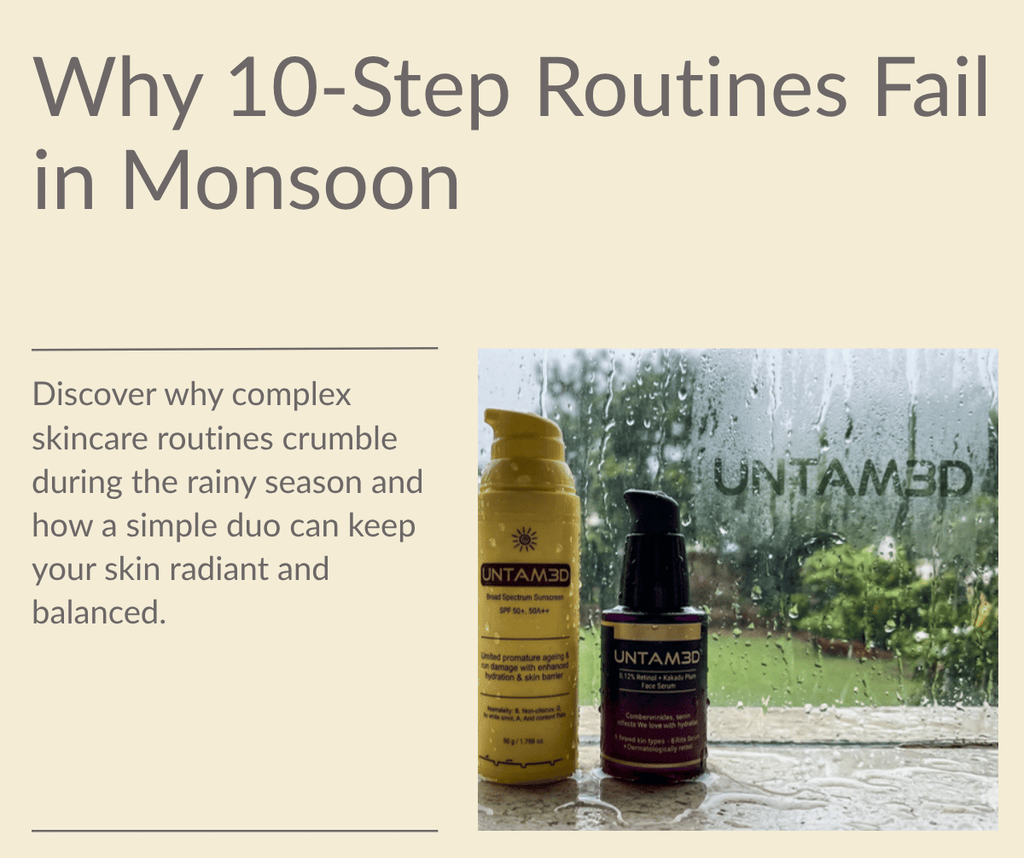
UNTAM3D's approach to monsoon barrier protection centers on two products that directly support barrier function without causing additional damage through over-complication or irritating actives.
The Broad Spectrum Sunscreen SPF 50+ PA+++ is your primary barrier-support tool during monsoon. It contains ceramides and phospholipids that begin repairing barrier lipid deficits immediately. The formulation is non-greasy and non-occlusive, so it doesn't suffocate your already-stressed barrier by preventing sweat evaporation. It provides essential UV protection even on cloudy monsoon days—UV damage is one of the largest stressors on your barrier during this season. The blue light protection addresses damage from screens you're using more during rainy days when you're indoors. This sunscreen replaces what would typically require three products: a moisturizer for barrier support, a sunscreen for UV protection, and a serum for antioxidant support.
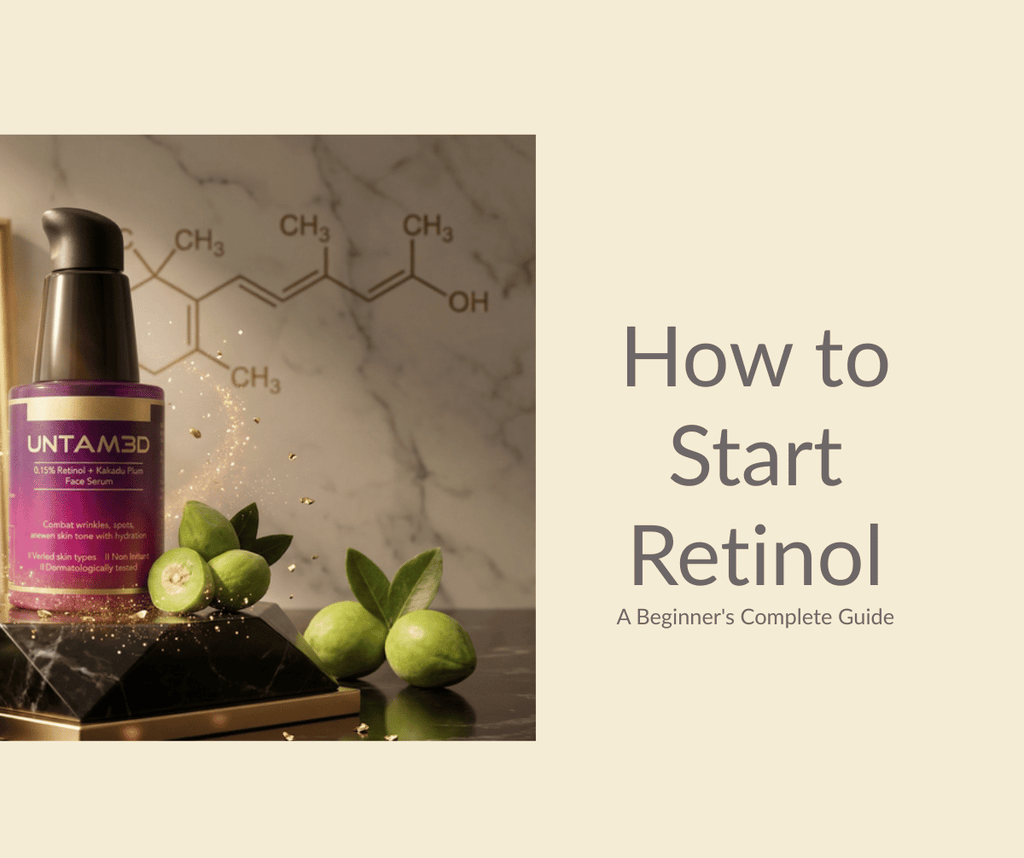
The Retinol + Kakadu Plum Face Serum supports barrier recovery through antioxidant and anti-inflammatory action. During active monsoon season, you might use this serum sparingly (two to three times per week instead of daily) because retinol is a potent active and your barrier is stressed. Once monsoon ends and your barrier begins recovering, you can increase frequency. The serum's Kakadu Plum (natural vitamin C) provides antioxidant protection that reduces oxidative stress on your skin cells, allowing them to focus on barrier repair. The EGCG has anti-inflammatory properties that calm your reactive skin. The retinol, once your barrier is strong enough, stimulates collagen production and cell renewal to complete the repair process.
The sunscreen is available at ₹999 as your priority during monsoon, and the serum is available at ₹1,199—together they provide comprehensive barrier protection and recovery support throughout the monsoon season and beyond.
Shop UNTAM3D Sunscreen for Barrier ProtectionWhat Should You Stop Doing During Monsoon to Let Your Barrier Recover?
Barrier recovery requires removing or reducing the activities that are causing damage. This is often harder for people than adding products, because it feels like you're doing less to help your skin.
First, stop using exfoliating products. This includes AHAs, BHAs, mechanical exfoliation, enzyme exfoliants, and even gentle physical scrubs. Your barrier is already being disrupted by humidity and microbial overgrowth. Additional exfoliation removes more barrier lipids and increases permeability. This is counterintuitive—many people think they should exfoliate more during monsoon to prevent clogged pores—but exfoliation worsens barrier damage and makes acne worse. Skip all exfoliants until humidity drops below 70% and your barrier has visibly recovered.
Second, stop using actives like retinoids, vitamin C serums (especially synthetic L-ascorbic acid), and high-concentration niacinamide. These actives work by disrupting your barrier slightly to deliver their benefits. During monsoon, your barrier is already disrupted enough. Additional active stress prevents recovery. If you want antioxidant benefits, use a serum with gentle antioxidants like Kakadu Plum (naturally stabilized), but avoid the aggressive actives until your barrier is healthy again.
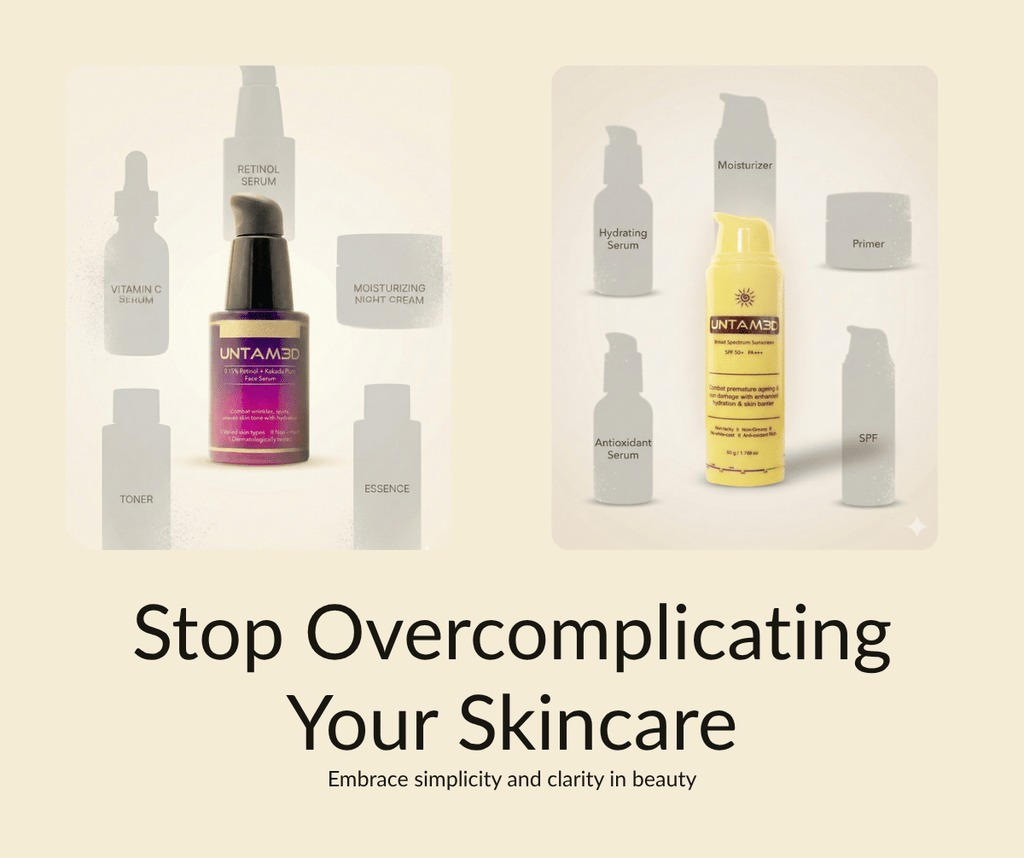
Third, stop layering products. Your simplified barrier-recovery routine should be: cleanser, sunscreen (morning) and serum (night). Remove toners, essences, additional serums, face oils, masks, and everything else. Each layer increases the risk of ingredient incompatibility, occlusion, or microbial overgrowth. Simplification is barrier recovery.
Fourth, stop using heavy occlusive creams. Creams that feel greasy or form a thick occlusive layer prevent sweat evaporation and prevent your skin from breathing. In monsoon, this traps heat, moisture, and bacteria against your skin, worsening fungal and bacterial overgrowth. If you need additional moisturization, use a lightweight serum with ceramides instead of a cream.
Fifth, stop hot showers and hot water washing. Hot water dissolves the lipids in your barrier and increases water loss. Use lukewarm or cool water for cleansing. This is difficult during monsoon when the weather is warm and a cool shower feels refreshing, but cool water actually supports barrier recovery. You can take a cool bath or pool swim for refreshment, but when cleansing your face, stick with lukewarm water.
When Should You Reintroduce Your Full Routine?
Wait until humidity has consistently fallen below 70% for at least one week before reintroducing actives and additional products. Once you begin reintroducing, do it gradually—one new product per week, with three to five days of observation before adding the next. This slow approach lets you identify which products your barrier tolerates and which cause reactivity.
Start by reintroducing the gentlest products first—hydrating toners or essences if you use them, then gradually work to stronger actives. Most people find they can tolerate most of their previous routine by late September or early October. A few people discover that their barrier never fully recovers to its pre-monsoon state, suggesting a more permanent sensitivity has developed. These people benefit from maintaining a simplified routine year-round, using barrier-support products as their main focus and reserving actives for strategic, limited use.
Frequently Asked Questions
If humidity is high, why does my skin still feel dry and dehydrated?
This paradox occurs because your barrier function is disrupted. When your barrier can't regulate water properly, water escapes excessively from your deeper skin layers despite the high atmospheric humidity. Additionally, the swollen stratum corneum (from water absorption) becomes separated from the living layers beneath it, creating a structural disruption that prevents normal hydration distribution. The solution isn't to add more hydration products (which won't penetrate the disrupted barrier)—it's to repair your barrier with ceramides and phospholipids so it can regulate hydration properly again. Once barrier function is restored, the atmospheric humidity will naturally keep your skin hydrated.
Can I use a ceramide cream instead of ceramide sunscreen?
A ceramide-rich cream provides barrier support, but it doesn't provide sun protection, which is essential during monsoon. Applying an opaque sunscreen after a heavy cream creates a thick, occlusive layer that traps heat, moisture, and bacteria—worsening barrier damage. The optimal approach is using a sunscreen with integrated ceramides and phospholipids (like UNTAM3D's Broad Spectrum SPF 50+) that provides both barrier support and UV protection in one product. This prevents the occlusion problem and simplifies your routine during barrier recovery.
How do I know the difference between barrier damage and fungal infection?
Barrier damage causes general sensitivity, mild inflammation, and reactive skin across broad areas of your face. Fungal infection typically causes localized scaling, intense itching, and often a distinctive pattern (round patches, concentrated in specific skin folds or areas). Fungal infections may also spread or persist even with good skincare. If you suspect fungal infection (particularly if you see scaly patches or have intense localized itching), consult a dermatologist. They can confirm with a simple skin scraping and prescribe antifungal creams. Barrier damage improves with consistent barrier-support care; fungal infection requires specific antifungal treatment in addition to barrier care.
Is barrier damage from monsoon permanent, or does it fully recover?
Barrier damage is not permanent, but recovery requires consistent care for eight to twelve weeks after the high-humidity season ends. With proper barrier-support products and avoidance of further damage (no actives, no exfoliation, no heavy occlusives), your barrier returns to normal function and your skin returns to its baseline sensitivity level. A small percentage of people develop persistent sensitivity even after monsoon ends, suggesting that monsoon damage triggered an underlying tendency toward sensitive skin. These individuals benefit from maintaining barrier-support products year-round rather than just during monsoon.
Can barrier damage cause permanent changes to your skin?
Severe or repeated barrier damage (multiple years of monsoon without proper barrier care) can permanently alter your skin's sensitivity baseline. If you damage your barrier repeatedly without allowing full recovery, your skin develops lasting sensitivity. Some people also develop post-inflammatory hyperpigmentation from barrier-damage-related acne or infection that persists even after the barrier recovers. This hyperpigmentation is not permanent but requires specific treatment (sunscreen to prevent darkening, brightening serums) to resolve. The best approach is preventing barrier damage in the first place with proper monsoon skincare, rather than waiting for damage and attempting repair.
Sources & Further Reading
This article synthesizes current dermatological research on skin barrier structure and function from journals including Journal of Dermatological Science, Dermatologic Therapy, and International Journal of Cosmetic Science. Key concepts regarding humidity effects on stratum corneum hydration, barrier lipid composition, and transepidermal water loss are based on peer-reviewed research in skin physiology. Information about ceramides, phospholipids, and their role in barrier repair is drawn from clinical studies demonstrating efficacy of topical lipid formulations in barrier dysfunction. Monsoon-specific effects on skin microbiome and fungal overgrowth are based on tropical dermatology research and environmental microbiology studies on humidity and fungal proliferation.
RECENT POSTS