Your Skin Barrier: The Complete Guide to Understanding and Protecting It
Your Skin Barrier: What It Is, Why It Breaks, and How to Fix It
Published April 1, 2026 · 7 min read · By UNTAM3D
Your skin barrier is the difference between a healthy complexion and one that's chronically irritated, dehydrated, sensitive, and prone to breakouts. Yet most people treat their skin barrier as incidental rather than foundational. This is a critical mistake. The skin barrier—the outermost layer of your epidermis composed of lipids, proteins, and water—is your skin's primary defense system. It regulates moisture loss, prevents pathogenic entry, and determines your skin's resilience against actives and environmental stress. When it's healthy, you can use powerful ingredients like retinol without irritation. When it's damaged, a gentle cleanser triggers redness. Understanding what breaks your barrier and how to repair it is the most important skincare knowledge you can acquire.
What Exactly Is the Skin Barrier?
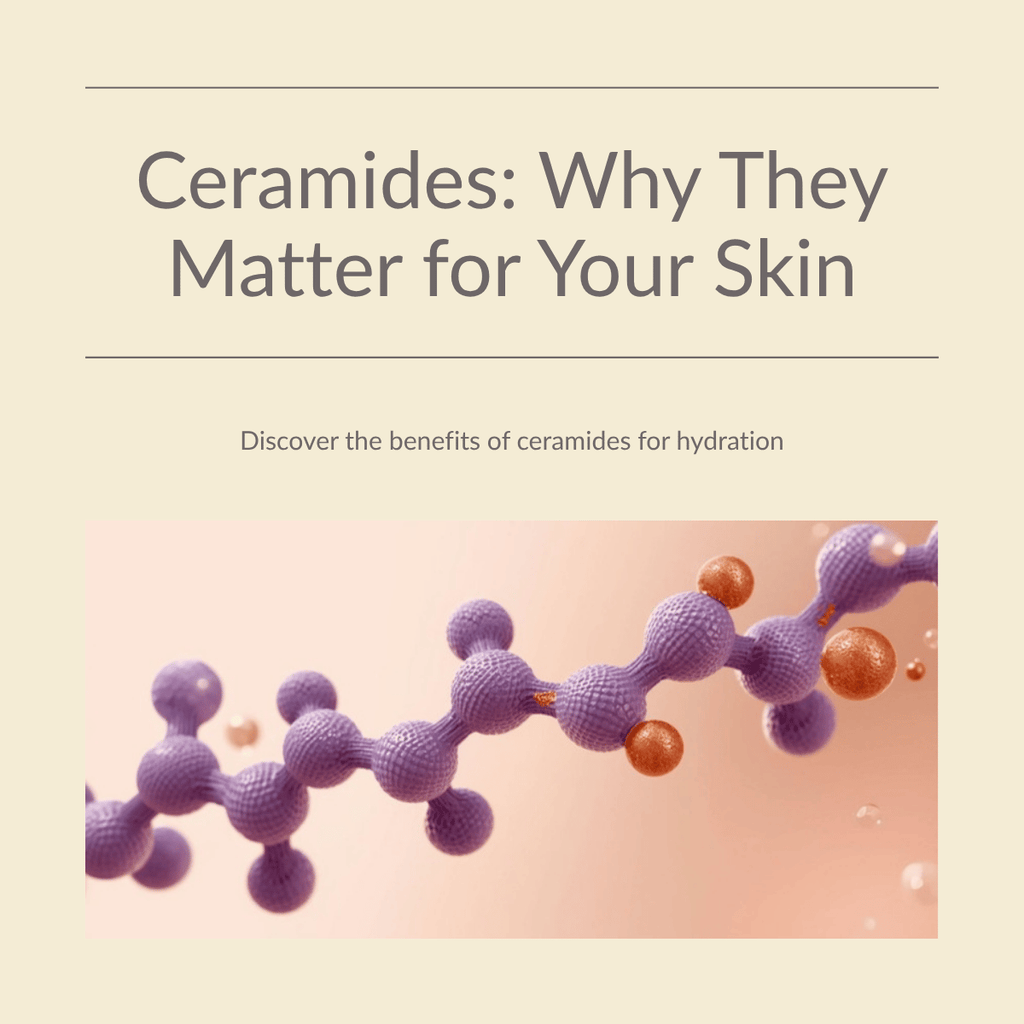
The skin barrier isn't one thing—it's a sophisticated architecture. The outermost layer, the stratum corneum, is composed of approximately 15-20 layers of dead skin cells (corneocytes) held together by lipids: ceramides, cholesterol, and free fatty acids in a roughly 1:1:1 ratio. This "brick and mortar" structure is far more complex than simplified diagrams suggest. The mortar (lipids) comprises approximately 10-15% of the stratum corneum's dry weight, but despite this relatively small proportion, lipid composition is absolutely critical to barrier function—disrupting even a fraction of these lipids compromises the entire structure.
Below the stratum corneum lies the epidermis, which produces the proteins and lipids that migrate upward to continuously renew the barrier. The skin also produces natural moisturizing factor (NMF)—amino acids, urea, and glucose—which draws water into the stratum corneum and maintains hydration. A healthy barrier balances water retention with controlled permeability, allowing beneficial ingredients in while keeping harmful substances out. When this system works, your skin feels soft, looks luminous, and tolerates active ingredients beautifully. When it fails, your skin becomes a sensitive, reactive mess.
How Does the Barrier Break? Common Culprits
Over-exfoliation is the leading barrier-damaging behavior in skincare. Exfoliation (chemical or physical) removes layers of skin cells. Moderate exfoliation, 1-2 times weekly, supports renewal. Aggressive exfoliation—daily scrubbing, multiple actives nightly, or harsh peels—directly erodes the stratum corneum's architecture. You're literally sanding away the protective layers before new ones have matured to replace them. This creates a cumulative deficit where lipid production can't keep pace with loss.
Harsh cleansing disrupts the barrier differently. Strong surfactants (common in budget cleansers) strip away lipids along with dirt and oil. Your skin needs some oil for barrier function; removing it entirely compromises lipid replenishment. Soap-based or alcohol-heavy cleansers are particularly damaging. This is why dermatologists recommend pH-balanced, gentle cleansers—they remove dirt without dismantling lipid architecture.
Active abuse damages barriers when overused. Retinol is phenomenal but requires gradual introduction. Using it nightly from day one, or combining it immediately with other actives (AHAs, BHAs, vitamin C), triggers retinization—a period where your barrier actually becomes temporarily compromised as cells turnover rapidly. Most people misinterpret this as "the product doesn't work for me" when actually they've overwhelmed their barrier.
Environmental stress silently damages barriers. Low humidity (winter heating, air conditioning, dry climates) causes water to evaporate from the stratum corneum faster than lipids can seal it. High temperatures increase transepidermal water loss (TEWL). Pollution and UV exposure generate free radicals that degrade lipids. Most people address this haphazardly or not at all, wondering why their skin deteriorates seasonally.
Inflammatory skin conditions compromise barriers. Eczema, rosacea, dermatitis, and even acne involve barrier dysfunction. These conditions often have genetic components but are exacerbated by triggering behaviors. Someone predisposed to eczema who over-exfoliates will experience much worse symptoms than someone who uses only gentle practices.
What Do Damaged Barrier Symptoms Actually Look Like?
A compromised barrier produces a distinctive constellation of symptoms. Increased sensitivity is the most obvious—products that never bothered you before suddenly sting, burn, or trigger redness. Your skin becomes reactive to things it previously tolerated. Persistent tightness and dryness are common, even if you're using a moisturizer. This dryness feels different from dehydration (lack of water); it's a stretched, uncomfortable sensation often accompanied by visible flaking or rough patches.
Increased breakouts despite improved hygiene suggests barrier dysfunction. When the barrier is compromised, bacteria can enter more easily, triggering inflammation and acne. Paradoxically, this often happens after exfoliating or using strong actives—you cause the barrier damage, bacteria proliferate in the disrupted skin, and you're suddenly more acne-prone. Some people respond by using stronger actives, worsening the cycle.
Reactive redness and persistent inflammation, especially around the nose, cheeks, or chin, indicate barrier compromise. You might notice this after using a new cleanser or after several nights of retinol. The skin looks irritated, feels hot, and responds exaggerated to stimuli (temperature, products, even air). This redness isn't always visible; some people experience only stinging or burning without visible inflammation.
Increased sensitivity to active ingredients is a delayed indicator. If you suddenly can't tolerate vitamin C serums or retinol that worked fine months ago, your barrier has degraded. Similarly, heightened sunscreen irritation (which never bothered you before) suggests barrier dysfunction. A healthy barrier tolerates sunscreen; a compromised one reacts to it.
How to Repair a Damaged Barrier: Evidence-Based Strategies
Simplify your routine immediately. If your barrier is damaged, this is not the time for multi-step routines or active experimentation. Use only a gentle cleanser (pH-balanced, no sulfates), a moisturizer with barrier-supporting ingredients, and sunscreen. That's it. Pause all actives—retinol, vitamin C, AHAs, BHAs, everything. I know this feels counterintuitive; most people want to treat the problem aggressively. Resist this. You can't repair a barrier while simultaneously damaging it with actives.
Use ceramide-rich moisturizers. Ceramides are the lipids most depleted in damaged barriers. A moisturizer containing ceramides NP, AP, and EOP (these are the three most studied ceramides) helps restore the lipid-protein matrix. Look for ceramides listed in the top 5 ingredients on the INCI. Moisture serums with hyaluronic acid or glycerin can support hydration underneath, but ceramide-containing moisturizers are non-negotiable for repair.
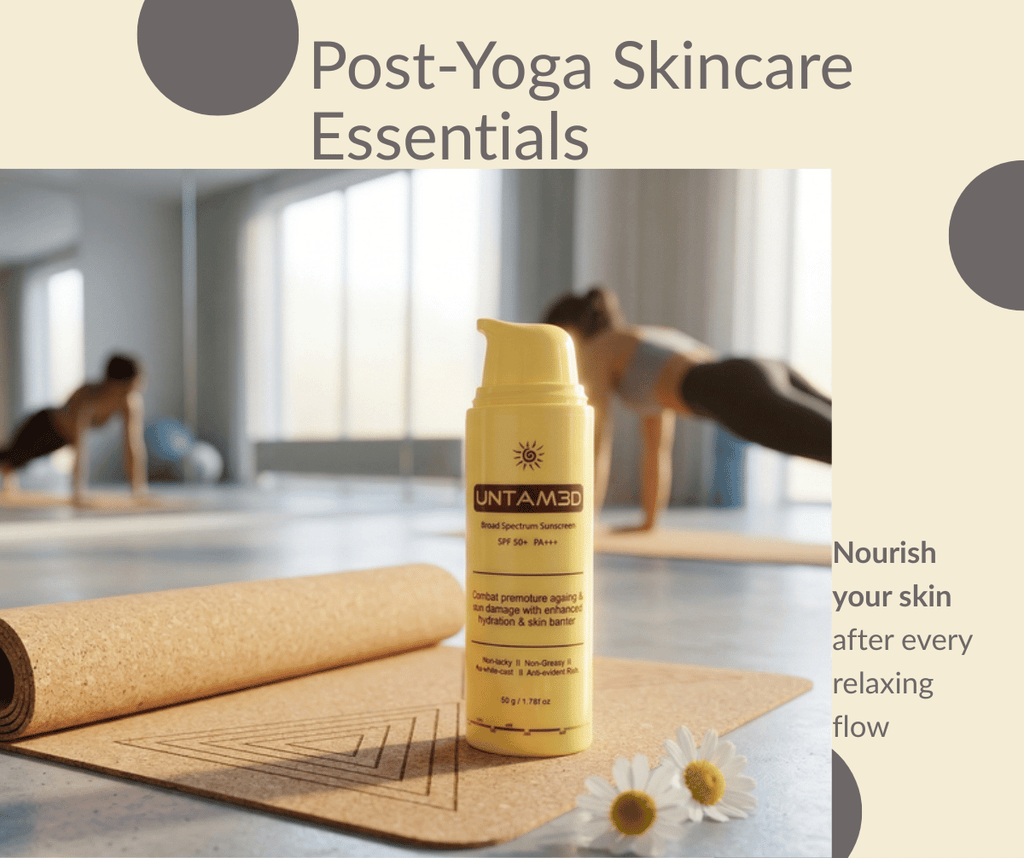
UNTAM3D's philosophy emphasizes barrier health through lipid support. While we're known for our Broad Spectrum Sunscreen SPF 50+ PA+++, this sunscreen is specifically formulated with ceramides and phospholipids—components that strengthen barrier function alongside providing UV protection. Using a barrier-supporting sunscreen daily is essential for repair; sun damage degrades lipids further, making recovery impossible without protection.
Avoid hot water and harsh cleansing practices. Lukewarm water is gentler than hot; it doesn't strip lipids as aggressively. Avoid physical exfoliants entirely during repair. Chemical exfoliants should be paused. Pat skin dry (don't rub), and moisturize while skin is still slightly damp—damp skin helps products absorb and supports hydration retention. This single shift—from aggressive to gentle practices—often produces visible barrier improvement within a week.
Maintain consistent hydration. Barrier repair requires sustained moisture. Apply moisturizer twice daily. If air is particularly dry (winter, air conditioning), consider a heavier occlusive layer at night—a facial oil or occlusive balm over your moisturizer seals in hydration. This isn't permanent; once the barrier heals, you can scale back. But during repair, generous hydration supports lipid production and prevents TEWL from undermining recovery.
Introduce repairing ingredients gradually. Once your barrier shows signs of recovery (reduced sensitivity, decreased redness), you can reintroduce actives, but cautiously. Niacinamide at 4-5% is excellent for barrier support and can be used during recovery if tolerated. Centella asiatica extract (cica) reduces inflammation and supports barrier repair. Green tea extract (EGCG) provides antioxidant benefits without irritation. These are gentler than retinol or AHAs and support barrier healing. Only after sustained improvement (typically 2-4 weeks) should you consider reintroducing stronger actives.
The Timeline: How Long Does Barrier Repair Actually Take?
Mild to moderate barrier damage typically heals in 2-4 weeks with consistent gentle practices. You'll notice reduced sensitivity and improved moisture retention within days. Visible improvements (reduced redness, restored luminosity) appear by week 2-3. Severely compromised barriers (from prolonged over-exfoliation or aggressive treatments) may require 6-8 weeks of dedicated repair before you can safely reintroduce actives. Patience here prevents relapse—resuming actives too early restarts the damage cycle.
Preventing Barrier Damage: The Long View
Prevention is incomparably easier than repair. Use gentle cleansers consistently. Introduce actives gradually and in appropriate concentrations. Exfoliate 1-2 times weekly maximum, not daily. Don't combine multiple actives nightly when starting—this is the fastest way to damage your barrier. Use sunscreen daily; UV damage degrades lipids. Support hydration with moisturizers containing ceramides and humectants. Avoid prolonged hot water exposure.
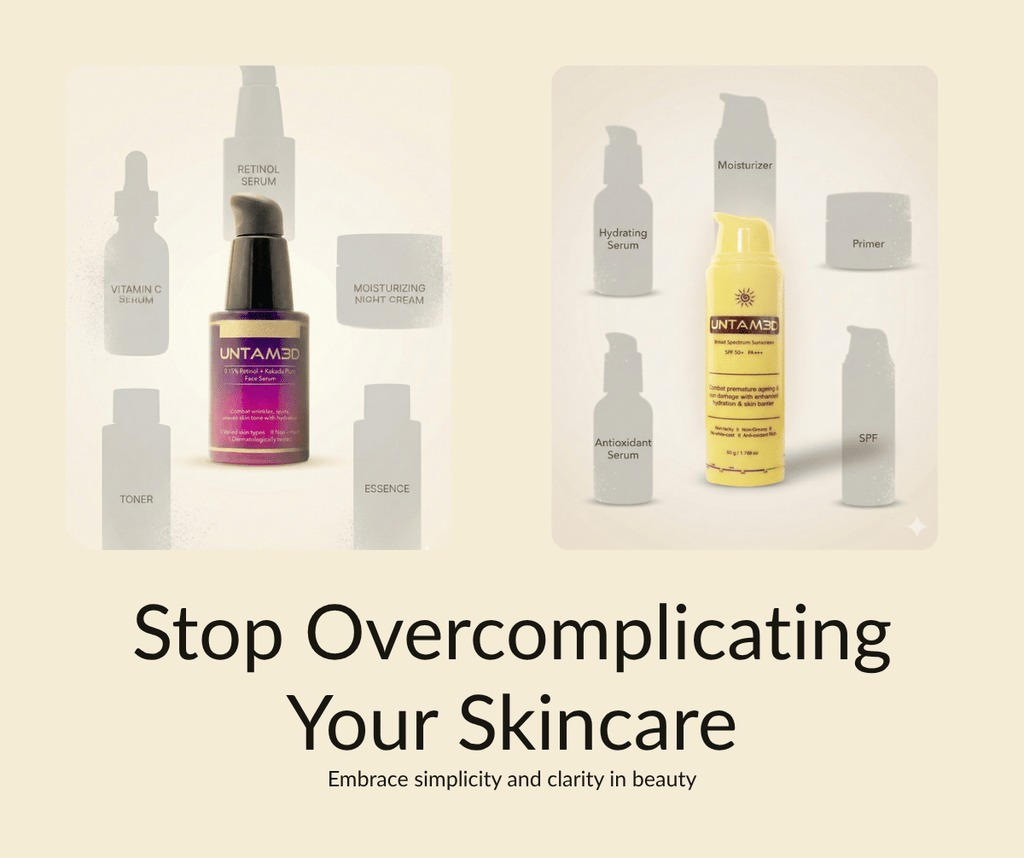
This isn't about avoiding actives entirely—they're essential for skin health and aging prevention. It's about intelligent use. Your barrier is your skin's foundation. When it's healthy, actives work beautifully and your skin is resilient. When it's damaged, even gentle products trigger irritation. UNTAM3D's 2-step approach supports barrier health by eliminating the over-complicated routines that damage it. Two well-formulated products—our Retinol + Kakadu Plum Face Serum (₹1,199) for renewal and Broad Spectrum Sunscreen SPF 50+ PA+++ (₹999) for protection—replace the 10-step regimens that compromise barrier function. This simplicity, combined with patient introduction of actives, is how healthy skin is built.
Frequently Asked Questions
Can I use any moisturizer during barrier repair, or must it be ceramide-rich?
While any moisturizer is better than none, ceramide-containing moisturizers accelerate repair. Ceramides directly replace the depleted lipids causing barrier dysfunction. Other moisturizers with glycerin or hyaluronic acid provide hydration but don't address the lipid deficit. For active repair, choose a moisturizer with ceramides in the top 5 ingredients. Once your barrier is healthy, other moisturizers work fine.
How do I know my barrier is healing versus just temporarily improved?
True healing is progressive and stable. If sensitivity decreases daily over 1-2 weeks, that's healing. If it fluctuates—better one day, reactive the next—you're likely still triggering it with products or practices. Healing is also accompanied by gradual skin texture improvement and reduced redness. A healed barrier tolerates single actives (retinol alone, vitamin C alone) without irritation. If sensitivity returns when you reintroduce a single product, your barrier wasn't fully healed.
Is niacinamide safe during barrier repair?
Yes, niacinamide (vitamin B3) at 4-5% actually supports barrier repair. It reduces inflammation and strengthens lipid production. It's one of the few actives safe during recovery. However, some people with severely compromised barriers find even niacinamide irritating initially. If this occurs, simplify further and reintroduce niacinamide after 1-2 weeks of basic repair.
Do I need to stop sunscreen during barrier repair?
No—sunscreen is essential during repair. UV damage degrading lipids would undo your repair efforts. However, choose a sunscreen formulated to support barrier health, like UNTAM3D's Broad Spectrum SPF 50+ PA+++, which includes ceramides and phospholipids. Avoid heavy, occlusive sunscreens that feel suffocating to damaged skin. A barrier-supporting sunscreen actually accelerates recovery by preventing further UV-induced lipid degradation.
Once my barrier heals, will it stay healthy?
Barrier health requires ongoing maintenance through gentle practices and consistent sun protection. A healed barrier is resilient but not indestructible. If you resume the habits that damaged it (daily exfoliation, multiple actives nightly, harsh cleansing), it will degrade again. Most people who repair their barriers once understand the importance and maintain gentler practices permanently. The barrier is like fitness—health requires consistent practices, but it becomes automatic once you understand its importance.
Sources: Journal of the American Academy of Dermatology research on skin barrier function and ceramide replacement; Dermatologic Surgery studies on stratum corneum architecture and lipid composition; Journal of Cosmetic Dermatology research on barrier repair timelines; Archives of Dermatology research on transepidermal water loss and barrier dysfunction.
RECENT POSTS