How Pollution Damages Your Skin (And What Actually Helps)
What Pollution Actually Does to Your Skin (And How to Fight Back)
Air pollution doesn't just affect your lungs—it actively damages your skin through multiple mechanisms that accelerate aging and create visible skin problems. Pollution particles, including particulate matter (PM2.5 and PM10), nitrogen dioxide, sulfur dioxide, and ozone, settle on your skin and penetrate pores, triggering inflammation, oxidative stress, and collagen breakdown. This process accelerates wrinkle formation, causes hyperpigmentation, disrupts your skin barrier, and exacerbates acne and sensitivity. The damage occurs both from direct particle deposition and from the free radicals these pollutants generate on your skin's surface. In India, where air quality fluctuates significantly and major cities experience severe pollution during winter months, understanding and protecting against pollution damage is essential. The solution isn't complex: broad-spectrum sun protection with antioxidant support, consistent cleansing to remove particles, and barrier-supporting products create a defense against pollution while allowing your skin to heal from existing damage.
How Pollution Particles Actually Damage Skin at the Cellular Level
The mechanism of pollution damage begins the moment particles settle on your skin. Air pollution contains particulate matter—tiny particles small enough to penetrate pores and remain trapped on your skin even after basic cleansing. These particles include dust, soot, industrial compounds, and vehicle emissions that carry toxic substances. Unlike larger debris that sits on the skin surface, PM2.5 particles are so small they can lodge deep within pores and persist for hours, creating a chronic irritation problem that intensifies throughout the day.
Once trapped in pores, these particles trigger an inflammatory response. Your skin recognizes them as foreign substances and activates immune pathways to eliminate them, causing localized inflammation that appears as redness, sensitivity, and sometimes pustules or cystic breakouts. This inflammation isn't a one-time event; it's cumulative. Over weeks and months of exposure to polluted air, repeated inflammatory episodes damage the skin barrier, deplete antioxidant reserves, and disrupt the proteins responsible for skin firmness and elasticity.
The oxidative damage component is equally damaging. Pollution particles and atmospheric pollutants like ozone generate free radicals when they interact with your skin. Free radicals are unstable molecules that steal electrons from healthy skin cells, causing a chain reaction of cellular damage. This oxidative stress depletes your skin's natural antioxidant defenses (like glutathione and vitamin E), leading to collagen cross-linking, which makes skin rigid and prone to wrinkles. Over time, this results in premature aging that appears as fine lines, loss of elasticity, and a dull, tired complexion.
Additionally, pollution interferes with your skin's natural renewal process. Healthy skin sheds dead cells and replaces them with new ones approximately every 28 days. When pollution particles block this renewal process by clogging pores and triggering chronic inflammation, damaged cells persist longer on your skin surface. This creates a vicious cycle: older, damaged cells remain visible; new cells emerge into an inflammatory environment; and the overall skin appearance becomes progressively dull and compromised.
Understanding AQI: What Your City's Air Quality Actually Means for Your Skin
The Air Quality Index (AQI) measures pollution concentration in your local air, but most people don't understand what specific AQI numbers mean for their skin. In India, the AQI scale ranges from 0-500, with different ranges indicating different pollution levels and associated health risks. Understanding this scale helps you adjust your skincare strategy based on current pollution conditions.
When AQI is below 100 (Good to Moderate), your skin faces minimal direct pollution stress, though long-term cumulative exposure still requires protection. This is the ideal condition for focused skincare treatments and active ingredients that might cause irritation in more challenging conditions. Your skin barrier is less reactive, and products like retinol serums and mild exfoliants work optimally.
When AQI ranges from 101-200 (Poor), pollution damage becomes pronounced. Particles are visibly suspended in air, and your skin accumulates significant pollution burden. At this level, your skin barrier becomes reactive and stressed, making it more susceptible to irritation from active ingredients. Your skincare priority shifts toward barrier protection, cleansing, and antioxidant support rather than aggressive treatments.
When AQI exceeds 200 (Very Poor to Hazardous), pollution damage becomes acute. Many Indian cities experience this level during winter months (October-February), particularly Delhi, Bangalore, and industrial areas. At this level, your skin experiences visible reactions: increased sensitivity, breakouts, dullness, and rapid barrier compromise. Skincare becomes defensive: prioritize thorough cleansing to remove particles, avoid irritating actives, use broad-spectrum sun protection with antioxidants, and support barrier repair with hydrating, calming products.
The relationship between AQI and skin aging is dose-dependent: higher pollution exposure accelerates visible aging. Studies from pollution-heavy regions like Delhi show that people living in high-AQI areas exhibit more pronounced age-related skin changes than those in lower-pollution areas, with measurably accelerated signs of aging observed in high-pollution populations. This isn't inevitable—protection strategies significantly mitigate this damage.
Specific Pollutants and Their Direct Skin Effects
Different pollutants cause distinct skin damage through different mechanisms. Particulate matter (PM2.5 and PM10) creates the bulk of physical damage by clogging pores and triggering inflammation. These particles are visible under high magnification and demonstrate why thorough cleansing is non-negotiable in polluted environments.
Nitrogen dioxide (NO2), primarily from vehicle emissions and industrial sources, creates oxidative stress by generating free radicals on your skin. NO2 depletes natural antioxidants, making skin more vulnerable to all other forms of damage. Sulfur dioxide (SO2), from coal burning and industrial processes, is similarly problematic, creating acidity on the skin surface and triggering sensitivity and barrier disruption.
Ozone (O3), a secondary pollutant created when sunlight interacts with ground-level pollutants, is particularly damaging. Ozone directly attacks skin lipids and proteins, weakening the barrier and accelerating wrinkle formation. This is why days with high ozone levels (common in afternoons during summer) show increased skin sensitivity and irritation. Polycyclic aromatic hydrocarbons (PAHs), present in vehicle exhaust and industrial emissions, are known carcinogens that also generate significant oxidative stress.
Heavy metals in pollution—including lead, cadmium, and arsenic—accumulate in skin and trigger inflammation and oxidative stress. These metals interfere with normal skin enzyme function and can cause darkening and uneven pigmentation. This explains why hyperpigmentation and dark spots are particularly common in pollution-exposed skin.
Why Your Standard Skincare Isn't Enough Against Pollution
Many people apply their regular moisturizer and think they're protected from pollution. In reality, standard moisturizers, while important for hydration, don't address pollution defense. A typical moisturizer is occlusive—it seals moisture in—but this also seals pollution particles in. Without proper cleansing and antioxidant protection, your moisturizer can paradoxically trap pollution on your skin surface, intensifying damage.
Similarly, basic cleansing with regular face wash isn't sufficient. Standard surfactants remove surface oil and some debris, but they don't effectively eliminate fine pollution particles lodged in pores. You need double cleansing (an oil-based cleanser followed by a water-based one) to truly remove pollution burden, or specialized cleansing products designed for high-pollution environments.
Sun protection becomes even more critical in polluted environments, yet many people skip it or use inadequate SPF levels. While UV protection is standard skincare, in polluted areas sun protection serves an additional function: it prevents pollution particles from triggering additional oxidative damage through photo-oxidation. A mineral sunscreen with physical blockers provides both UV protection and some particle deflection, making it invaluable in pollution defense.
What's missing from standard routines is antioxidant support—the one ingredient category that directly counteracts pollution damage. Antioxidants neutralize free radicals generated by pollution before they damage your skin. Without them, even perfect cleansing and sun protection are incomplete, because you're not addressing the free radical damage occurring on your skin surface.
Building a Pollution-Defense Skincare Strategy
A complete anti-pollution skincare approach operates on three principles: effective particle removal, antioxidant protection, and barrier support. The sequence and product selection matter significantly in high-pollution environments.
Start with thorough cleansing that actually removes pollution particles. This means double cleansing: an oil-based cleanser first, which dissolves the lipid-coated pollution particles and excess sebum, followed by a gentle water-based cleanser to remove remaining residue. This two-step cleansing is non-negotiable if you live in an area with AQI above 150. The oil-based step is crucial because pollution particles are often coated in oxidized oils that water alone cannot dissolve.
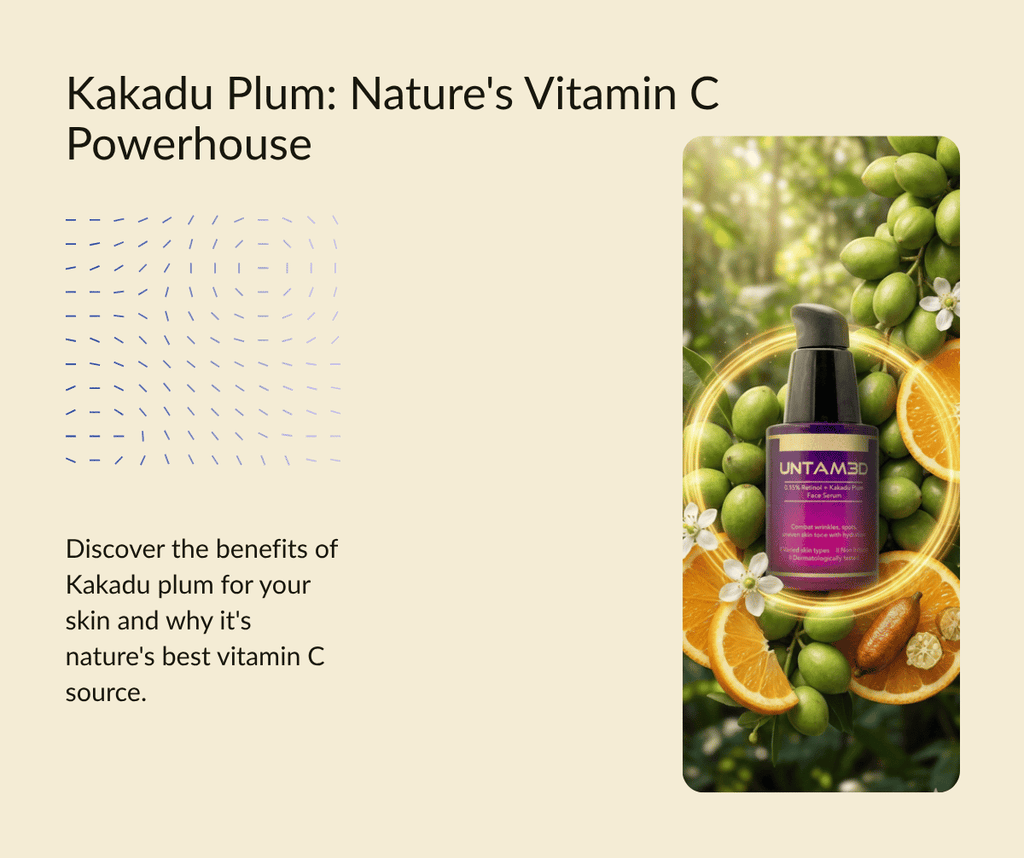
Follow cleansing with antioxidant protection—this is where serums deliver maximum value. A serum containing antioxidants like vitamin C (ascorbic acid), EGCG from green tea, vitamin E, or botanical antioxidants directly neutralizes free radicals generated by pollution exposure. These actives penetrate deeply and persist in skin, providing continuous protection against oxidative damage. The Retinol + Kakadu Plum Face Serum delivers this protection through Kakadu Plum's high vitamin C content and EGCG from green tea—both powerhouse antioxidants that neutralize pollution-generated free radicals while supporting collagen production.
Always apply broad-spectrum sunscreen, preferably SPF 50+ PA+++. In polluted environments, mineral sunscreens with zinc oxide or titanium dioxide provide slight additional benefit, as their larger particle size may deflect some pollution particles. However, even chemical sunscreens provide adequate UV protection; the formulation should prioritize both UVA and UVB coverage. This sunscreen application shouldn't be negotiable—UV damage and pollution damage compound each other, making sun protection even more critical in polluted areas.
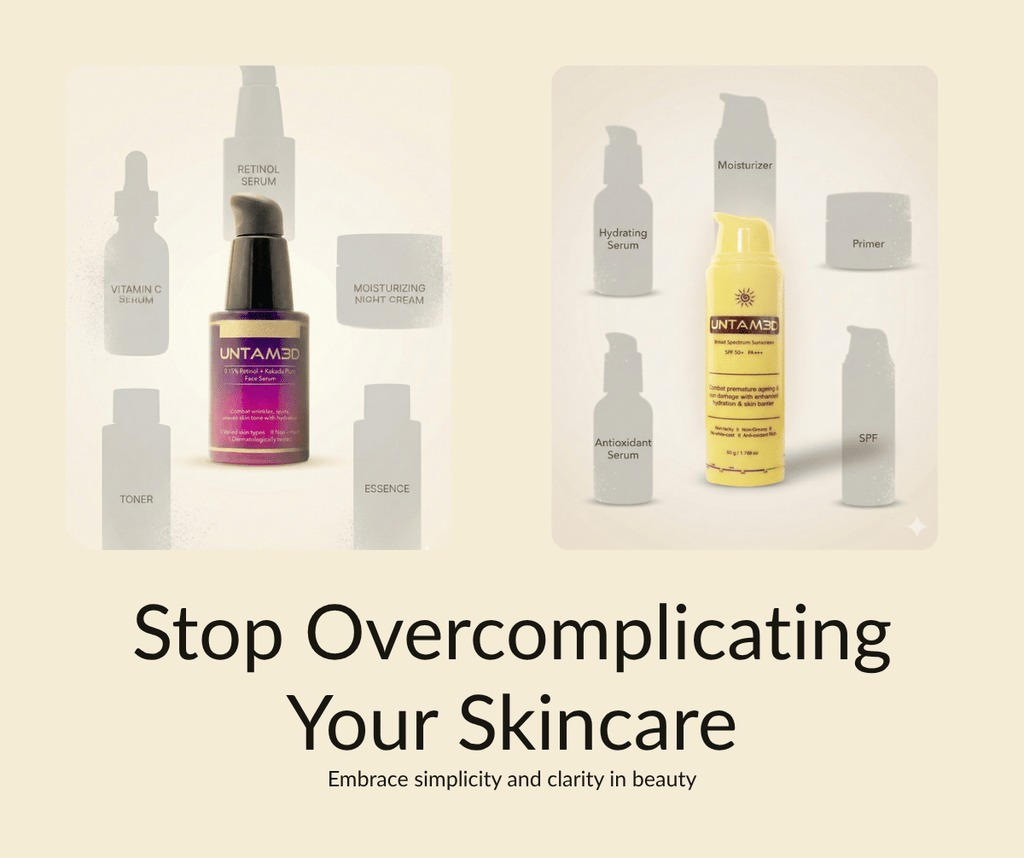
Support your skin barrier with a good moisturizer applied after serums and sunscreen. The moisturizer seals in your treatment products and prevents transepidermal water loss, which is elevated in polluted environments due to barrier stress. A moisturizer with barrier-supporting ingredients like ceramides and phospholipids is ideal in high-pollution conditions. The anti-routine philosophy applies here: these three steps—cleanse thoroughly, apply antioxidant serum, apply sunscreen and moisturizer—replace more complicated pollution-defense routines and deliver measurable protection.
UNTAM3D's Climate-Aware Approach to Pollution
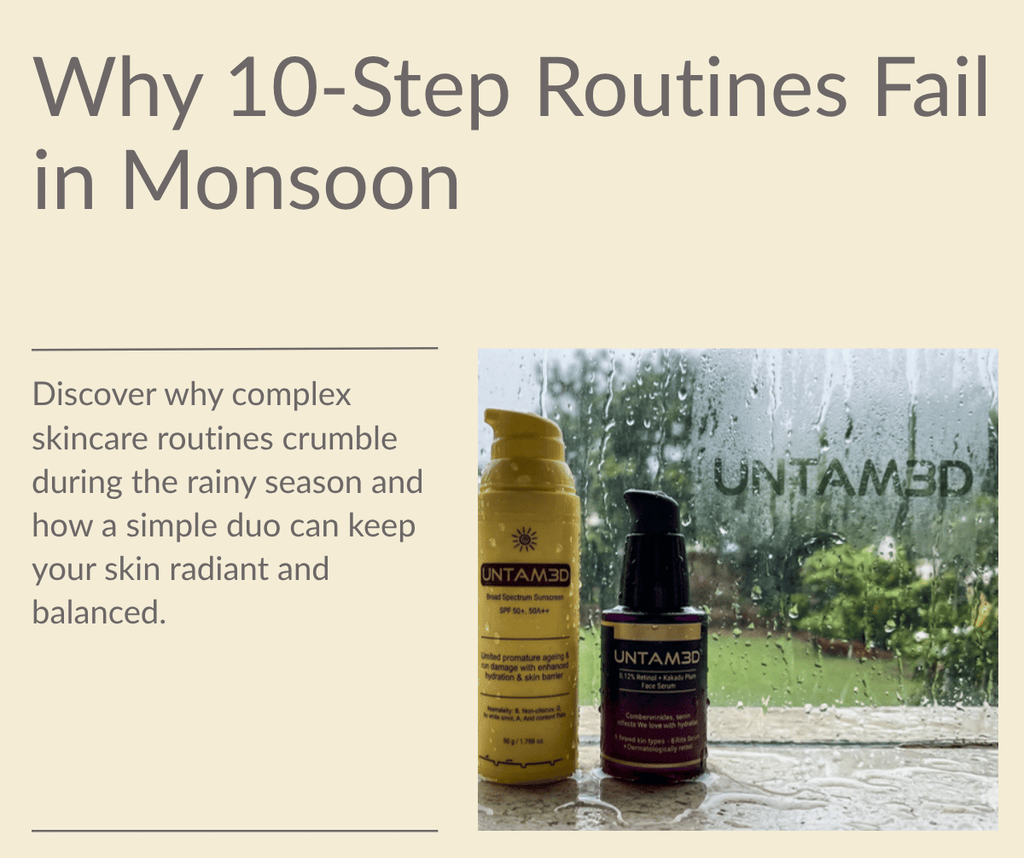
UNTAM3D was founded with the recognition that climate and environmental factors—including pollution—profoundly affect skin health. The Retinol + Kakadu Plum Face Serum exemplifies this climate-aware philosophy by combining retinol (essential for repairing pollution-damaged collagen) with Kakadu Plum, a native Australian superfruit extraordinarily rich in vitamin C, and EGCG from green tea extract. Together, these ingredients create a comprehensive anti-pollution arsenal: retinol addresses damage already done through collagen stimulation, while the antioxidants neutralize ongoing free radical damage from pollution exposure. Paired with the Broad Spectrum Sunscreen SPF 50+ PA+++, which provides both UV and broad-spectrum barrier protection, this anti-routine addresses pollution comprehensively without complexity. The sunscreen's ceramides and phospholipids additionally support barrier integrity that pollution compromises. UNTAM3D's philosophy recognizes that modern skincare isn't about following prescriptive routines—it's about addressing your specific climate and environmental reality. In India's variable pollution landscape, this means products designed to protect against documented pollution damage while allowing your skin to repair and thrive.
Practical Pollution Defense Adjustments for Different Seasons
Pollution exposure varies dramatically by season in India. Winter months (October-February) bring severe pollution in northern India due to agricultural burning, decreased wind dispersion, and temperature inversions that trap pollutants at ground level. During this period, AQI frequently exceeds 300, reaching hazardous levels. Your skincare must become more defensive during these months: increase cleansing frequency, prioritize antioxidant serums, and consider additional barrier support through heavier moisturizers or facial oils.
Summer brings lower AQI in many regions but increased UV intensity. Your pollution-defense strategy in summer emphasizes sun protection while maintaining antioxidant support. The focus shifts from extreme barrier protection to lightweight formulations that won't feel heavy in heat. A lightweight antioxidant serum and a gel or water-based sunscreen provide adequate protection without the heaviness that can trigger breakouts in summer pollution.
Monsoon season (June-September) typically brings improved air quality through increased rainfall and wind patterns that disperse pollutants. However, humidity creates different skin challenges: increased oil production, compromised barrier from moisture, and enhanced bacterial growth. During monsoon, your focus shifts from pollution defense to managing increased breakouts and sensitivity. Lighter products that provide antioxidant protection without heavy occlusion work better.
Spring (March-May) transitions between winter and summer patterns. In some regions, agricultural burning in neighboring states creates sporadic high-pollution episodes. Your skincare during spring should remain flexible, adjusted based on daily AQI levels. This is where the anti-routine approach shines: a single potent serum and adaptive moisturizer selection allows you to maintain consistent protection while adjusting intensity based on real-time pollution data.
Long-Term Repair: Addressing Existing Pollution Damage
If you've experienced years of pollution exposure—particularly if you live in a major Indian city where pollution is chronic—your skin has accumulated damage that requires strategic repair. This damage appears as premature wrinkles, uneven pigmentation, hyperpigmentation and dark spots, compromised barrier function, and chronic sensitivity. Repair requires a two-pronged approach: stopping ongoing damage (through prevention) and actively reversing existing damage.
Retinol, the gold standard for skin repair, becomes essential in pollution-damaged skin. Retinol increases cell turnover, stimulates collagen production, and gradually improves texture and fine lines caused by pollution-accelerated aging. However, retinol requires a healthy barrier to work well; you must first support barrier repair through consistent moisturization and antioxidant protection before introducing or increasing retinol concentration. The Retinol + Kakadu Plum Face Serum provides this retinol in a formulation that includes antioxidant support, addressing both repair and ongoing protection simultaneously.
Hyperpigmentation from pollution requires vitamin C, specifically l-ascorbic acid, which inhibits tyrosinase—the enzyme responsible for melanin production. Kakadu Plum is one of nature's richest sources of bioavailable vitamin C, making serums containing it particularly effective for addressing pollution-related pigmentation. Combined with sun protection (to prevent new pigmentation), vitamin C serums gradually fade existing dark spots and prevent new ones.
Barrier repair requires consistency more than complexity. A simple routine of cleanse-serum-moisturizer-sunscreen, applied daily, will gradually restore barrier function even in previously compromised skin. Expect improvement over 6-8 weeks, with more dramatic improvements appearing at the 12-week mark. The anti-routine approach makes this commitment sustainable—you're not juggling ten products that create confusion and fatigue, but maintaining two focused products that deliver measurable repair.
Frequently Asked Questions
Does pollution damage skin immediately, or is it a long-term concern?
Both. Immediate damage occurs through acute inflammation—pollution particles trigger visible irritation, redness, and breakouts often within hours. However, the most significant damage is cumulative and long-term: repeated inflammatory episodes, chronic free radical generation, and barrier disruption progressively accelerate aging. A single day in severely polluted air (AQI 400+) might cause visible irritation that resolves in days. However, months and years in moderately polluted environments (AQI 150-250, common in many Indian cities) accumulate damage that appears as premature aging, persistent hyperpigmentation, and compromised barrier function. This is why consistent protection is more important than intensive acute care—you're preventing the cumulative damage that creates lasting changes.
Is mineral sunscreen better than chemical sunscreen for pollution protection?
Mineral sunscreens (containing zinc oxide or titanium dioxide) provide slight additional benefit in high-pollution environments because their opaque mineral particles may deflect some pollution particles, in addition to blocking UV. However, both mineral and chemical sunscreens provide equivalent and adequate UV protection, and either is acceptable. The choice should depend on your skin type and personal preference. Mineral sunscreens can feel heavier and may leave white cast, particularly in darker skin tones. Chemical sunscreens are lighter and more elegant but provide no particle deflection benefit. The most important factor is choosing SPF 50+ with broad-spectrum UVA/UVB coverage and using it consistently—the protection difference between mineral and chemical is minor compared to the major difference between using and not using sunscreen.
How often should I cleanse in a highly polluted environment?
In very high pollution conditions (AQI above 200), cleansing twice daily—morning and evening—is appropriate to remove accumulated pollution particles. However, this must be balanced against over-cleansing, which can strip your skin barrier and cause dryness. The solution is double cleansing in the evening (oil cleanse followed by gentle water-based cleanse) to thoroughly remove pollution buildup, then gentle cleansing in the morning with just water or a very mild cleanser. If you exercise outdoors in high pollution, an additional light cleanse after exercise is reasonable to remove fresh pollution accumulation. The goal is removing actual particles without drying skin to the point of compromising barrier function.
Can air filters or masks prevent pollution skin damage?
N95 or N99 masks provide excellent protection when worn properly, particularly during severe pollution episodes (AQI above 300). However, masks cannot be worn constantly, and areas under the mask can experience increased moisture and bacteria growth, creating breakouts. Air filters in your home and workspace help reduce overall exposure during your time indoors. The most practical approach combines environmental protection (using masks when necessary, spending time indoors during peak pollution hours, using air purifiers) with skincare protection (cleansing, antioxidants, sun protection). Skincare cannot fully compensate for extreme pollution exposure, but it effectively mitigates damage from moderate pollution and from outdoor time when masks aren't practical.
Does everyone in a polluted city experience pollution-related skin damage?
No. Genetic factors, skin barrier strength, and individual antioxidant capacity create significant variation in pollution sensitivity. Some people living in highly polluted areas show minimal visible damage, while others develop accelerated aging and chronic sensitivity. This variation likely reflects differences in skin barrier integrity, antioxidant enzyme expression, and inflammatory response patterns. However, everyone benefits from pollution protection regardless of individual sensitivity. Those genetically resilient still experience cumulative damage from chronic exposure; they simply show it later. The anti-routine approach of consistent cleansing, antioxidant support, and sun protection benefits all skin, making it valuable preventive care even for those not showing visible pollution sensitivity.
Sources and Further Reading
- Environmental Health Perspectives: "Ambient Air Pollution and Skin Aging"
- International Journal of Dermatology: "Particulate Matter-Induced Skin Inflammation and Barrier Disruption"
- Journal of Investigative Dermatology: "Oxidative Stress Biomarkers in Pollution-Exposed Urban Populations"
- Chemosphere: "Heavy Metal Accumulation in Urban Dermal Tissue"
- Air Quality Index - India Meteorological Department (AQI classification and regional data)
Protect your skin against pollution with science-backed defense products.
Discover Anti-Pollution SkincareRECENT POSTS