Can You Use Retinol and Vitamin C Together?
Can You Use Retinol and Vitamin C Together? The Science Says Yes
Published April 1, 2026 · 7 min read · By UNTAM3D
The short answer: Yes, you can absolutely use retinol and vitamin C together, and when done correctly, this pairing creates one of skincare's most powerful combinations. For years, conventional wisdom suggested these two actives were incompatible—that mixing them would render both ineffective or cause severe irritation. That myth has been thoroughly debunked by modern dermatology research. The combination actually works synergistically, with each ingredient enhancing the other's benefits while maintaining stability and tolerability.
Retinol works by binding to retinoid receptors in skin cells, accelerating cell turnover and stimulating collagen production. Vitamin C (ascorbic acid or its derivatives) acts as an antioxidant and collagen synthesis booster, while also brightening skin and evening tone. Together, they address multiple layers of skin health—retinol renews structure from within while vitamin C protects and illuminates from the surface. The key to this powerful partnership isn't avoiding them together; it's understanding the pH dynamics and application timing that make them work harmoniously.
How Do Retinol and Vitamin C Actually Work Together?
The chemistry here is elegant. Vitamin C is most effective at pH levels between 2.5 and 3.5, which is acidic. Retinol, conversely, has a neutral optimal pH range. When properly formulated, stabilized vitamin C and retinol can complement each other's mechanisms. Dermatological research supports that combining antioxidant protection (vitamin C) with cellular renewal (retinol) produces visible improvements in fine lines, tone, and texture that exceed what either ingredient achieves independently.
The synergy stems from their complementary mechanisms. Retinol focuses on cellular renewal—it measurably accelerates skin cell turnover compared to untreated skin. Vitamin C, meanwhile, protects these newly exposed cells from oxidative stress while simultaneously boosting their collagen production capacity. This is particularly valuable because retinization (the skin's adjustment period to retinol) can temporarily increase sensitivity. Vitamin C's antioxidant shield minimizes irritation during this critical phase, making the combination gentler than using retinol alone.
What About the Myth That They Deactivate Each Other?
This persistent myth likely originated from combining poorly formulated products or using them in immediate succession. Early sunscreen products containing vitamin C were notoriously unstable, and mixing them with retinol in degraded formulations did indeed reduce efficacy. However, modern cosmetic chemistry has solved this problem. Stabilized vitamin C derivatives like magnesium ascorbyl phosphate and tetrahexyldecyl ascorbate remain effective across a much wider pH range and are far more stable when combined with other actives.
The real issue was never the ingredients themselves—it was formula instability. A well-formulated vitamin C serum followed by a well-formulated retinol product doesn't cause deactivation. The key is allowing adequate time between application (15+ minutes) so the skin's pH normalizes before retinol is applied, since retinol performs optimally at a more neutral pH. This sequencing approach is why dermatologists have increasingly begun recommending this pairing for advanced anti-aging protocols.
The Right Way to Layer Retinol and Vitamin C
Application order matters, though not for the reasons many believe. The most effective approach follows this sequence: cleanse, apply vitamin C serum to completely dry skin, wait 15 minutes, then apply retinol. This gives the vitamin C time to lower skin pH and establish its antioxidant barrier. When retinol is applied afterward, it benefits from this protective layer while penetrating effectively into skin layers below.
Frequency matters equally. If you're new to retinol, don't combine it with vitamin C immediately. Begin with retinol alone, 2-3 times weekly, for 2-4 weeks. This allows your skin barrier to acclimatize to retinization. Once your skin tolerates retinol without irritation, introduce vitamin C serum on non-retinol nights, then gradually combine them. Advanced users can safely apply both nightly once tolerance is established. Never combine these actives on the same night when you're still in the adaptation phase—patience prevents sensitization.
Does Formulation Matter More Than You Think?
Yes, profoundly. A generic vitamin C serum paired with basic retinol likely won't deliver the synergistic benefits we've discussed. The vitamin C derivative matters: L-ascorbic acid is most researched but requires strict pH and storage conditions; stabilized derivatives are more practical for home use. Similarly, retinol form matters—retinyl palmitate (a pro-retinol) requires skin conversion and is gentler; pure retinol is more potent but requires careful introduction.
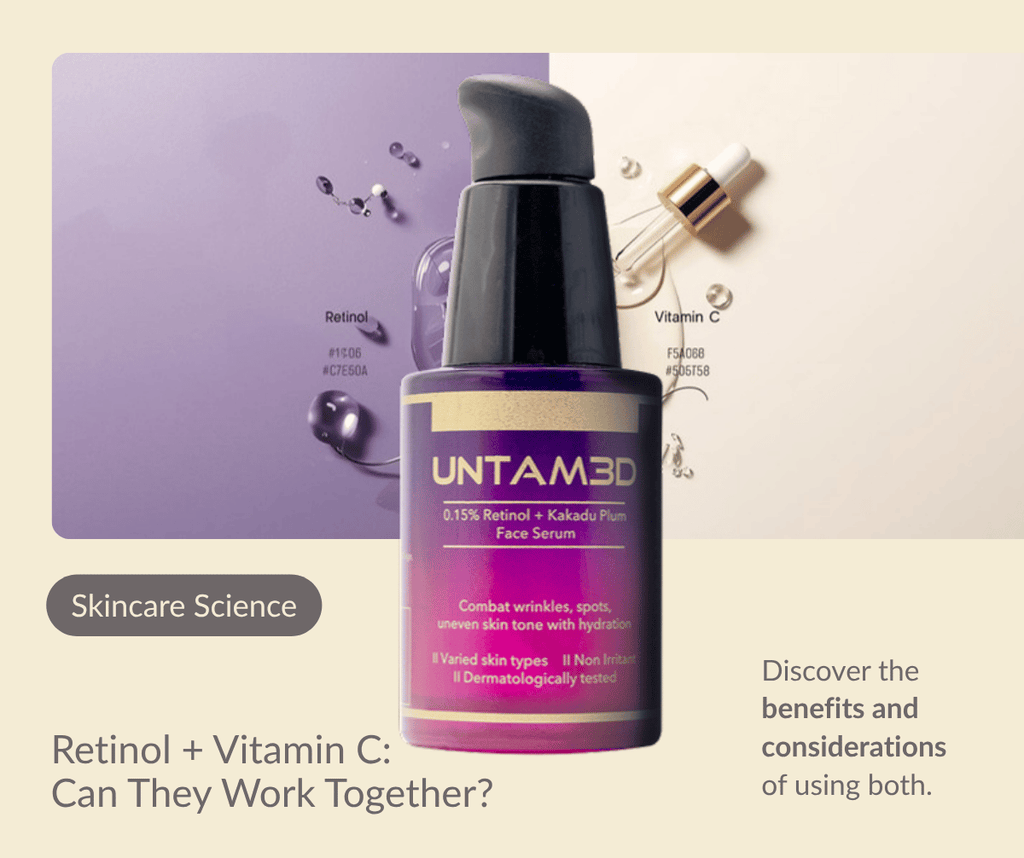
UNTAM3D's Retinol + Kakadu Plum Face Serum combines retinol with Kakadu plum—nature's richest source of vitamin C (55 times more concentrated than oranges), alongside EGCG from green tea. This formulation was specifically developed to stabilize retinol while delivering multiple antioxidant benefits. The inclusion of Kakadu plum wasn't arbitrary; this ingredient creates a synergistic triple-action system. Retinol handles cellular renewal, while both kakadu plum and green tea extract provide antioxidant protection and skin brightening. This is why combining our serum with a separate vitamin C product is redundant—the formulation already contains the vitamin C your skin needs, in the most bioavailable form.
The UNTAM3D Approach
UNTAM3D replaces complexity with intelligence. Rather than buying a separate retinol and a separate vitamin C product and experimenting with layering protocols, our Retinol + Kakadu Plum Face Serum delivers proven ingredient synergy in one serum. Kakadu plum provides 55x the vitamin C concentration of citrus, while green tea extract (EGCG) adds polyphenol antioxidant protection. This is the 2-step philosophy in action: one serum replaces the need for multiple products.
The serum is dermatologically tested and formulated for varied skin types, meaning it delivers retinol's transformative benefits without requiring separate vitamin C addition. Combined with UNTAM3D's Broad Spectrum Sunscreen SPF 50+ PA+++, you have an anti-aging system designed for real life—minimal steps, maximum science, zero unnecessary complexity. The serum retails at ₹1,199, and though currently sold out, you can pre-order through untam3d.in to secure yours.
Who Should Use This Combination?
Anyone concerned with visible aging, fine lines, uneven tone, or skin texture. The retinol-vitamin C pairing is particularly effective for those over 30 when collagen depletion accelerates. Interestingly, this combination is gentler than using high-dose retinol alone, making it suitable for sensitive skin types—provided you introduce it gradually. Those with active acne or severe inflammation should consult a dermatologist before starting, though retinol's cell-turnover benefits can help prevent comedonal acne long-term.
What About Other Actives? Can You Use Vitamin C and Retinol With Niacinamide, AHAs, or BHAs?
Yes, with timing considerations. Niacinamide is remarkably compatible with both—apply it before retinol as a buffering layer on sensitive skin. Hydroxy acids (AHAs/BHAs) should be used on alternate nights when starting out; both are exfoliating and can compound irritation if used with retinol nightly. Once skin is accustomed (typically after 8-12 weeks), nightly retinol can be combined with low-dose AHA, but avoid combining all three simultaneously until you have months of tolerance established.
The Timeline: When Will You See Results?
Retinol produces results gradually but visibly. Most users notice improved texture within 4 weeks, visible brightening by week 6, and significant fine-line reduction by 12 weeks. Vitamin C's brightening effects appear faster—often within 2-3 weeks—though its deep structural benefits develop over months. When combined, the timeline is roughly: weeks 1-2 (possibly some sensitivity), weeks 3-4 (texture improvement), weeks 6-8 (visible brightening and firming), and weeks 12+ (substantial anti-aging transformation).
Frequently Asked Questions
Can I use vitamin C and retinol in the morning and evening?
Not on the same night when starting out. Apply vitamin C in the morning (always followed by SPF), and retinol at night. Once your skin has adapted (4+ weeks), you can use both nightly if desired, though many dermatologists recommend alternating for maximum tolerability and to preserve skin barrier health.
Will retinol and vitamin C make my skin dry or irritated?
Both actives can cause initial dryness or mild irritation during the adaptation phase—this is normal. Starting slowly (retinol 2x weekly) minimizes this. The combination actually becomes gentler than retinol alone once vitamin C's antioxidant protection is established. Always use a good moisturizer and sunscreen (SPF 50+ is non-negotiable with retinol).
Is it better to use a combination serum or separate products?
This depends on formulation quality. A well-formulated combination serum like UNTAM3D's delivers optimal stability and synergy, plus simplicity. Separate high-quality products can work equally well if you're willing to follow proper layering protocols and wait between applications. UNTAM3D's approach eliminates guesswork.
Can pregnant or breastfeeding women use this combination?
Retinol (especially in high concentrations) is typically avoided during pregnancy due to theoretical systemic absorption concerns, though topical retinol's risk is debated. Vitamin C is considered safe throughout pregnancy. Consult your OB-GYN before starting any retinol product while pregnant or breastfeeding.
What SPF should I use with retinol and vitamin C?
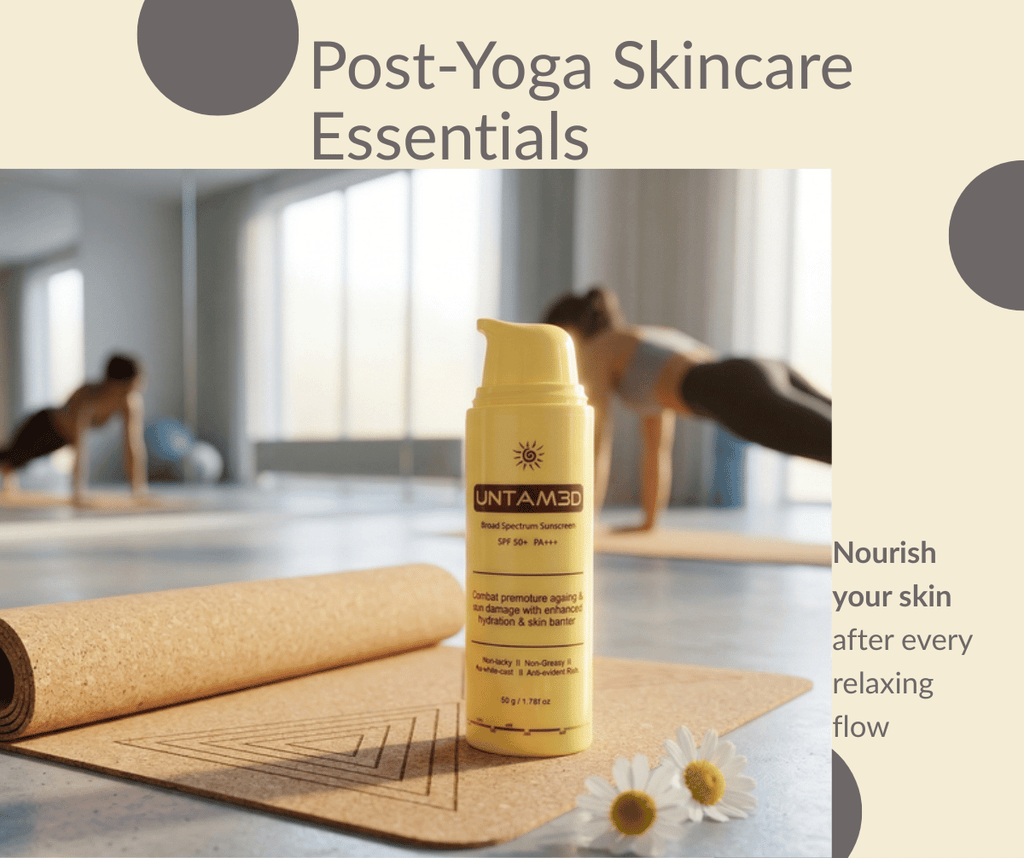
SPF 50+ is essential—retinized skin is more UV-sensitive, and vitamin C can increase photosensitivity slightly. UNTAM3D's Broad Spectrum Sunscreen SPF 50+ PA+++ provides superior protection without the greasiness or white cast that can discourage daily use, making it the ideal pairing for any retinol routine.
Sources: International Journal of Cosmetic Science research on retinoid efficacy; Dermatologic Surgery studies on stabilized ascorbic acid formulations; Dermatological research on antioxidant-retinoid combination protocols; Kakadu plum vitamin C concentration data from Australian agricultural research.
RECENT POSTS