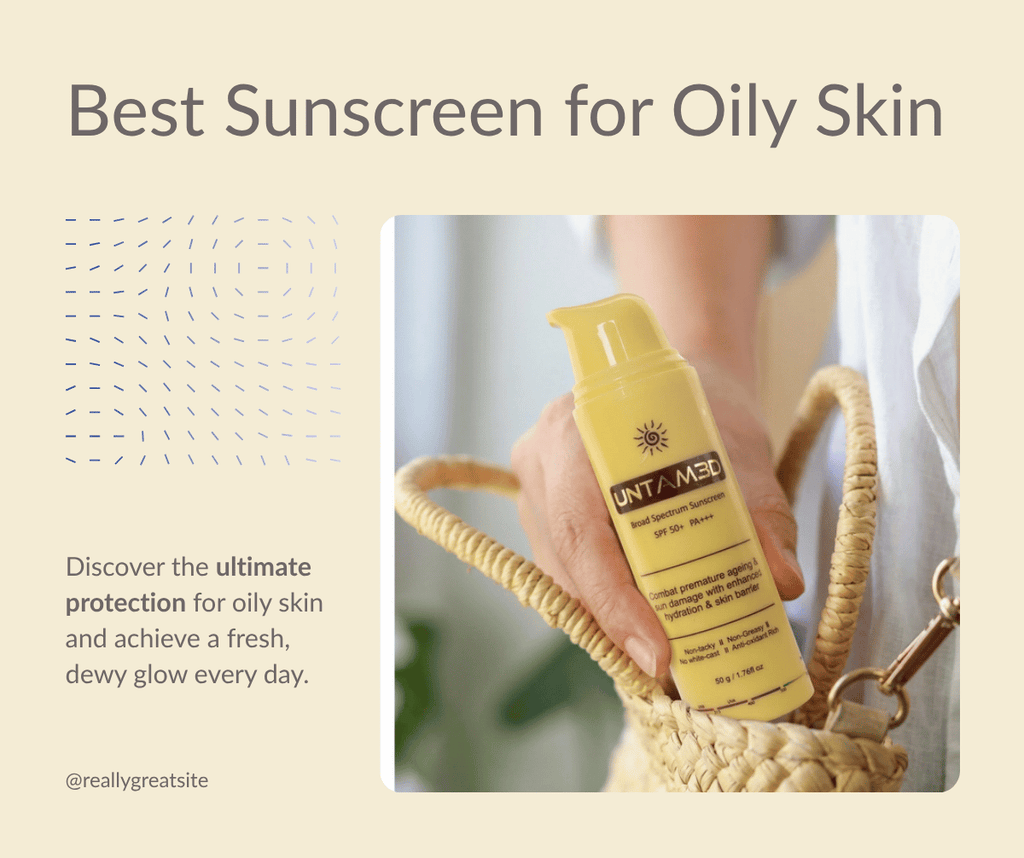
Best Sunscreen for Oily Skin: No White Cast, No Grease
Best Sunscreen for Oily Skin in India: A Dermatologist-Backed Guide
Published April 1, 2026 · 9 min read · By UNTAM3D
The most common misconception about oily skin and sunscreen is that protection requires choosing between adequate sun defense and wearable texture. This false choice drives many with oily skin to either skip sunscreen (risking significant photodamage) or apply sunscreen inconsistently (undermining its protective efficacy). The reality, confirmed by dermatological evidence, is straightforward: effective SPF 50+ PA+++ sunscreen suitable for oily skin exists and doesn't require sacrificing protection for comfort. The challenge isn't finding such formulations; it's understanding which characteristics make them work for oily, congestion-prone skin. Oily skin's unique needs—sebum control without over-drying, broad spectrum protection without occlusion, lightweight texture without sacrificing efficacy—require specific formulation approaches. A sunscreen ideal for dry skin may feel unbearable on oily skin; conversely, a formulation optimized for oily skin won't provide adequate nourishment for dry skin. UNTAM3D's Broad Spectrum Sunscreen SPF 50+ PA+++ addresses oily skin's specific requirements through emollient selection, sebum-balancing ingredients, and texture engineering that delivers full protection without greasiness or white cast.
Why Oily Skin Demands Specific Sunscreen Formulation
Oily skin produces excess sebum—a protective lipid that serves essential functions but becomes problematic at high concentrations. Sebum creates an occlusive layer on skin, but excessive sebum clogs follicles, promotes bacterial proliferation, and creates an environment conducive to acne and fungal overgrowth. Traditional sunscreen formulations, designed primarily for dry skin, often emphasize occlusive emollients (heavy oils, butters) that amplify sebum-related problems on oily skin.
Adding a traditional, occlusive sunscreen to already-oily skin exacerbates congestion. The sebum + sunscreen combination becomes a suffocating film that traps bacteria and promotes breakouts. This explains why people with oily skin often experience increased congestion and acne after applying conventional sunscreen—not because sunscreen is harmful, but because the formulation wasn't optimized for their skin's lipid profile. The temptation becomes skipping or minimizing sunscreen application to reduce this discomfort, a choice that leaves skin vulnerable to significant UV damage.
Formulations optimized for oily skin address these challenges through strategic emollient selection. Rather than heavy occlusive oils, lightweight silicones, phospholipids, and ceramides provide barrier support without excess surface greasiness. Water-based gels or liquid-to-powder textures maintain efficacy while feeling weightless. Antioxidant ingredients (green tea extract, vitamin E) work alongside UV protection to address oxidative stress while maintaining skin balance. This creates sunscreen that genuinely works for oily skin—not a compromise formula, but one optimized for specific needs.
Understanding Sunscreen Actives: What Protects Without Congestive Effect
Sunscreen efficacy depends on UV-absorbing actives, which fall into two categories: mineral (physical blockers like zinc oxide and titanium dioxide) and synthetic (chemical absorbers like avobenzone, octinoxate, oxybenzone). Both categories can create oily-skin-friendly formulations, but the distinction matters for understanding texture differences.
Mineral sunscreens work by reflecting UV radiation; they're inherently safe for sensitive skin and reef-safe. However, traditional mineral sunscreen formulations feel chalky and heavy because oxide particles require substantial binding agents and emollients for application smoothness. This texture typically increases surface greasiness on already-oily skin. Modern mineral sunscreens address this through micronization and advanced formulation, creating lightweight textures that don't feel burdensome—but they still tend toward heavier feel than chemical sunscreens.
Synthetic (chemical) sunscreens absorb UV radiation and are inherently more elegant formulations—they integrate into lighter, more silicone-based or gel formulations without the opacity and texture challenges of mineral actives. For oily skin specifically, synthetic actives allow lighter textures that feel non-greasy while maintaining full SPF 50+ PA+++ protection. UNTAM3D's sunscreen uses synthetic actives selected for safety and efficacy, formulated into a lightweight, non-greasy texture that works specifically for oily skin.
The Role of Silicones and Phospholipids in Oily-Skin-Friendly Formulation
Silicones have generated unfounded reputation concerns despite decades of safety use in cosmetics. They're not pore-clogging; they have molecular size that prevents follicle penetration. While technically mildly occlusive, silicones form a breathable, lightweight film rather than the heavy seal created by traditional occlusives like petrolatum. For oily skin specifically, silicones offer unique advantage: they provide elegant, smooth texture without contributing greasiness. A moisturizer based on silicone feels weightless while actually delivering hydration and barrier support—a profile impossible with traditional oils.
Phospholipids (including ceramides, cholesterol, and fatty acids) constitute the skin barrier's actual composition. Including them in sunscreen formulations supports barrier integrity without contributing excess surface sebum. They're naturally present in skin, so their inclusion strengthens barrier function rather than introducing foreign occlusion. This combination—lightweight silicone texture + barrier-supporting phospholipids—creates sunscreen that performs well for oily skin: protection without greasiness, barrier support without congestion.
This is distinct from simply making sunscreen "matte." A truly matte sunscreen feels dry to the point of uncomfortable, and oily skin still needs some hydration and barrier support. The goal is balanced texture: absorbing without feeling matte-parched, nourishing without feeling greasy. That balance is what distinguishes oily-skin-optimized sunscreen from standard formulations or poorly executed matte versions.
How to Apply Sunscreen for Oily Skin Without Feeling Congested
Application technique impacts how sunscreen feels and performs on oily skin. The recommended amount is 2mg per square centimeter—approximately a quarter-teaspoon for face and neck. This amount is non-negotiable for SPF protection; using less undermines efficacy. However, application method determines how this amount settles on already-oily skin.
Rather than applying sunscreen directly to face and rubbing it in, consider dabbing approach: place small amounts of sunscreen on forehead, cheeks, nose, chin, and neck, then gently press (rather than rub) into skin using fingertips. This technique distributes product evenly without driving it into follicles. Alternative approach uses a damp makeup sponge: slightly dampening the sponge, bouncing it over sunscreen-applied skin encourages even distribution and lighter feel on skin surface.
Waiting time matters. Applying sunscreen, waiting 10-15 minutes, and then proceeding with makeup or additional skincare allows the formulation to set properly on skin. Immediately applying other products on top of wet sunscreen creates layering that feels heavier and more congestion-prone. Patience with setting time allows formulation to achieve its optimized texture.
Reapplication on already-oily skin poses challenges. Rather than applying additional sunscreen directly and layering greasiness, consider powder sunscreens (mineral-based, oil-free formulations available as pressed powders with SPF) for midday reapplication over makeup. These provide SPF boost without additional wet application; they're ideal for oily skin's reapplication needs.
Combating Photodamage Beyond SPF: Supplementary Approaches
SPF 50+ PA+++ provides foundational UV protection, but supplementary approaches intensify defense. In your broader skincare routine, ingredients like niacinamide (vitamin B3) can help regulate sebum production when used in serums or moisturizers alongside your sunscreen. Niacinamide works by modulating sebaceous gland activity at the cellular level—not superficially controlling shine, but reducing actual sebum synthesis over weeks of consistent use.
Antioxidant ingredients (green tea, vitamin E, resveratrol) provide defense against oxidative stress from UV exposure. They're not sunscreen (they don't block UV), but they protect against free radical damage that causes photodamage. Incorporating antioxidant-rich sunscreen formulations amplifies anti-aging protection beyond what SPF alone delivers.
Physical protection strategies complement sunscreen: seeking shade during peak hours (10am-4pm), wearing hats or UV-protective clothing, and using umbrellas provide additional defense. For oily skin specifically, physical protection allows reduced sunscreen amount without compromising overall UV defense—useful on days when additional moisture feels intolerable.
Identifying High-Quality Sunscreen for Oily Skin: What to Look For
Quality sunscreen for oily skin demonstrates several characteristics. First, SPF rating of 50+ (blocking 98% of UVB) and PA+++ classification (UVA protection) are non-negotiable; anything less provides inadequate protection. Second, texture should feel lightweight and absorb within minutes of application; if sunscreen still feels slick after 10 minutes, it's not optimized for oily skin. Third, ingredients should include barrier-supporting components (ceramides, phospholipids) without heavy occlusive oils. Fourth, the formulation should include sebum-regulating ingredients (niacinamide, tea extracts) that address oily skin's underlying condition rather than merely masking surface shine.
Look for sunscreens specifically marketed for oily or combination skin—formulations developed with oily skin's needs in mind typically perform better than generic "all-skin-types" formulations. Price correlates imperfectly with quality; an affordable sunscreen formulated for oily skin outperforms an expensive one formulated for dry skin. Read ingredient lists and identify core actives; understanding whether the formulation uses mineral or chemical actives, what emollients are prioritized, and what supporting ingredients address oiliness helps predict whether a specific sunscreen will work for your skin.
The UNTAM3D Approach
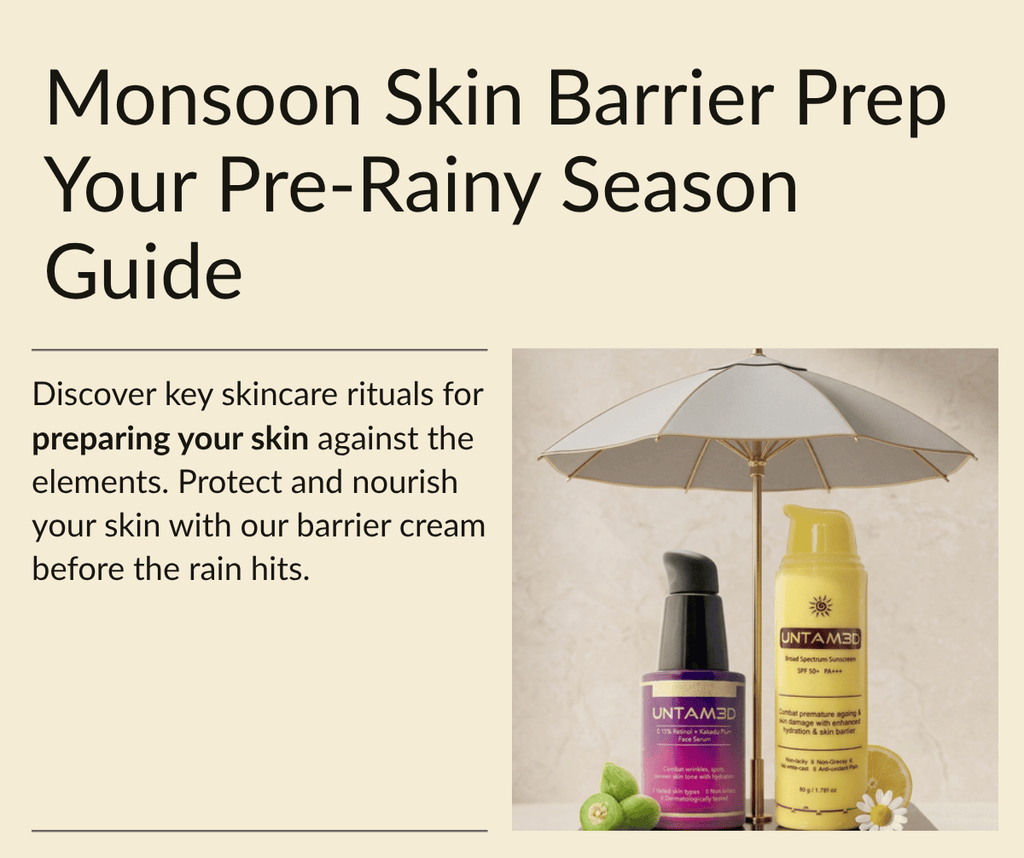
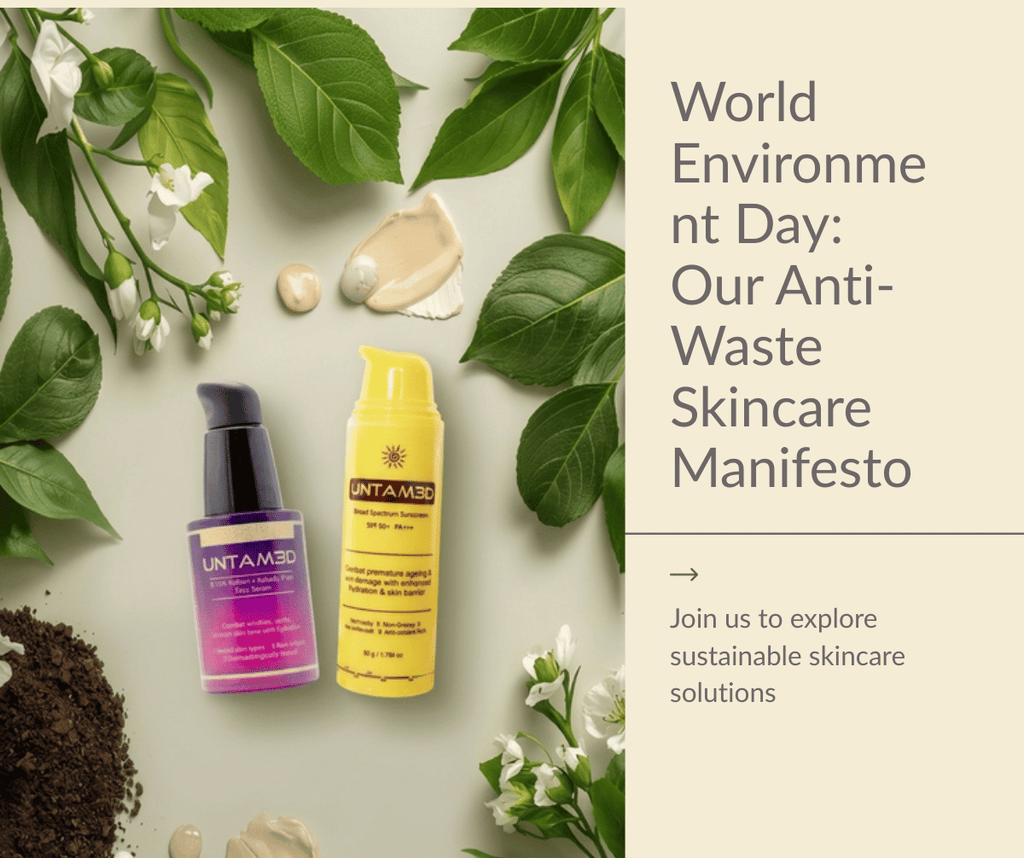
UNTAM3D's Broad Spectrum Sunscreen SPF 50+ PA+++ is specifically engineered for the diverse skin types of India's climate—including oily and combination skin common in tropical humidity. Formulated with ceramides and phospholipids for barrier support, this sunscreen delivers full broad-spectrum protection without greasiness or white cast. The lightweight, non-greasy texture means oily skin can apply full protective amounts without the discomfort that drives inconsistent or inadequate application. At ₹999, it represents the investment in sun protection that oily skin requires.
Sunscreen isn't optional for oily skin; it's foundational. The photodamage risk from chronic unprotected sun exposure exceeds any discomfort from improperly formulated sunscreen. But that discomfort is itself optional—choosing formulations optimized for oily skin eliminates the false choice between protection and comfort. Discover UNTAM3D's sunscreen, engineered for oily skin's specific needs.
Frequently Asked Questions
Q: Will any SPF 50+ sunscreen work for oily skin if I apply it correctly?
A: Application matters, but formulation matters more. A heavy, occlusive sunscreen designed for dry skin will feel congesting on oily skin regardless of application technique. Conversely, sunscreen optimized for oily skin will feel comfortable and wearable. Choosing the right formulation from the start eliminates the struggle.
Q: Can mineral sunscreen work for oily skin?
A: Yes, if formulated appropriately. Modern mineral sunscreens with advanced micronization can be lightweight and non-greasy. However, chemical sunscreens typically allow lighter, more elegant textures for oily skin. Either can work; focus on texture and formulation optimization rather than actives category.
Q: Does using sunscreen make acne worse for oily skin?
A: Poor sunscreen formulation (heavy, occlusive, without oily-skin consideration) exacerbates acne. Properly formulated sunscreen optimized for oily skin doesn't increase congestion; if anything, versions including niacinamide or antioxidants may improve acne alongside sun protection.
Q: How often should I reapply sunscreen if I have very oily skin?
A: Standard recommendation is every 2 hours of sun exposure or after water contact. For very oily skin, some dermatologists suggest reapplication every 90 minutes during intense sun exposure. Use powder sunscreens over makeup for midday reapplication rather than layering additional wet sunscreen.
Q: Can I use sunscreen under makeup if I have oily skin?
A: Yes. Allow 10-15 minutes for sunscreen to set, then apply makeup as normal. Using a primer formulated for oily skin between sunscreen and makeup can extend makeup longevity and reduce midday greasiness.
Q: What if I feel sunscreen makes my skin oilier even with proper application?
A: Switch to a different formulation optimized more specifically for oily skin, or try chemical versus mineral actives (whichever you haven't tested yet). If all sunscreens feel problematic, consult a dermatologist—sometimes perceived greasiness relates to improper moisturization with your other products, not the sunscreen itself.
Sources: Dermatological research on sunscreen formulation for oily skin; Studies on niacinamide's sebum-regulating effects; Clinical trials on UV protection and photodamage prevention; Guidelines on SPF application and reapplication for maximum efficacy; Journal of the American Academy of Dermatology research on acne and sun protection.
RECENT POSTS