Baisakhi Is Here — Is Your Skin Summer-Ready?
Baisakhi and Your Skin's New Season: Summer SPF Essentials
Published April 1, 2026 · 7 min read · By UNTAM3D
Baisakhi marks the arrival of summer across India—a season of celebration, new beginnings, and intense solar radiation. As temperatures soar and UV index peaks, your skin transitions into a new phase that demands intentional protection. The reality is straightforward: summer SPF isn't optional in India, it's foundational. SPF 50+ with PA+++ protection becomes your skin's essential shield during this season, and understanding why matters as much as applying it consistently.
India's summer sun is deceptive. The combination of latitude, altitude variations, and tropical humidity creates UV exposure levels that intensify skin damage more rapidly than many realize. The Baisakhi season—beginning mid-April—coincides with peak UV intensity before monsoons arrive. Your skin doesn't distinguish between a festival day and an ordinary Tuesday; it responds to UV radiation with oxidative stress, collagen degradation, and melanin production regardless of the calendar. The difference between adequate and inadequate SPF protection compounds over weeks. SPF 30 blocks approximately 97% of UVB rays, while SPF 50+ blocks 98%—a seemingly small difference that translates to significantly less cumulative damage over a season.
This is where UNTAM3D's philosophy intersects with seasonal reality. Rather than adopting complex 10-step routines that collapse under summer heat and humidity, summer skincare demands simplicity: a single, effective broad spectrum sunscreen becomes your season's anchor. That's the anti-routine approach—not reducing care, but redirecting focus to what actually prevents damage.
Why Indian Summers Demand SPF 50+ PA+++
SPF numbers quantify UVB protection, but they tell only half the story. PA+++ classification measures UVA protection—the deeper-penetrating radiation responsible for premature aging and skin damage. UVA doesn't cause sunburn, making it invisible to most people until sun damage appears as hyperpigmentation, fine lines, and loss of firmness. India's position between 8°N and 35°N latitude means year-round significant UVA exposure, with summer months pushing it to maximum levels.
The difference between SPF 30 and SPF 50+ becomes pronounced during summer. SPF 50+ formulations typically contain higher concentrations of UV-absorbing ingredients, providing better coverage consistency across application areas—particularly important since most people under-apply sunscreen. Both SPF 30 and SPF 50+ require reapplication every two hours regardless of their rating, but SPF 50+ provides a greater margin of protection when application is imperfect. During Baisakhi season, when outdoor celebrations extend throughout the day, this margin of protection prevents the cumulative photodamage that would otherwise manifest as uneven skin tone or accelerated aging.
Broad spectrum protection means your sunscreen addresses both UVA and UVB radiation. Without UVA blockers, even the highest SPF number leaves you vulnerable to deeper skin damage. UNTAM3D's approach combines SPF 50+ with PA+++ classification and added ingredients like ceramides and phospholipids—components that strengthen your skin barrier during summer's drying, heat-stressed conditions.
The Summer Skincare Shift: From Winter Hydration to UV Defense
Spring to summer transition triggers a necessary skincare pivot. Winter formulations emphasize occlusion and hydration; summer demands lightweight protection without thermal burden. The psychological barrier many face is the perception that summer sunscreen must feel heavy, leaving a white cast or greasy residue. This assumption contradicts modern formulation science.
Effective summer SPF can be non-greasy and leave no white cast when formulated with appropriate emollients and dispersing agents. UNTAM3D's sunscreen addresses the specific challenges of Indian summer skin: the need for broad spectrum protection, blue light defense (increasingly relevant as screen time intensifies), and a texture that doesn't exacerbate humidity-related congestion. Ceramides and phospholipids in the formula support skin barrier function—essential during summer when heat accelerates transepidermal water loss and environmental stressors multiply.
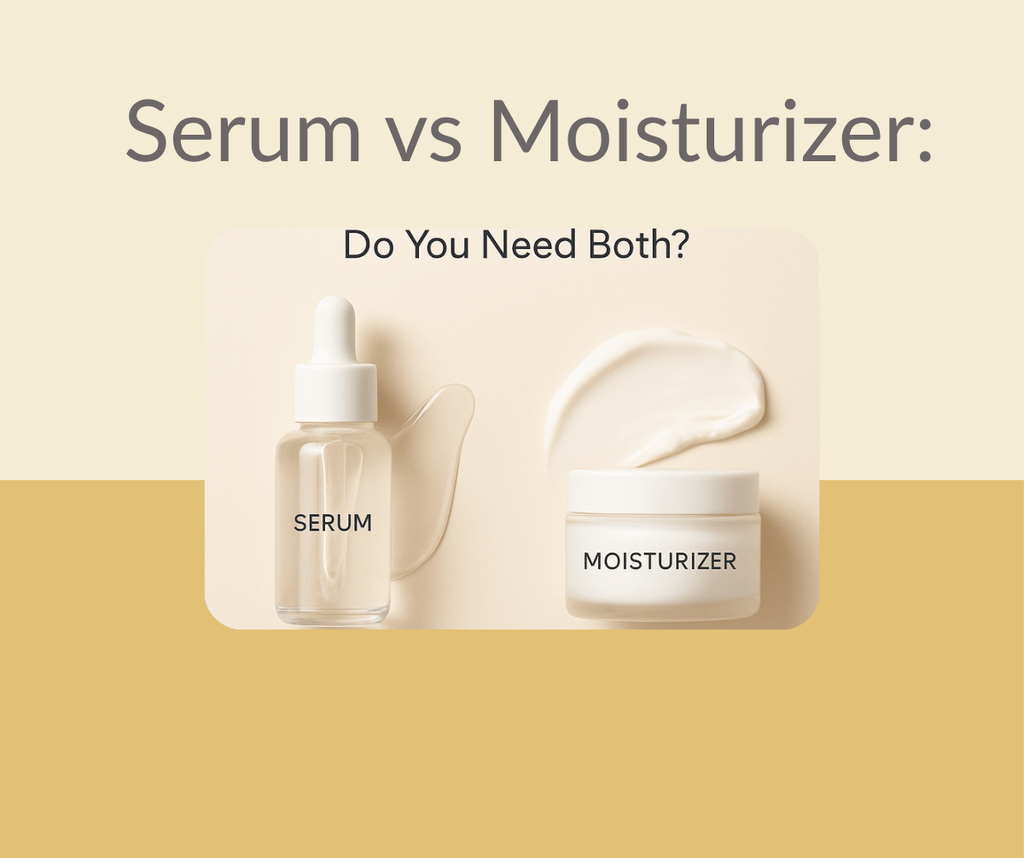
This seasonal shift doesn't mean abandoning other skincare steps. Rather, it means prioritizing UV defense as your primary intervention. Serums, moisturizers, and treatments continue to matter, but they function within a framework where sun damage prevention is non-negotiable.
Application Mastery: Getting Real Protection from SPF
SPF efficacy depends entirely on application technique. The difference between theoretical and actual protection is staggering: most people apply 25-50% of the recommended amount, reducing SPF effectiveness to levels equivalent to SPF 10-15. The recommended application is 2mg per square centimeter of skin—translating to approximately a quarter-teaspoon for the face and neck combined.
During Baisakhi season, when outdoor activities extend your sun exposure, reapplication becomes critical. Every two hours of sun exposure, or immediately after water contact, requires sunscreen reapplication. This doesn't mean layering additional product on top of existing sunscreen; it means cleansing and reapplying fresh protection. For those attending festivals or outdoor celebrations, consider sunscreen sachets or compact formats that facilitate reapplication without disrupting makeup or existing skincare.
The anti-routine philosophy applies here too. You don't need multiple sunscreen products or complex reapplication rituals. One effective broad spectrum SPF 50+ PA+++ sunscreen, applied correctly and reapplied consistently, outperforms a complex sun protection strategy applied haphazardly.
The UNTAM3D Approach
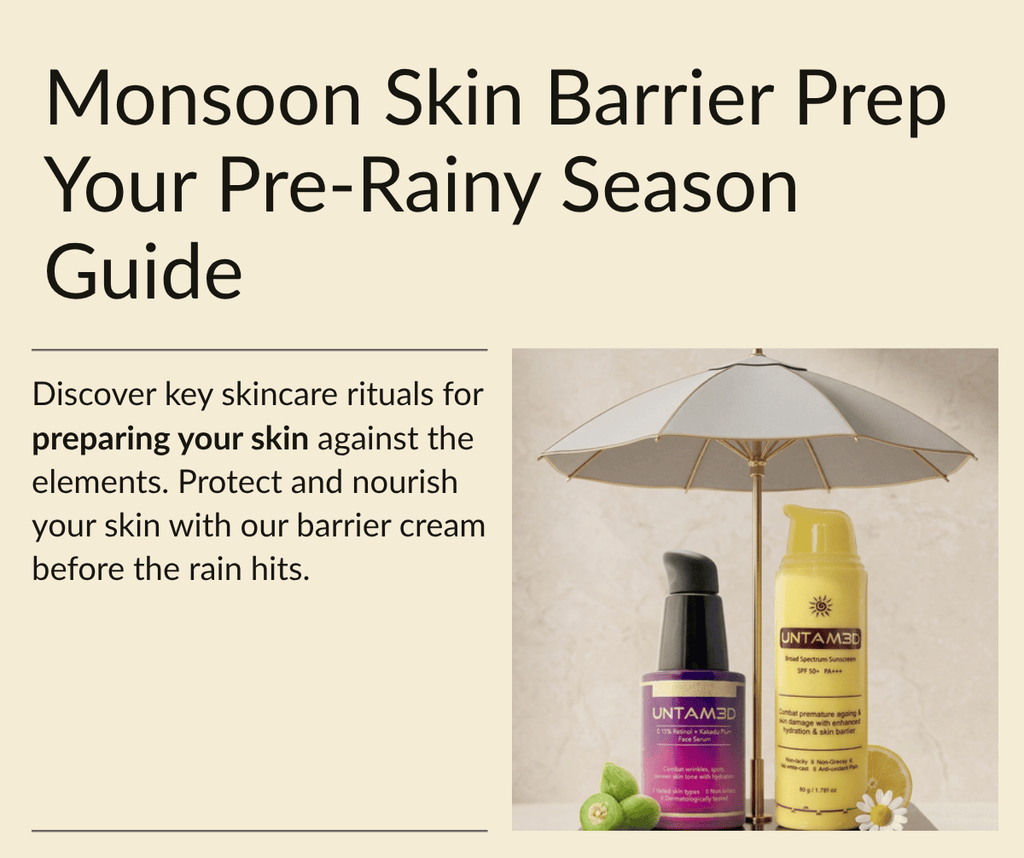
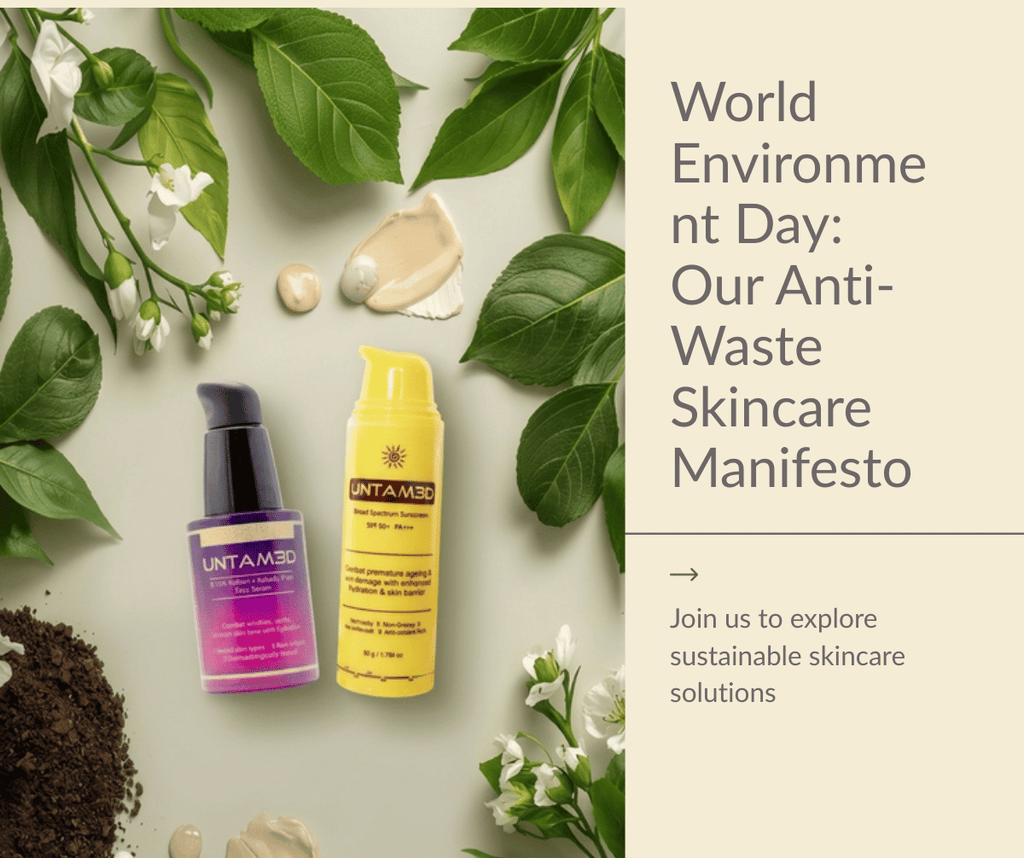
UNTAM3D's Broad Spectrum Sunscreen SPF 50+ PA+++ embodies the summer essentials philosophy: science-backed protection without unnecessary complexity. Formulated with ceramides and phospholipids to support barrier function, this sunscreen addresses the specific demands of Indian summer skin while maintaining the lightweight, non-greasy texture that makes consistent daily use realistic. At ₹999, it represents the investment your skin requires during peak UV months.
This Baisakhi season, celebrate new beginnings with a skin approach that matches UNTAM3D's core belief: better skin doesn't mean more steps. It means consistent, effective protection from the sun. Explore UNTAM3D's summer SPF essentials today.
Frequently Asked Questions
Q: Does SPF 50+ provide twice the protection of SPF 25?
A: No. SPF 25 blocks approximately 96% of UVB rays, while SPF 50+ blocks 98%. The incremental difference is small in percentage terms but significant in cumulative protection over weeks and months of sun exposure.
Q: Can I use SPF 30 if I'm mostly indoors during summer?
A: Even indoors, UVA radiation penetrates windows, and brief outdoor exposure during commutes accumulates damage. For Indian summers, SPF 50+ PA+++ provides the margin of protection that prevents visible photodamage over time.
Q: How often should I reapply sunscreen during Baisakhi festivals?
A: Reapply every two hours of cumulative outdoor exposure, or immediately after perspiration, water contact, or if you notice the sunscreen feeling dry. Festival days with extended sun exposure may require reapplication every 90 minutes.
Q: Is a non-greasy sunscreen as protective as thicker formulations?
A: Yes. Protection depends on active ingredients and concentration, not texture. Modern lightweight sunscreens with SPF 50+ PA+++ provide identical protection to heavier formulations—the texture difference is purely in user experience and wearability.
Q: Can sunscreen prevent all sun damage if applied correctly?
A: Correctly applied SPF 50+ PA+++ blocks the vast majority of damaging UV radiation, but additional protection (hats, shade during peak hours 10am-4pm) provides optimal defense. Sunscreen is foundational, not comprehensive alone.
Sources: UV Index and Sun Exposure Research, Indian Meteorological Department data; Dermatological studies on UVA/UVB penetration and cumulative photodamage; Sunscreen efficacy and application technique studies, Journal of the American Academy of Dermatology.
RECENT POSTS