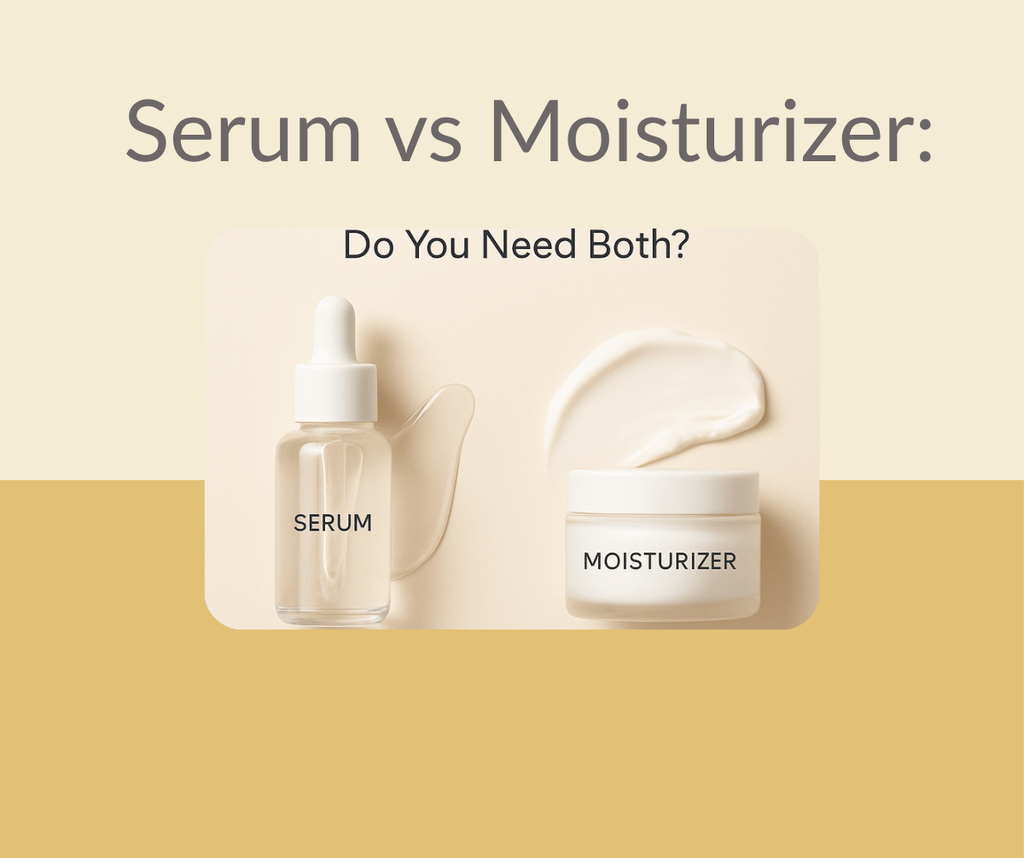
Serum vs Moisturizer: Do You Actually Need Both?
The Difference Between Serum and Moisturizer (And Why It Matters)
Serums and moisturizers serve fundamentally different purposes in skincare, and understanding the distinction transforms how effective your routine becomes. A serum is a lightweight, concentrated formula delivering active ingredients deeply into the skin, while a moisturizer seals and hydrates the skin's outer layers. The key difference lies in molecular size: serums contain smaller molecules that penetrate deeper, whereas moisturizers use larger molecules and occlusives to prevent water loss. You don't need to choose between them—most skin benefits from both, but the anti-routine philosophy means you can achieve comprehensive results with just these two, eliminating the complexity of 10-step routines. When combined strategically, a quality serum and moisturizer create a complete foundation that addresses multiple skin concerns simultaneously, from hydration to active ingredient delivery, making them the cornerstone of modern, efficient skincare.
What Exactly Is a Serum, and How Does It Work?
A serum is a concentrated treatment formulation designed to deliver potent active ingredients deep into the skin. Unlike the heavier, waxy textures of moisturizers, serums have a lightweight consistency—often gel or liquid-based—allowing them to penetrate through the skin's outermost layers and reach deeper cellular structures. The molecular weight of serums is deliberately smaller, enabling them to slip between skin cells and reach the epidermis and dermis more effectively than moisturizers can.
The power of a serum lies in its concentration of active ingredients. Serums are generally formulated with higher concentrations of active ingredients than moisturizers, which prioritize hydration and barrier protection over targeted treatment. This concentration allows serums to target specific skin concerns with precision: retinol serums address fine lines and texture, vitamin C serums brighten and protect, and botanical serums like those containing Kakadu Plum deliver antioxidant benefits. Because serums work at the cellular level, they can create measurable changes in skin texture, tone, and clarity over time.
The application method matters for serum efficacy. Applied to clean, slightly damp skin, a serum's lightweight formula allows it to absorb quickly and completely, without the barrier that a moisturizer creates. This is why dermatologists recommend applying serums before moisturizers—the serum gets its chance to penetrate before any occlusive layer seals the surface. A few drops go a long way, making serums economical despite their potency.
How Moisturizers Function Differently Than Serums
Moisturizers operate on an entirely different principle than serums. While serums penetrate and treat, moisturizers hydrate and protect. A moisturizer's primary function is to prevent transepidermal water loss (TEWL)—the process by which water evaporates from the skin's surface. This prevention happens through two mechanisms: humectants, which draw water into the skin from the air and deeper layers, and occlusives, which seal that moisture in by forming a protective barrier on the skin's surface.
The formulation of moisturizers reflects this protective function. They typically contain heavier, waxier ingredients like ceramides, natural oils, and butters that create a shield against environmental moisture loss. Moisturizers also have larger molecular structures—they're designed to sit on the skin and work there, rather than penetrate deeply. This is not a weakness; it's the entire point. Your skin loses moisture continuously throughout the day and night, and a good moisturizer prevents that loss, keeping skin plump, soft, and healthy.
Different skin types require different moisturizer formulations. Oily skin needs lighter moisturizers, often water-based, that hydrate without adding excess oil. Dry skin benefits from richer creams with higher concentrations of occlusives. Combination skin often requires two moisturizers for different areas. The serum, by contrast, often works across skin types because its targeted actives address underlying concerns rather than surface texture. This is why a single serum can work for multiple skin types, while moisturizer selection must be more individualized.
Do You Actually Need Both? The Anti-Routine Answer
The short answer is: for most people, yes, both serve important functions that the other cannot fully replace. However, the anti-routine philosophy simplifies this decision significantly. Rather than layering ten products of questionable necessity, you can build a complete regimen with two star products: a serum delivering concentrated actives and a moisturizer providing hydration and barrier protection. This two-step approach replaces the complexity of traditional skincare without sacrificing results.
If you have naturally oily skin that resists traditional moisturizers, you might experiment with a hydrating serum as your primary moisturizing step, potentially without an additional cream. However, even oily skin benefits from some barrier protection, and most dermatologists recommend at least a lightweight moisturizer. For dry, sensitive, or mature skin, both a serum and moisturizer are genuinely necessary—the serum cannot provide the barrier protection that moisturizer delivers, and the moisturizer cannot penetrate with the potency of a serum.
The anti-routine principle isn't about skincare minimalism for its own sake; it's about eliminating unnecessary steps while maximizing efficacy. Two carefully chosen products that address your specific concerns will always outperform ten random products that create confusion and inefficiency. When you invest in both a quality serum and moisturizer, you're creating a foundation that actually works, rather than a complicated routine that overwhelms both your skin and your schedule.
Layering Serums and Moisturizers: Technique Matters
The order in which you apply serums and moisturizers significantly affects their efficacy. The golden rule is lightest to heaviest: apply your serum first to clean, slightly damp skin, allow it to absorb for a minute or two, and then follow with your moisturizer. This sequence ensures your serum penetrates before any protective barrier seals the surface, while your moisturizer then locks in both the serum's benefits and your skin's natural moisture.
The damp skin principle deserves emphasis. Applying a serum to slightly damp skin—just after cleansing, before the face fully dries—allows the water to assist in penetration and helps the serum spread more evenly. This is particularly important for serums containing retinol or other actives that can cause irritation if applied too heavily. The water acts as a natural buffer, ensuring the serum works effectively without overwhelming the skin.
Quantity matters more than most people realize. For serums, 2-3 drops are typically sufficient; for moisturizers, about a half teaspoon for your entire face. More product doesn't mean better results—excess serum sits on the surface and clogs pores, while excessive moisturizer leaves skin feeling greasy. The anti-routine philosophy extends to application: use what your skin needs, nothing more. This approach also makes your products last longer, improving the economics of your skincare investment.
Skin Concerns: Which Product Addresses What?
Understanding which skin concerns each product category addresses helps you choose formulations that actually work for you. Serums excel at targeting specific, localized concerns: fine lines and wrinkles (through retinol or vitamin C), dark spots and hyperpigmentation (through vitamin C or botanical lighteners), dullness and uneven texture (through exfoliating acids or enzyme-based serums), and dehydration at the cellular level (through hyaluronic acid serums). Because serums penetrate deeply and contain high concentrations of actives, they create visible changes in these concerns over time.
Moisturizers address broader, surface-level concerns: general dehydration, loss of firmness and plumpness (which often results from poor hydration), sensitivity and irritation (through barrier-protecting ingredients), and environmental protection. A good moisturizer prevents water loss, making skin appear fuller and younger immediately, though the long-term benefits are equally significant. Moisturizers also create the canvas on which other products work—without adequate hydration and barrier function, even the best serums struggle to deliver results.
The synergy between serums and moisturizers means they amplify each other's benefits. A serum treating hyperpigmentation works better when moisture is sealed in, allowing the active ingredient time to work without interference from environmental water loss. A moisturizer protecting your skin's barrier allows a retinol serum to work at its full potential, without the irritation that occurs when the barrier is compromised. This interdependence is why choosing both, rather than one or the other, creates the most comprehensive skincare results.
The UNTAM3D Approach to Serums and Moisturizers
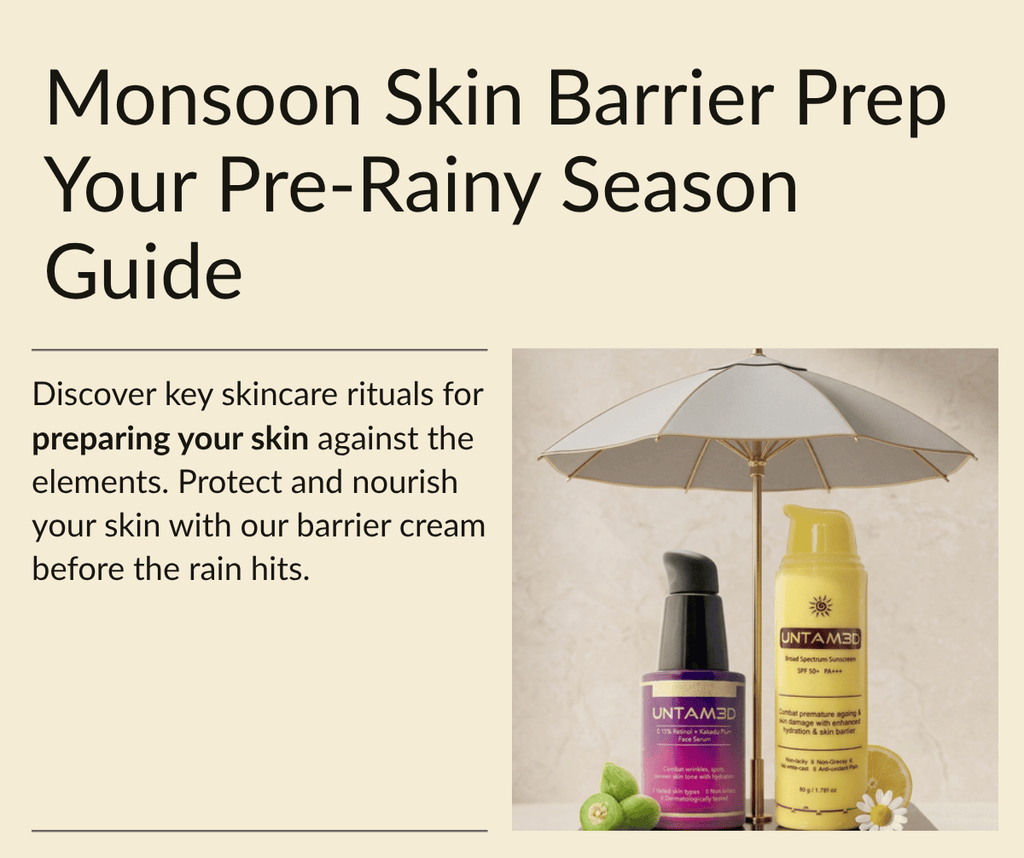
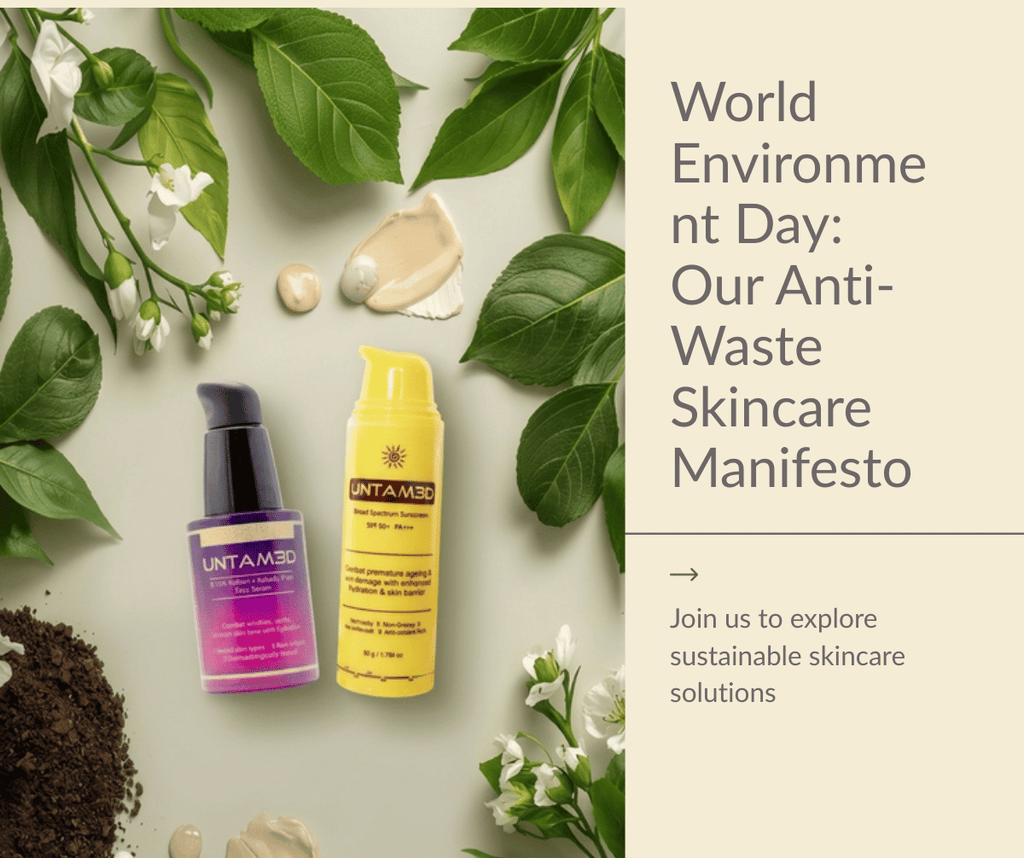
UNTAM3D embodies the anti-routine philosophy by creating a serum so potent it can serve as your complete treatment layer. The Retinol + Kakadu Plum Face Serum is dermatologically tested and formulated for varied skin types, delivering the benefits of retinol (the gold standard for anti-aging) combined with Kakadu Plum—a native Australian superfruit rich in Vitamin C—and EGCG from green tea extract. This single serum addresses multiple concerns: fine lines, brightness, antioxidant protection, and environmental damage resistance. For moisturization, pairing this serum with your existing moisturizer, or with a simple hydrating layer, completes the two-step routine that replaces far more complex regimens. The serum's proven efficacy means you're investing in results, not complexity.
How Skin Type Influences Your Serum and Moisturizer Choice
Your skin type should guide not just whether you use both a serum and moisturizer, but which formulations work best for you. Oily skin requires serums that don't add excess oil—typically gel-based serums with lightweight hydrating ingredients—and moisturizers that provide barrier protection without heaviness. Gel moisturizers, water-based creams, and even some serums can serve this function. The key is selecting products that address your oiliness without dehydrating the skin, which often worsens oil production.
Dry skin thrives with richer serums and heavier moisturizers. Oil-based serums, those containing ceramides and phospholipids, and moisturizers with higher concentrations of occlusive ingredients work best. Dry skin often has a compromised barrier, so both the serum's penetrating actives and the moisturizer's protective function become critical. Skipping either step typically results in increased tightness, flaking, and sensitivity.
Sensitive skin benefits from serums and moisturizers that focus on calming and barrier repair rather than aggressive actives. This might mean prioritizing hydrating serums over exfoliating ones, and choosing moisturizers with soothing ingredients like centella asiatica or allantoin. The anti-routine principle becomes especially valuable for sensitive skin: fewer products mean fewer potential irritants, and carefully chosen serums and moisturizers can address concerns without triggering reactions.
Frequently Asked Questions
Can I use a serum without a moisturizer?
This depends on your skin type and climate. People with very oily skin in humid environments might get away with serum alone, as their skin provides adequate natural sebum for barrier protection. However, for most people, a serum without moisturizer leaves the skin vulnerable to water loss and irritation. Even oily skin benefits from lightweight hydration to maintain barrier function. The moisturizer doesn't need to be heavy—it can be a hydrating gel or water-based formula—but some form of barrier protection matters. The anti-routine approach suggests including both rather than risking compromised skin health.
Should I apply moisturizer over serum, or can I mix them?
Always apply moisturizer over serum rather than mixing them. Mixing combines the serum's concentrated actives with the moisturizer's occlusive ingredients, which can dilute the serum's effectiveness and prevent proper penetration. The layering method—serum first, then moisturizer—ensures each product works optimally. Allow the serum to absorb (usually 1-2 minutes) before applying moisturizer. This simple sequence maximizes the benefits of both products without requiring any mixing or additional steps.
What's the difference between a serum and essence, and which should I use?
Essences are lighter than serums and often contain higher water content with fewer active ingredients. They function similarly to serums but with less potency, making them good for layering or for sensitive skin that finds serums too strong. You can use either or both, but the anti-routine philosophy suggests choosing one potent serum rather than layering multiple lighter products. If you love essences, apply them before your serum, allowing each to absorb before moving to the next step. One quality serum, however, typically delivers better results than multiple essences.
How often should I replace my serum and moisturizer?
Most serums and moisturizers last 6-12 months when stored properly in cool, dark conditions. Serums with active ingredients like retinol or vitamin C may degrade faster, especially if exposed to sunlight. You'll notice effectiveness decline when products oxidize—serums may turn brown and smell off, or lose potency. Replace products when they reach their expiration date or show signs of degradation. Rather than constantly buying new products, the anti-routine approach suggests investing in one excellent serum and one excellent moisturizer that you use consistently, replacing them as needed, rather than constantly experimenting with new formulations.
Can the same serum work for different skin types?
Yes, many serums work across skin types because they target underlying concerns rather than specific skin types. A retinol serum, for instance, benefits oily skin by addressing congestion and texture, and benefits dry skin by smoothing fine lines—the serum's function is the same regardless of skin type. However, moisturizers are more type-specific: oily skin needs different formulations than dry skin. This is another reason the anti-routine works: a single potent serum can serve everyone, while moisturizer selection remains more individualized based on your specific needs.
Sources and Further Reading
- Journal of Cosmetic Dermatology: "Efficacy of Serums in Transdermal Penetration of Actives"
- International Journal of Cosmetic Science: "Humectants and Occlusives in Moisturizer Formulations"
- Dermatology Practical & Conceptual: "Barrier Function and Transepidermal Water Loss"
- American Academy of Dermatology: Guidelines on Skincare Layering and Product Application
Ready to simplify your skincare with potent, science-backed products?
Explore UNTAM3D's Anti-RoutineRECENT POSTS